
A small herb garden can be started with just a jar of water, some cuttings, and a bright windowsill. No mess on the counter, no pots, and no potting mix.
A different interesting choice for beginners to experiment with plants is in a water-grown herb garden. You can begin cultivating fresh greenery directly on your windowsill with a clean glass or container, fresh water, adequate light, and a healthy herb cutting or stem.
Although some herbs are best grown in water for a short period of time before being transferred to soil, others can grow in water for unexpectedly lengthy periods of time. Getting an understanding of this distinction will improve your performance.
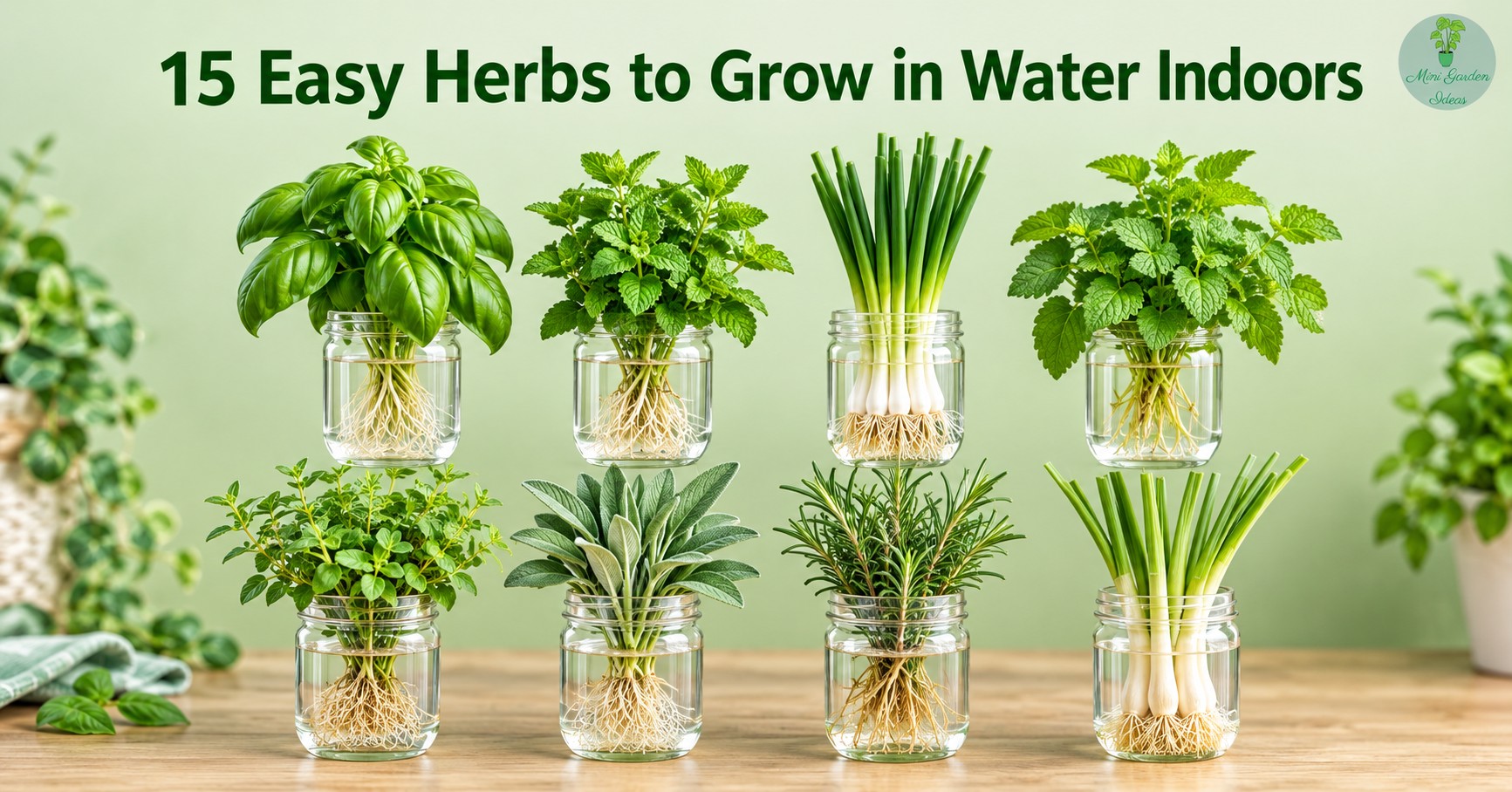
Here are 15 easy herbs to grow in water indoors, combined with easy maintenance advice and useful applications.
1. Mint
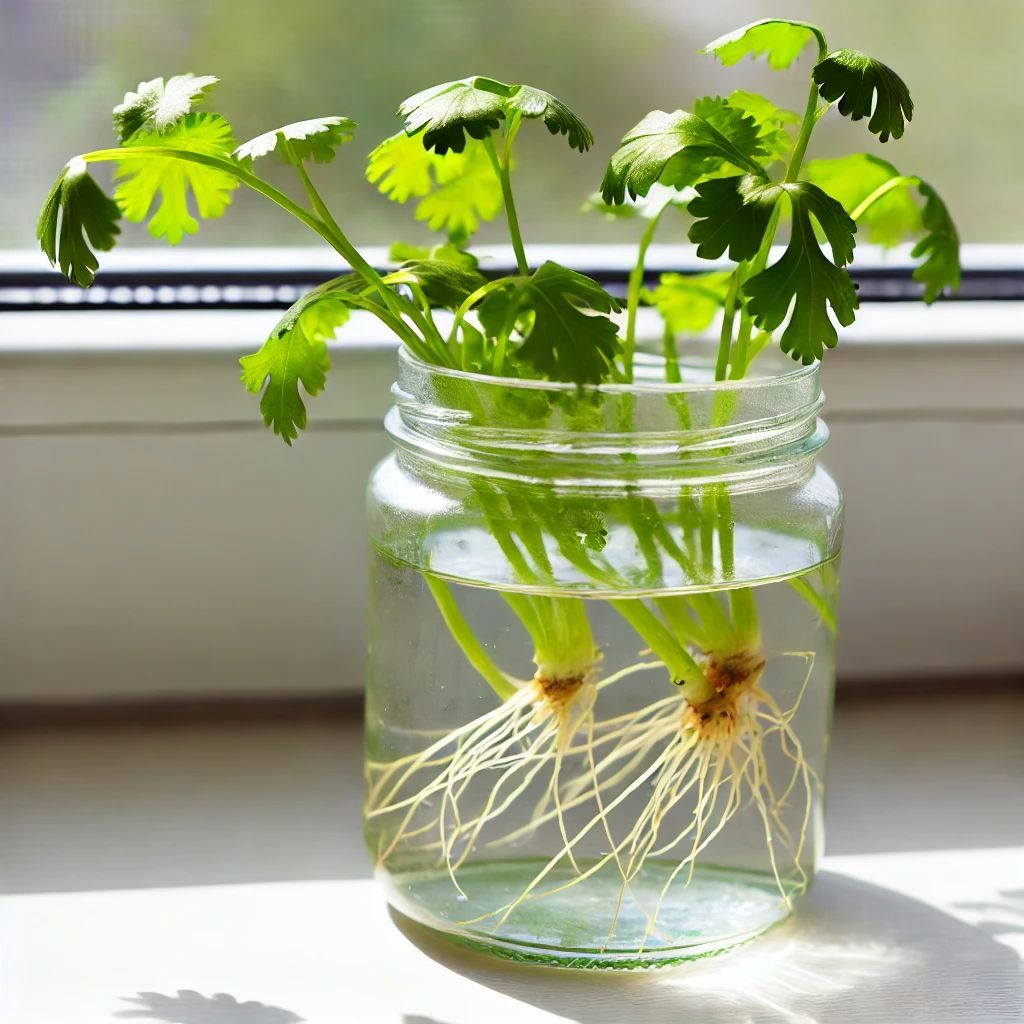
Mint is one of the simplest herbs to cultivate in water. When you place it in a glass of pure water, its tiny stems quickly form roots.
Trim the lower leaves by cutting a healthy stem just below a leaf node. Keep the leaves above the surface; submerge the stem in water. Allow each cutting enough space because mint can grow fast.
2. Basil

Another great option for a small indoor water garden is basil. If fresh basil stems are kept warm and brightly lit, they can grow roots in water rather quickly.
After removing the bottom leaves from a healthy cutting, dip the stem in water. Place the container near to a bright window and change the water on a regular basis.
3. Oregano
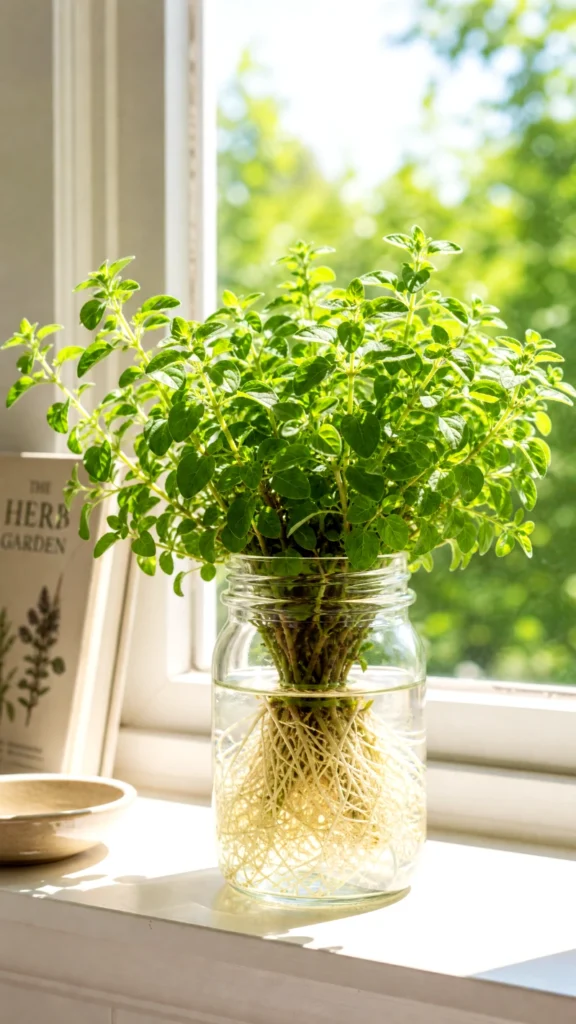
It’s stable but slower than mint or basil. Oregano can be propagated from new cuttings of stems in water. After roots emerge, you may either move the cutting into soil for a longer period or keep it growing in water for a short span.
Do not put too many stems in one small container, as this can make maintenance more difficult.
4. Rosemary

One common dining herb that can be grown from stem cuttings is rosemary. It might be an interesting addition to a water-growing project, but it takes longer to root than some softer plants.
Before putting it in water, remove the bottom foliage from a healthy, non-flowering stem.
5. Thyme
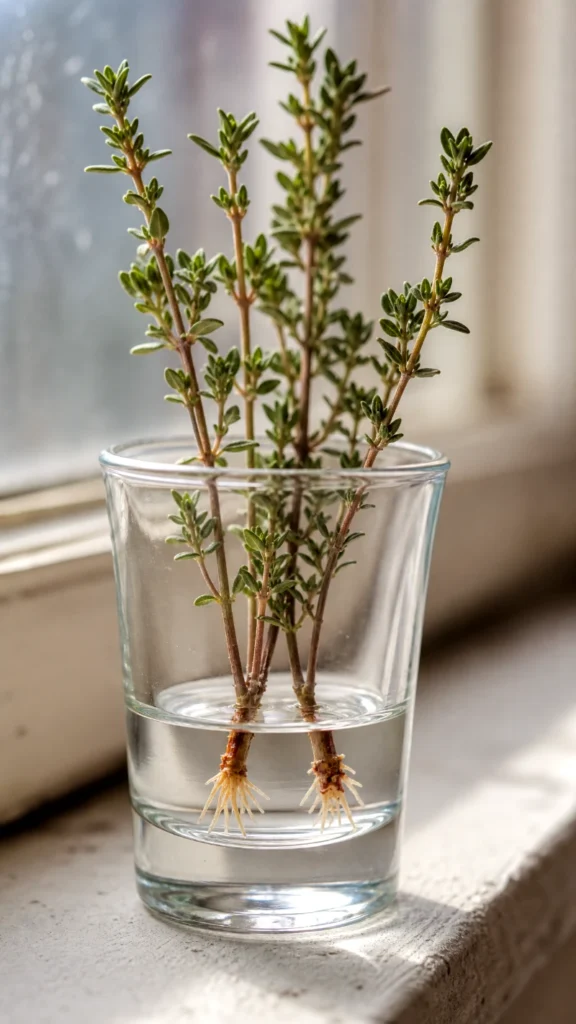
Thyme can also be cultivated from clean cuttings in water. Select young, healthy stems, then trim the leaves off the part that will be submerged.
A bright windowsill is perfect for thyme, which normally likes ample light.
6. Green Onions

One of the simplest kitchen plants to regrow in water is the green onion, often known as the scallion.
Keep the white base with the roots still attached and put it in a shallow glass with a little water in it. From the core, new green growth may appear.
Avoid fully drowning the bulb; instead, provide fresh water on a regular basis.
7. Lemon Balm

The thin stems of lemon balm can take root in water. It is a lovely herb for an indoor windowsill because of the delightful lemony scent of its fresh leaves.
To ensure the plant has enough foliage to keep growing, harvest only a few leaves at a time.
8. Sage
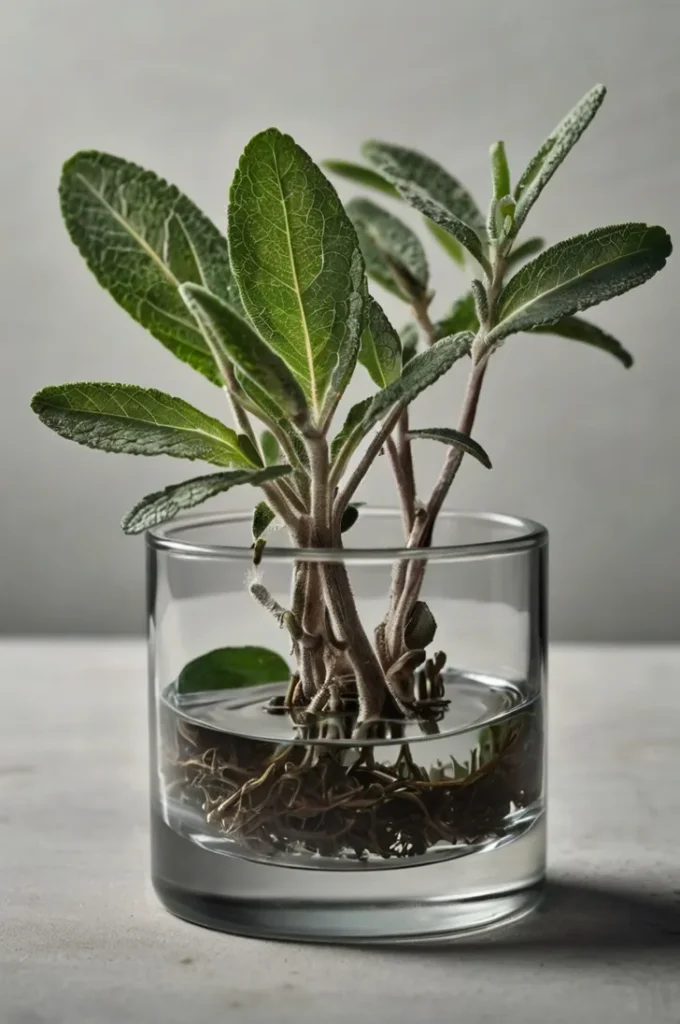
Sage can be cultivated from healthy stem cuttings that are placed in water. In general, it requires more patience than herbs that root quickly, like mint.
Switching sage to soil is typically a better alternative for long-term growth once a strong root system has developed.
9. Stevia
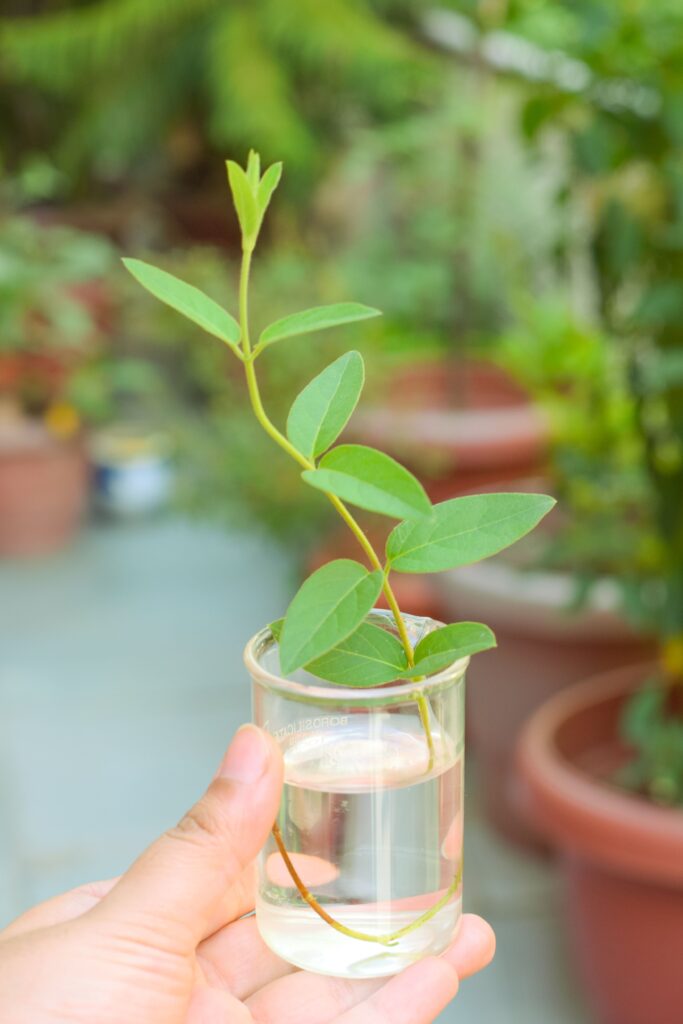
Stevia can be cultivated from healthy cuttings of stems. It can be a unique option for an indoor herb-growing experiment, even if it is not as frequently cultivated in water as mint or basil.
Make sure there is enough light, and change the water on a regular basis.
10. Chives

It is very simple to grow chives indoors. In certain situations, you can let new leaves grow by submerging the lowest part of fresh chives with roots still attached in a small container of water.
The bulk of the green vegetation should remain above the water, but the roots should be buried.
11. Lemongrass

Lemongrass is a great option for water propagation as well. When submerged in water, a healthy stem with an untouched lower end can sprout new roots.
If you want the plant to grow for a longer period of time, you can move it to a container once the roots are well set.
12. Cilantro
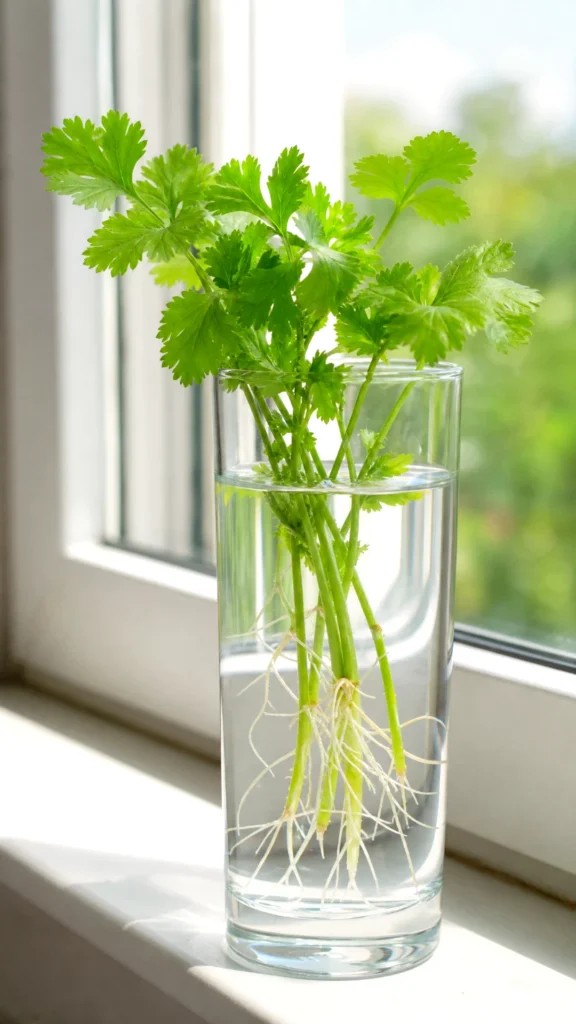
Cilantro is occasionally rooted from fresh stems, although it fails to be as reliable in water as herbs such as mint or basil.
Select new stems, keeping the leaves above the water, then submerge the lower parts of the stems.
Utilize fresh, healthy, harvested stems for optimal results.
13. Marjoram
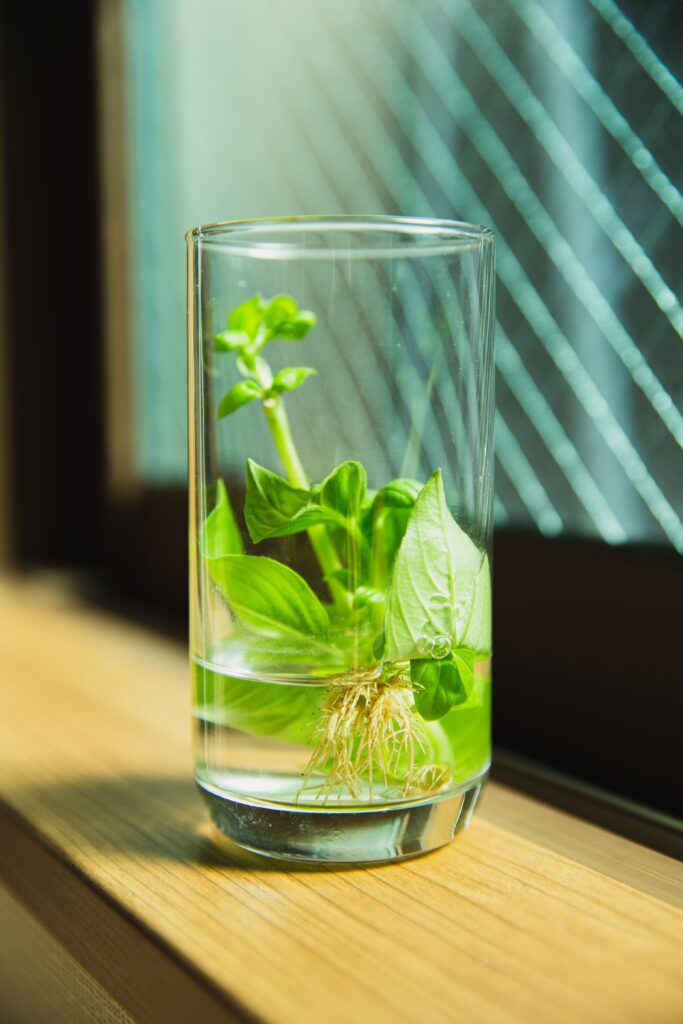
Marjoram can be grown from soft cuttings of stems. A healthy cutting’s lower part should be submerged in clean water, and the container should be placed in a light-filled area.
Once roots grow, the cutting can be shifted into soil for more significant long-term growth.
14. Tarragon
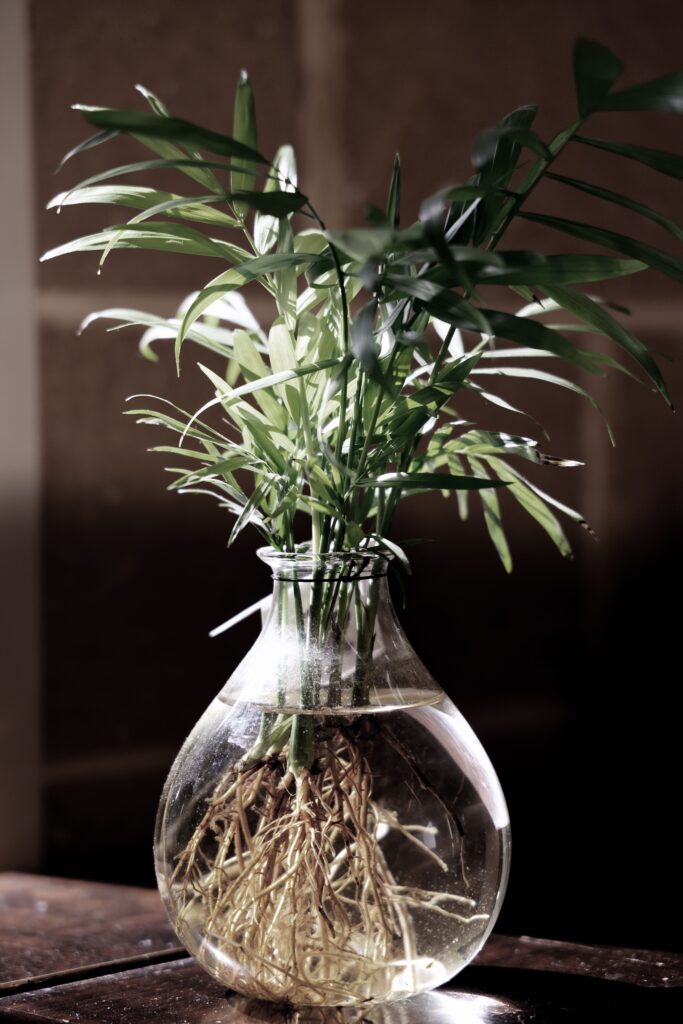
Tarragon can be grown from fresh trimmings in water. After removing the bottom leaves from a young, healthy stem, put it in a cleaned container.
In most cases, continuous water-only cultivation is not as appropriate for tarragon as growing in water.
15. Fennel

In shallow water, fennel can grow back from its bulbous base. If you have any leftover fennel from cooking, this is quite helpful.
The base should be submerged in a small amount of water and exposed to bright light. From the middle, new green growth could appear.
Once roots are established, transfer the plant into soil for further growth.
How to Maintain Herb Growth in Water
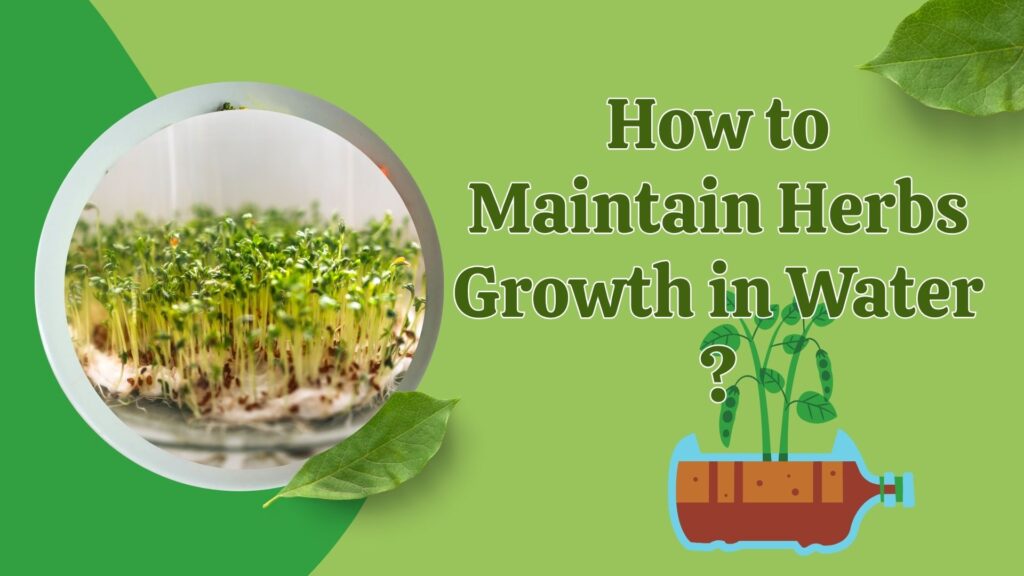
Water should be changed every three to five days. Fresh water maintains high oxygen levels and prevents the growth of organisms. If the glass appears to have slime on it, rinse the jar.
The container should be kept in bright, indirect light. A window that faces east or south is ideal. Pale, lanky stems are the result of too little light.
Trim frequently. Cutting the tops promotes bushier growth, and you can use the trimmings direct in your cooking.
Do Herbs Continue to Grow in Water?
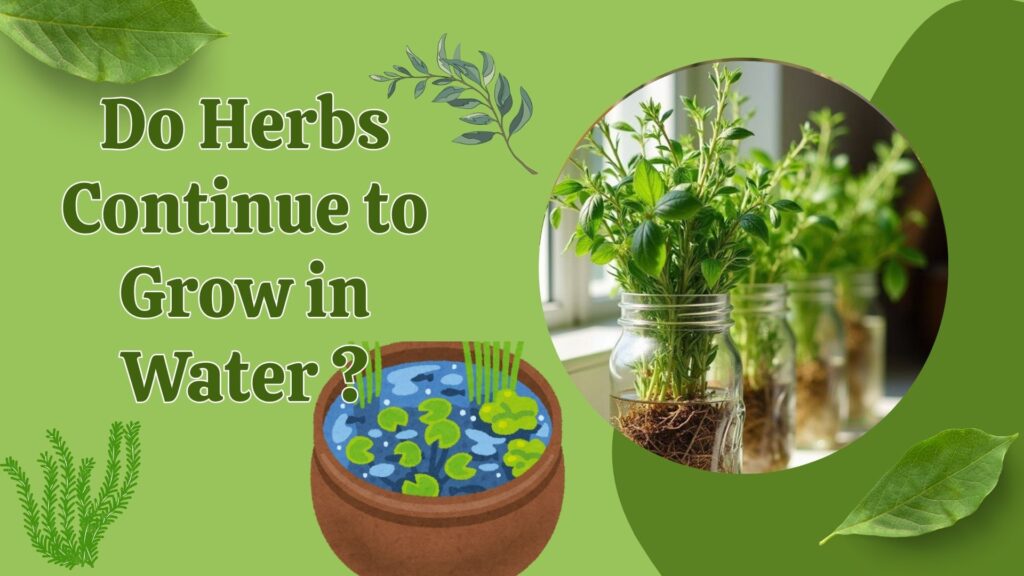
Generally speaking, no. The majority of herbs halt growing after a month or two because water lacks nutrients. Lemon balm, mint, and basil can keep growing longer, although they perform better in soil.
You have two choices once the roots are two to three inches in length:
- Maintain them in water by adding a few drops of liquid fertilizer every two weeks, diluted to about a fourth of the label strength.
- Transfer them to soil by placing the rooted cutting in a shallow container filled with potting mix. It’s a superior option for sage, oregano, thyme, and rosemary.
Where Is the Ideal Location for Herbs to Grow in Water Indoors?
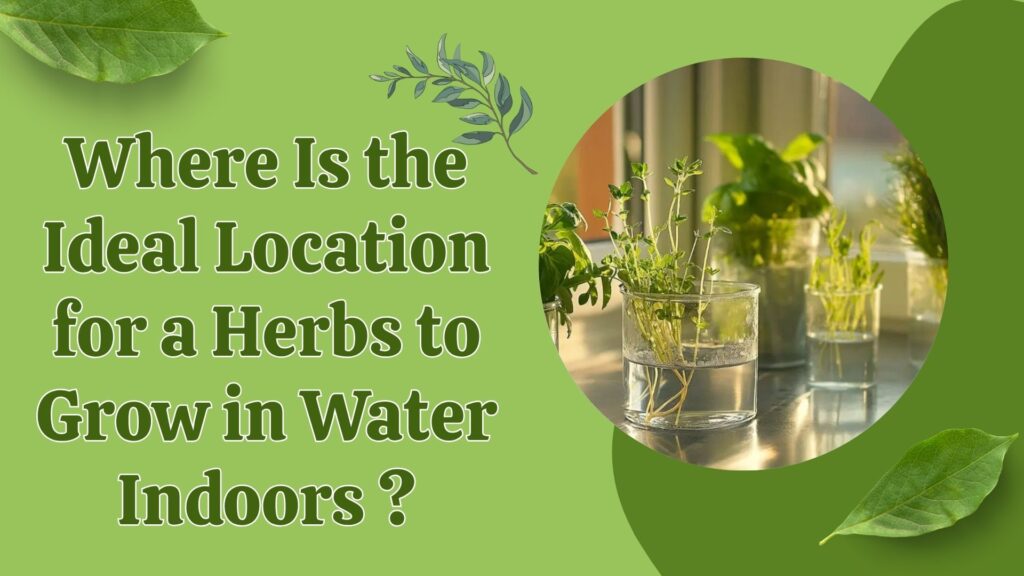
One of the best places is a bright kitchen windowsill.
In addition, you can use:
- A sunny shelf
- A well-lit countertop
- A little plant stand
- A kitchen window in an apartment
- A balcony table protected from harsh conditions
- A special shelf for indoor plants
Basic Mistakes to Avoid

If the fundamental requirements are not met, even basic water gardening can fail.
Avoid the following common mistakes:
- Putting in an excessive number of leaves
- Using an unclean container
- Leaving hazy water unaltered
- Maintaining total darkness for plants
- Packing too many cuttings together
- Utilizing unhealthy stems
- Believing that all herbs will always exist in water
- Water containers should be positioned so they can quickly topple over.
Your indoor water garden can be much more effective with some regular care.
Frequently Asked Questions

Can I use water from the tap?
In fact. If your tap water has a strong chlorine odor, let it sit in an open jar for the entire nite.
What’s causing my clippings to go slimy?
Usually, it’s germs from submerged leaves or untreated water. Refresh the water and trim the stem above the slime.
Do I need rooting hormone?
No. All of the herbs above root without it.
How much light do they need?
At least 6 hours of bright, indirect light. If your window is dim, a small LED grow light helps.
Which herb should I start with?
Basil or mint. Both root quickly, and you’ll know within a week or two if the setup is working.
Final Remarks
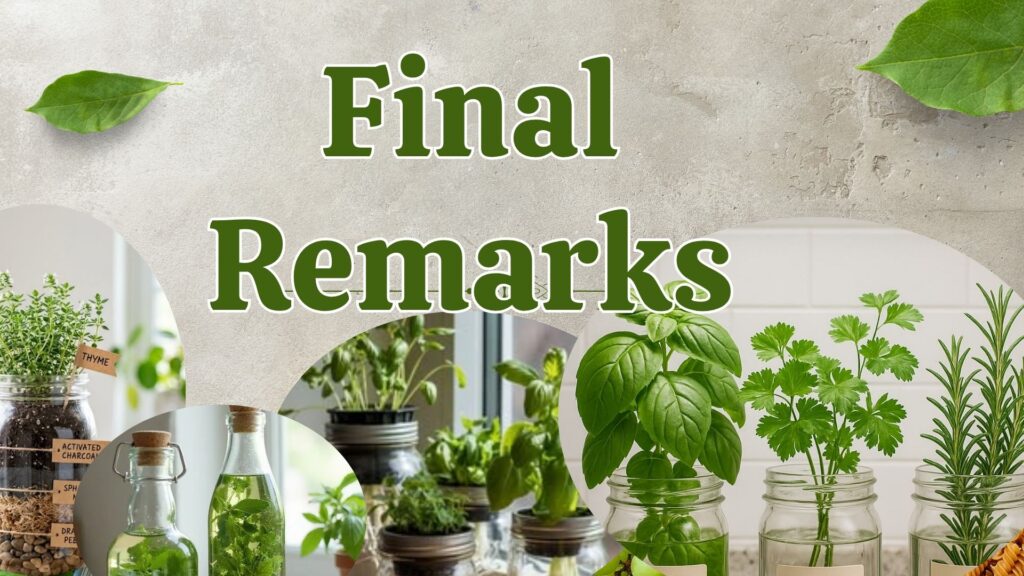
An easy and fun way to add fresh greenery to a kitchen, apartment, or other small interior space is to grow herbs in water indoors. Herbs like rosemary, sage, and tarragon can take more time to prepare, but mint, basil, green onions, lemongrass, chives, and lemon balm are some of the simplest choices for beginners.
The most important thing to remember is to realize that a herb may not always flourish without soil if it is rooted in water. For many herbs, water growing is a simple technique of propagation. When established plants require additional space and nutrients, they should be moved into soil.
With a few clean containers, clean water, suitable cuttings, and proper lighting, you can set up a simple indoor herb garden without requiring a traditional garden.