
It is not necessary to have a huge backyard or a collection of expensive tools for gardening. If you grow plants indoors, outdoors, or in containers, the correct gardening tools and accessories can greatly simplify daily plant maintenance.
Cutting and pruning tools can keep herbs and houseplants neat, a small hand trowel may help you repot a plant, and a basic watering can can make it easy to regulate how much water your plants receive. When space is limited, additional accessories like grow lights, moisture meters, plant supports, and self-watering containers can be quite helpful.
The most costly tools aren’t always the best ones. Choosing equipment that is compact, comfortable, long-lasting, and suitable for the plants you actually grow is usually preferable for small gardens.
In this guide, we will look at 25 of the best gardening tools and accessories for indoor, balcony, and container gardens, which include simple hand tools, watering supplies, accessories for handling plants, and practical items for compact places.

Why It’s Important to Use the Right Tools in Small Spaces
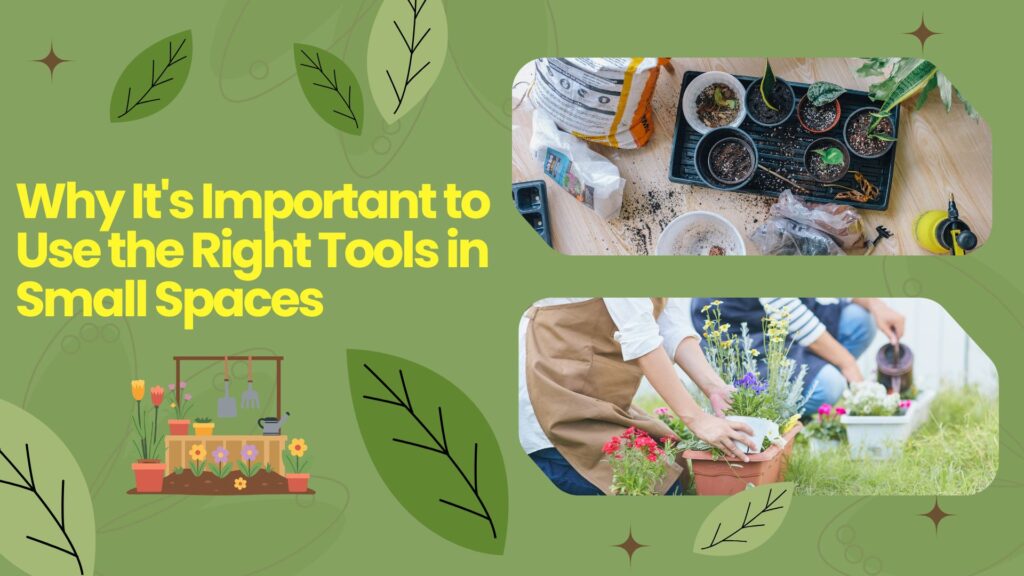
When you’re working with a balcony, a windowsill, or some pots, storage often feels as limited as the growing space itself. It’s harder to promote a tool with a single, limited use than one with multiple uses. Additionally, cleanliness is more important because everything is small. A garden bed-sized rake is difficult in a six-inch container.
Gardening could be enjoyable and less frustrating with the right tools. Good gardening tools can assist you:
- Plants are easier to relocate, and carefully cut plants
- More precise watering containers
- Remove plants from pots.
- Check the soil moisture.
- Put your gardening supplies in order.
- Maintain plants in small areas.
- Start with seeds
- Support tall or climbing plants
Instead of typical large-scale garden equipment, the list below tools & accessories tends to be compact, multipurpose, and especially suitable for indoor, balcony & container gardens:
25 Best Gardening Tools & Accessories
Hand Tools
1. Hand Trowel

The most popular container gardening tool. In small pots, a narrow, pointed trowel performs better than a large one.
2. Hand Cultivator (fork)
It can be used to remove compacted soil in a container without significantly upsetting the roots. Since you’ll be using it frequently, choose one with a comfortable grip.

3. Pruning Shears

They are required for routine plant maintenance, deadheading flowers, and pruning herbs. In a confined area, a smaller, spring-loaded pair is more manageable than full-size loppers.
4. Mini Hand Rake

Handy and useful for leveling the soil’s surface and applying top-dressings like mulch or compost without upsetting plant stems.
5. Hand Weeder

Weeds still find their way into pots, so this narrow, forked tool is helpful even in small settings for picking weeds out by the root.
6. Garden Scissors

Gardening scissors are more accurate and smaller as compared to many trimming shears. They are great for removing flowers, picking herbs, clipping tiny leaves, and making delicate cuts on indoor plants.
Watering Tools
7. Watering Can with a Narrow Nozzle

A long, narrow spout allows you to water at the soil level without spilling leaves, which is especially important in a balcony setting with lots of people.
8. Self-Watering Globes or Spikes

Glass or plastic globes that gradually release water into the ground are helpful for people who frequently travel or frequently forget to water their plants.
9. Misting Spray Bottle
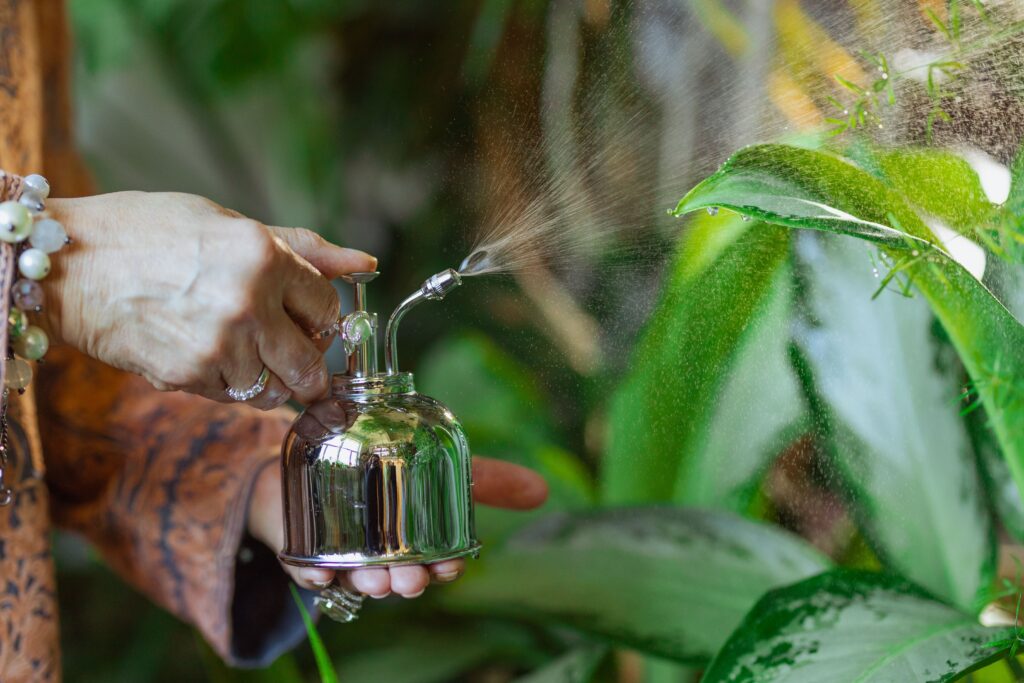
Essential for plants that prefer moisture, such as ferns and moss, and helpful for dusting indoor plants’ leaves.
10. Moisture Meter
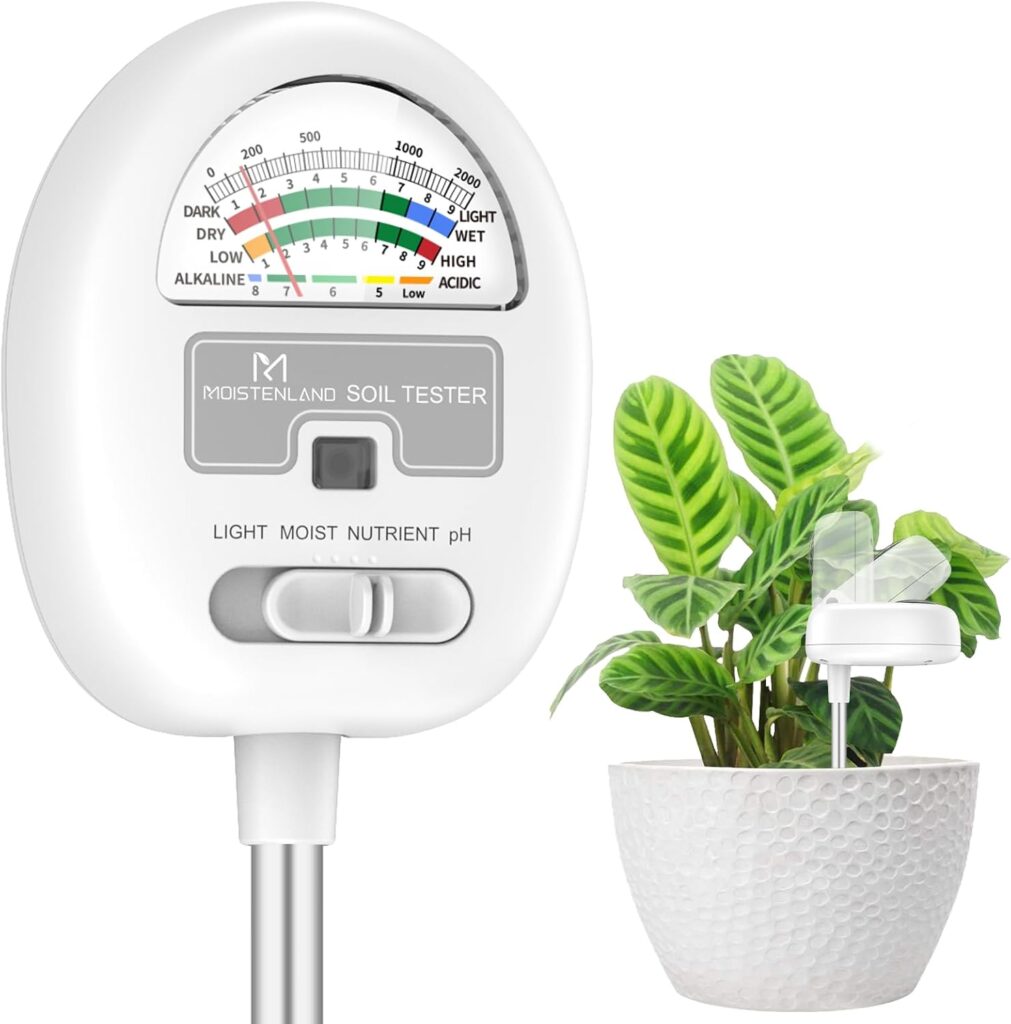
The overwatering mistake, which kills more container plants than underwatering, can be avoided with a straightforward sensor that indicates the true moisture content of the soil instead of estimating it by touch.
11. Container Drip Irrigation Kit

A timer-controlled small-scale drip system is helpful if you have multiple containers and wish to water them consistently without having to do it by hand every day.
Containers & Planters
12. Planters with Railings
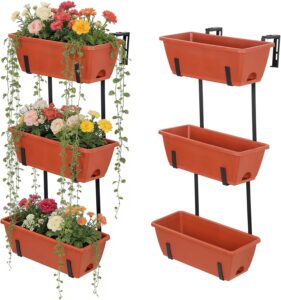
Specifically designed to utilize vertical space that would otherwise be wasted by hanging over a balcony railing.
13. Hanging Basket

A great method to add greenery without taking up any floor or table space, it works well for trailing plants like verbena or a string of pearls.
14. Fabric Grow Bags
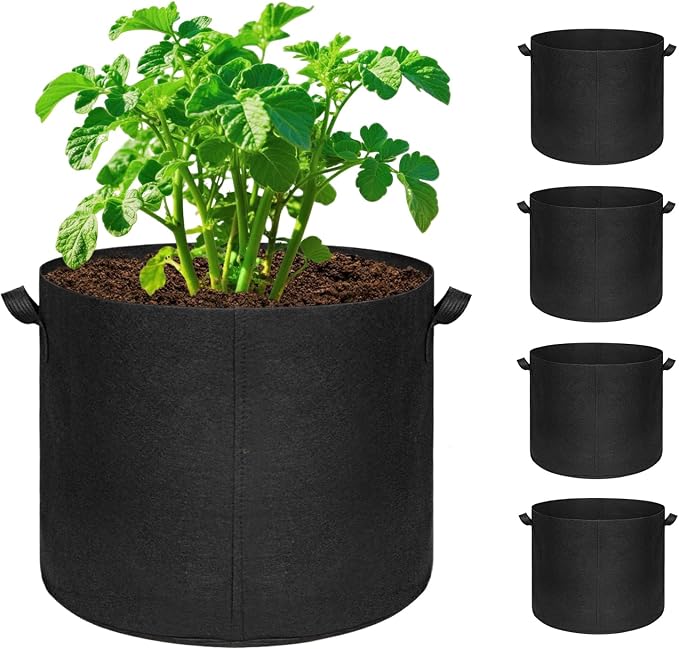
In many situations, they are lighter, more breathable, and better for root health than plastic pots. When not in use, they can also fold flat for storage, which is important in a compact space.
15. Self-Watering Pots
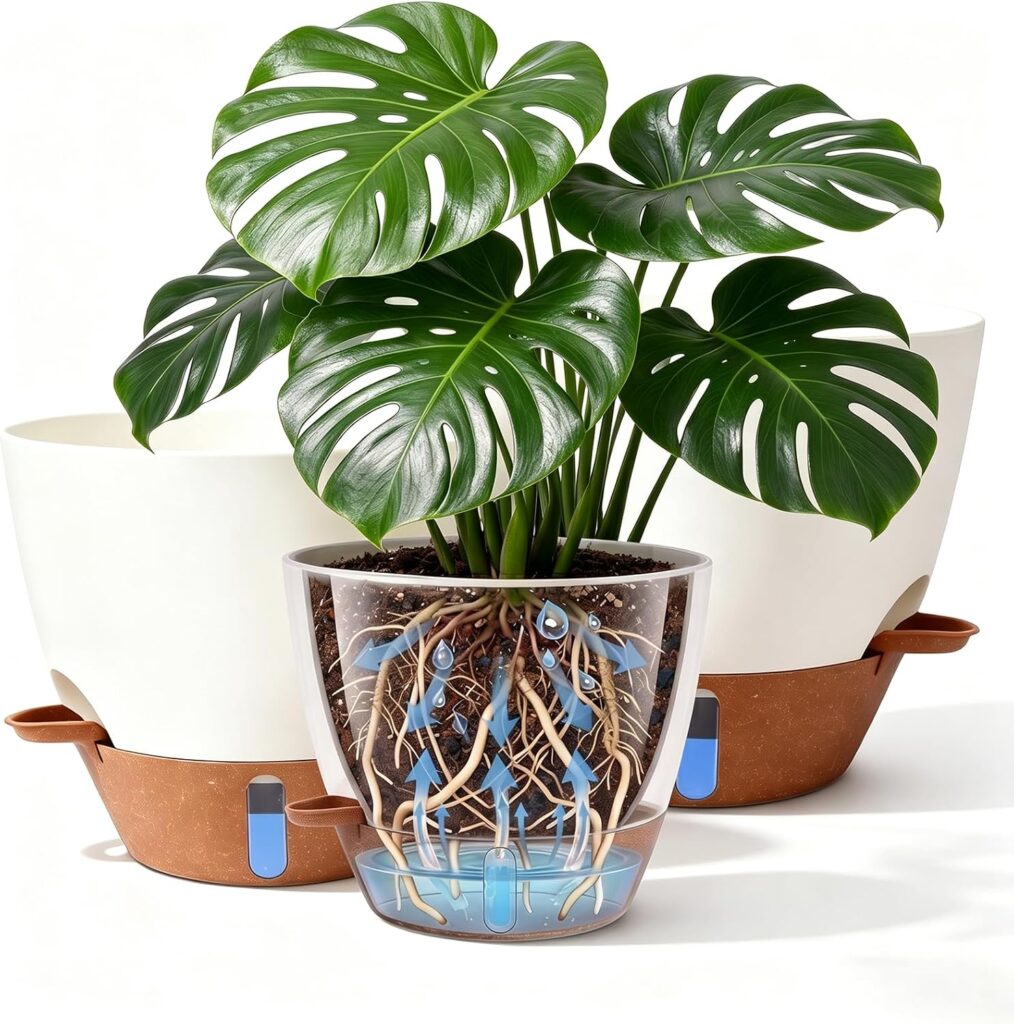
These pots include an integrated water tank at the bottom, which minimizes the frequency of checking on plants that are thirsty.
16. The System of Vertical Planters

Ideal for balconies or small patios with limited floor space, this wall-mounted or stacking system allows you to grow multiple plants in the space of one.
Soil and Feeding
17. Container-Specific Potting Mix

Ordinary garden soil compacts too much in a pot. A mixture designed for containers keeps roots healthy and drains more effectively.
18. Slow-Acting Fertilizer

Rather than having a strict feeding schedule, it allows plants to be fed gradually over several weeks, making it suitable for anyone looking for less maintenance.
19. Worm Castings or Compost

A natural method of increasing soil nutrition, particularly helpful because soil in containers depletes more quickly than soil in vegetable beds.
20. Using a Small Soil Scoop

instead of pouring straight from a bag, it makes filling and topping off containers less untidy.
Support & Structure
21. Mini Trellis

Gives climbing plants like cucumbers or passionflower something to grow up rather than sprawl, saving valuable floor space.
22. Plant Stakes

Support taller or top-heavy plants like tomatoes or dwarf citrus so they don’t tip in wind on an exposed balcony.
23. Railing Hooks or Brackets

Hardware that lets you hang planters or baskets securely from a railing without damaging it.
Storage & Organization
24. Tool Rack on the Wall

Keeps hand tools organized and off surfaces, which is especially important in compact areas with little counter or shelf space.
25. Mini Toolbox

Every time you water or prune, you won’t have to search through a drawer thanks to a compact tote or bucket organizer that keeps your most important hand tools together.
How to Pick Tools in a Small Area

Whenever possible, choose multipurpose items over single-use ones. A good pair of pruning shears can handle most cutting jobs a specialized tool would otherwise cover. Storage is often as restricted as growing space, so look for foldable or stackable choices, especially for items you don’t use every day.
No need to buy the full kit at once . Start with the essentials (trowel, watering can, pruning shears, container-specific soil) and only add specialized tools after you are certain of what your particular plants require.
How to Maintain Cleanliness in Gardening Tools
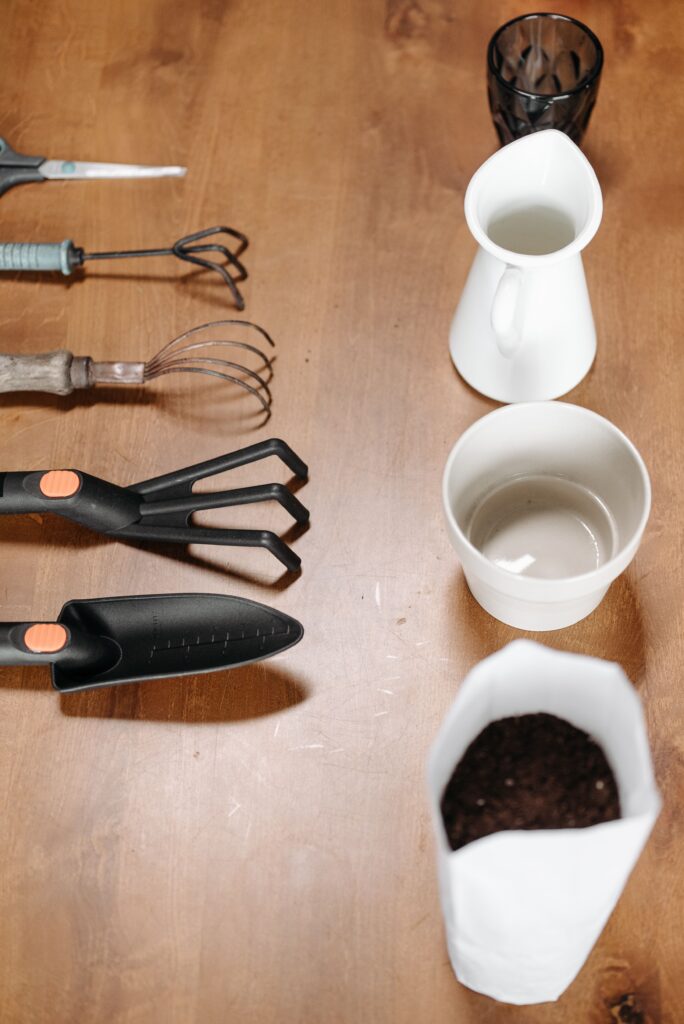
You can keep your tools in better shape by cleaning them on a regular basis.
Clean soil and plant debris after using pruning scissors or shears. Before storing, thoroughly clean and dry the blades.
After using hand tools, remove any leftover dirt and let them dry before storing them.
Additionally, clean instruments are less likely to move undesired waste between plants and are more enjoyable to use.
Frequently Asked Questions

What tools are genuinely necessary for beginners to get started?
Almost everything a beginner’s container gardener needs is a hand trowel, a narrow-spout watering can, pruning scissors, and a bag of potting mix made specifically for containers.
All other items can be added, as this list will be added as the collection grow.
Can you plant in a small area without purchasing any equipment?
Yes, to a certain degree. A spoon for scraping soil or a reused bottle for watering are common starting points. However, a proper trowel and watering can make the process considerably less frustrating and are inexpensive enough to be worth the small investment early on.
What is an excellent, reasonably priced beginner kit?
Look for a basic hand tool set that includes a bag of potting mix, a basic watering container, and a trowel, cultivator, and weeder. It avoids the need to purchase each item separately by covering basic needs.
Do I require different tools for balcony plants and for indoor plants?
While balcony setups benefit more from railing planters, hooks, and trellises for climbing plants, indoor plants benefit more from a misting spray bottle and moisture meter. For the most part, the same equipment works for both.
Concluding Remarks

you are not required to have a shed full of equipment for grow garden and plants successfully in a small space; rather, you just need a few tools that are suitable for your growing style and location. To ensure that your tool collection doesn’t end up taking up more space than your plants, start with the essentials, add specialty things as certain plants require them, and consider storage as you go.
Looking for more small-space growing guidance? Check out our guides on balcony flower garden ideas and indoor garden ideas for small spaces for more ways to make the most of a tight space.