
An easy way to add fresh flavor, fragrance, and greenery to your house is to grow fresh herbs indoors. Enjoying your own herbs doesn’t require a huge garden. A productive indoor herb garden can be set up on a sunny windowsill, kitchen counter, balcony door, or small plant shelf.
Many popular herbs for cooking may grow well in containers, making indoor herbs particularly helpful for beginners and apartment residents. In addition to offering naturally occurring nutrients and advantageous plant chemicals, fresh herbs can enhance the flavor of regular meals. Herbs should not be used as a substitute for medical care, but rather as a component of a well-balanced diet.
There are several ways to create a useful indoor herb garden, ranging from rosemary and thyme to basil and mint. In this guide, you will discover the 20 best indoor herbs to grow for cooking and wellness, along with information on their use, light requirements, and proper care.

Why Grow Herbs for Both Cooking and Wellness?

Many times, a single herb has multiple uses. In addition to adding taste to food, mint tea relieves upset stomachs. Rosemary has a strong folk tradition associated with memory and concentration, and it flavors a roast. Growing with both purposes in mind results in fewer separate purchases and a little garden that is actually functional rather than only decoration.
It also results in reduced waste. You don’t have to discard the remaining leaves if a recipe just calls for a few. Instead, it can be added directly to a tea, rinse, or homemade infusion.
Kitchen Essentials You Should Grow Indoors
1. Basil
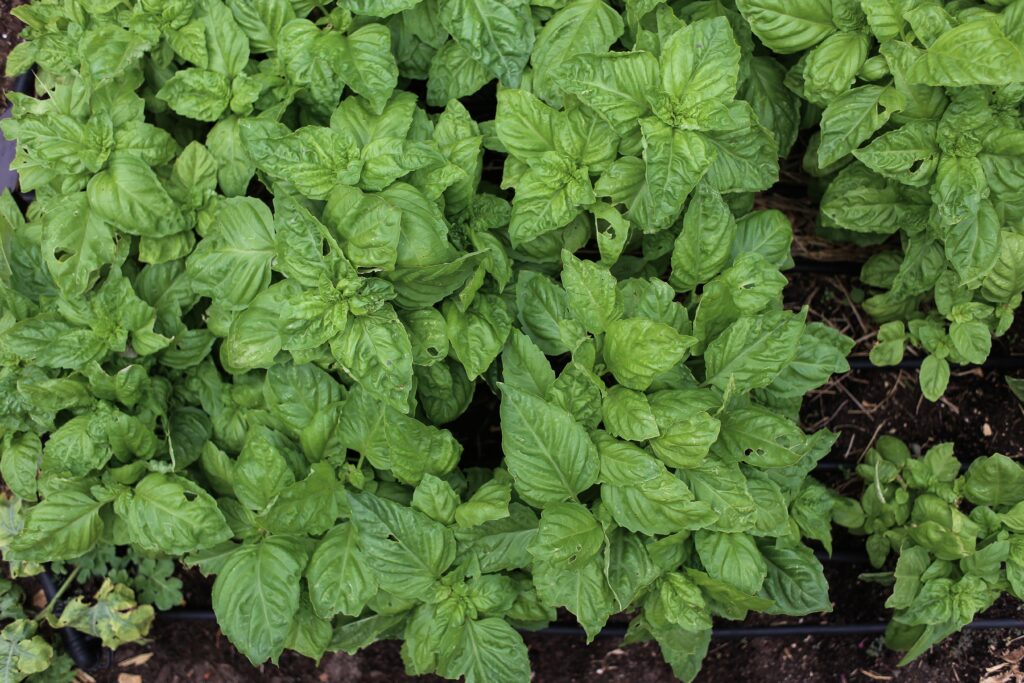
There’s a reason it’s the most popular cooking herb, and it’s really simple to use indoors with six or more hours of light. Outside of the kitchen, some individuals drink basil tea as a relaxing, pleasant way to unwind in the evening.
2. Mint
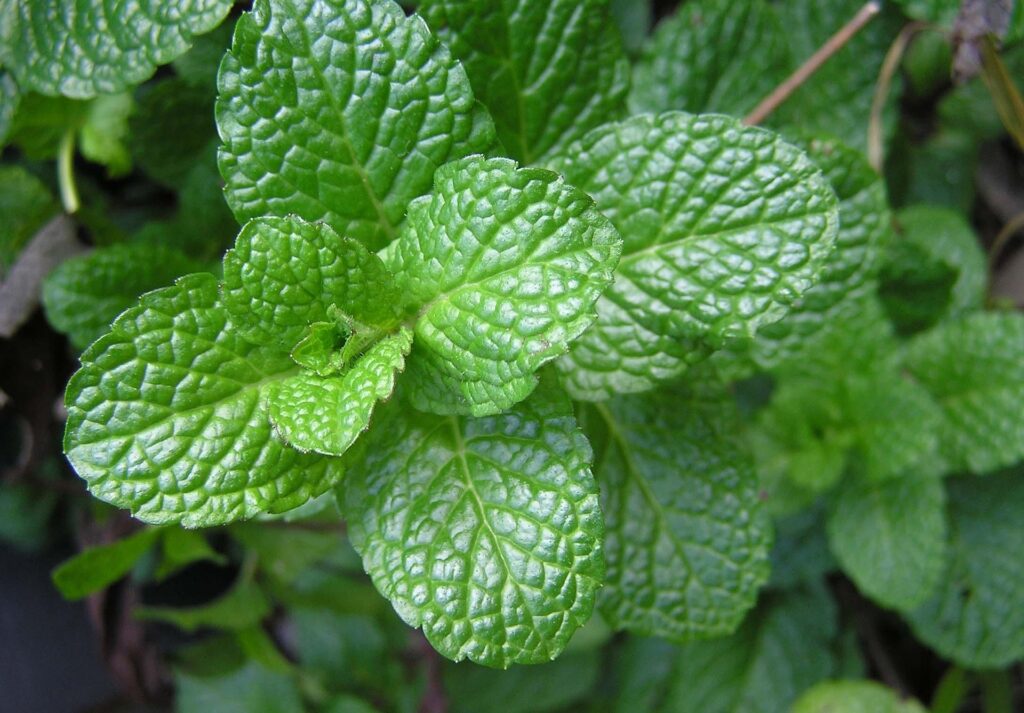
Really simple to grow, to the point that if you’re not careful, it might take over a container. One of the most popular home cures for upset stomachs is mint tea, and the plant itself is almost impossible to accidentally harm.
3. Rosemary

It prefers to dry out in between waterings and requires intense light. In addition to adding flavor to roasted meats and vegetables, rosemary has long been associated with mental sharpness and alertness in traditional medicine. Its aroma alone is frequently utilized in aromatherapy blends.
4. Thyme
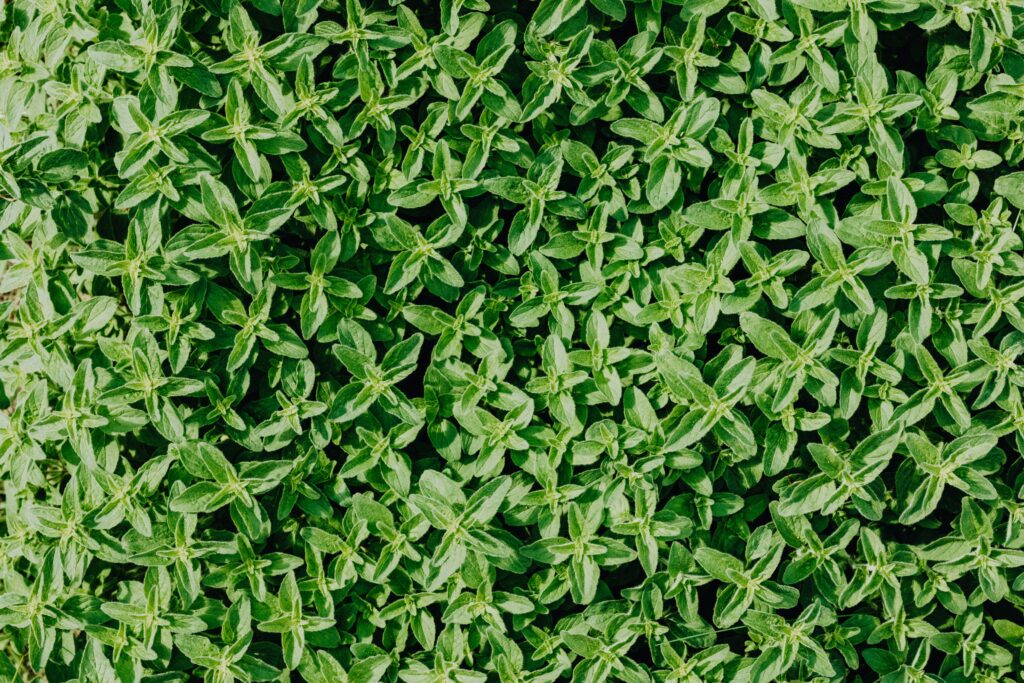
Small, drought-resistant, and contained in a tiny container. In addition to its frequent usage in cooking, thyme’s inherent antibacterial qualities can be found in several homemade throat treatments and honey infusions.
5. Sage
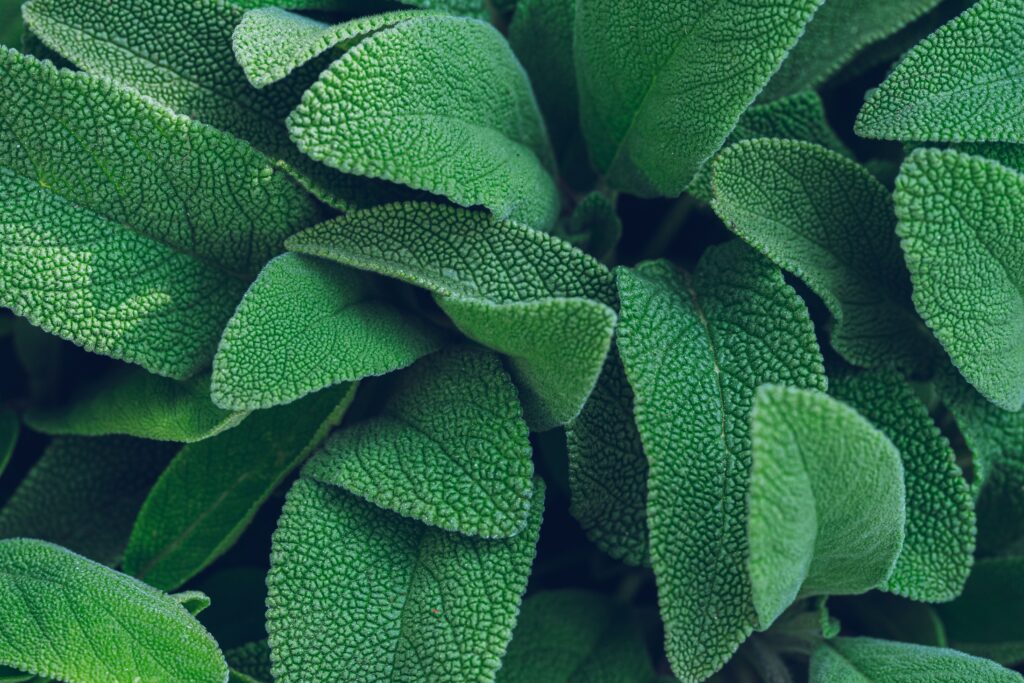
Compared to mint or basil, it grows more slowly, but it’s worth the effort. In herbal tradition, sage has long been used to relieve sore throats. It is frequently brewed as a tea in addition to its more popular use as a flavoring for stuffings and roasted foods.
6. Fennel
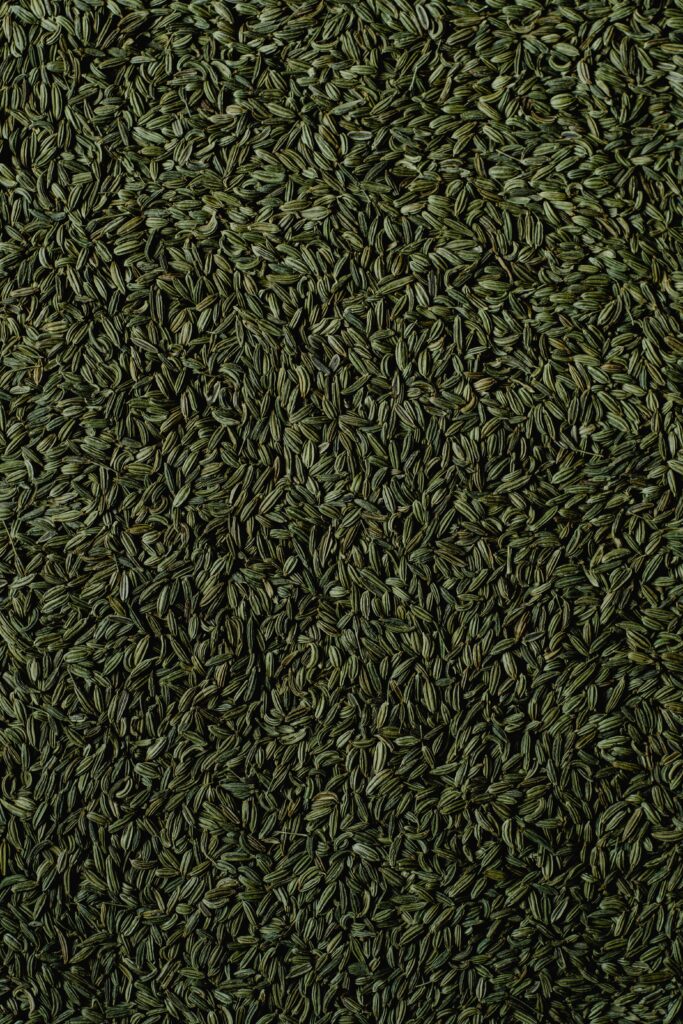
Fennel is used in cooking and as a traditional after-meal beverage to help with digestion. It is grown for its feathery fronds and slightly licorice-flavored seeds. Although it grows well indoors in strong light, it requires a deep container since it has a long taproot.
7. Marjoram
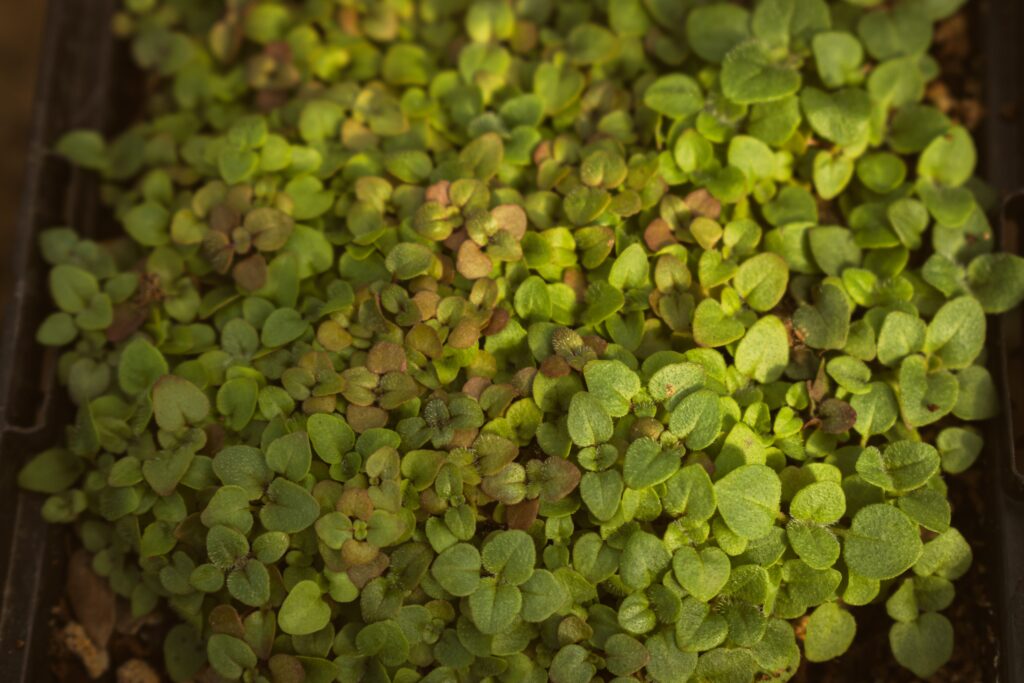
Marjoram, a milder and sweeter relative of oregano, is frequently used in Mediterranean cuisine and has long been used as a soothing tea, frequently combined with lemon balm or chamomile.
8. Lemongrass

Adds a zesty, bright flavor to food, particularly in Southeast Asian cuisine. It can also be steeped as a traditional tea that relieves fever and minor stomach trouble. Give it a deep, strong pot with lots of light because it grows tall.
Herbs for Calm and Wellness
9. Lavender
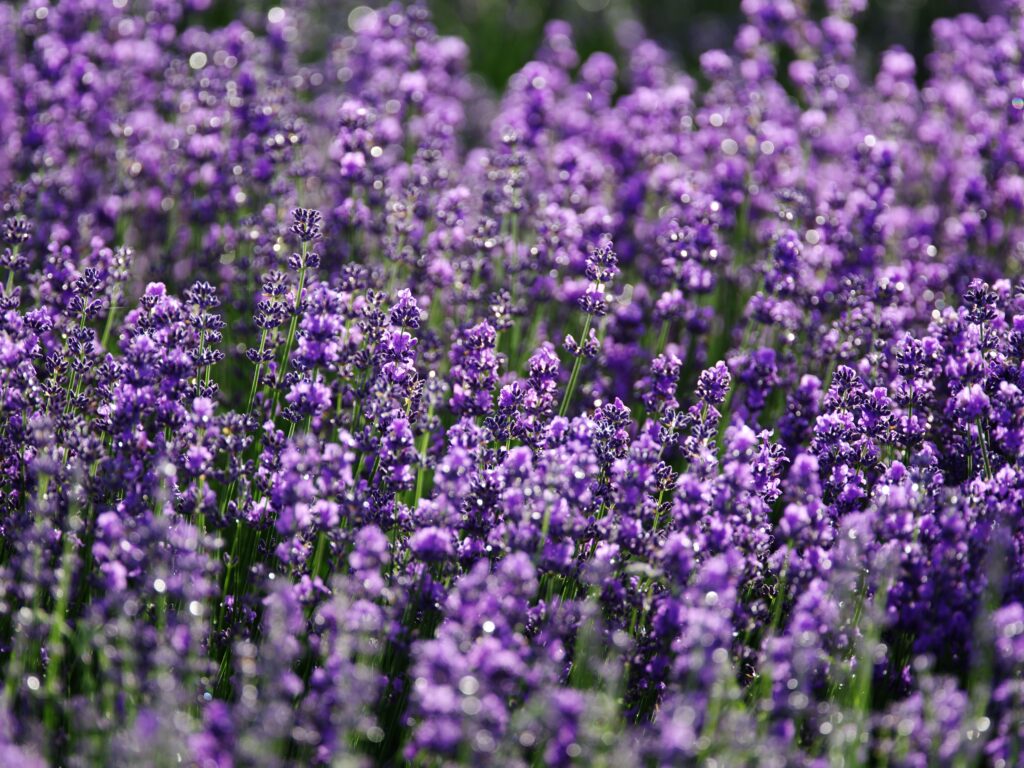
Although a small amount can be used in baking, it is more well-known for its aroma than its taste. The main reason lavender is grown is for its soothing fragrance. It is frequently dried and used in sachets or added to tea blends that are intended to help people relax before bed.
10. Chamomile
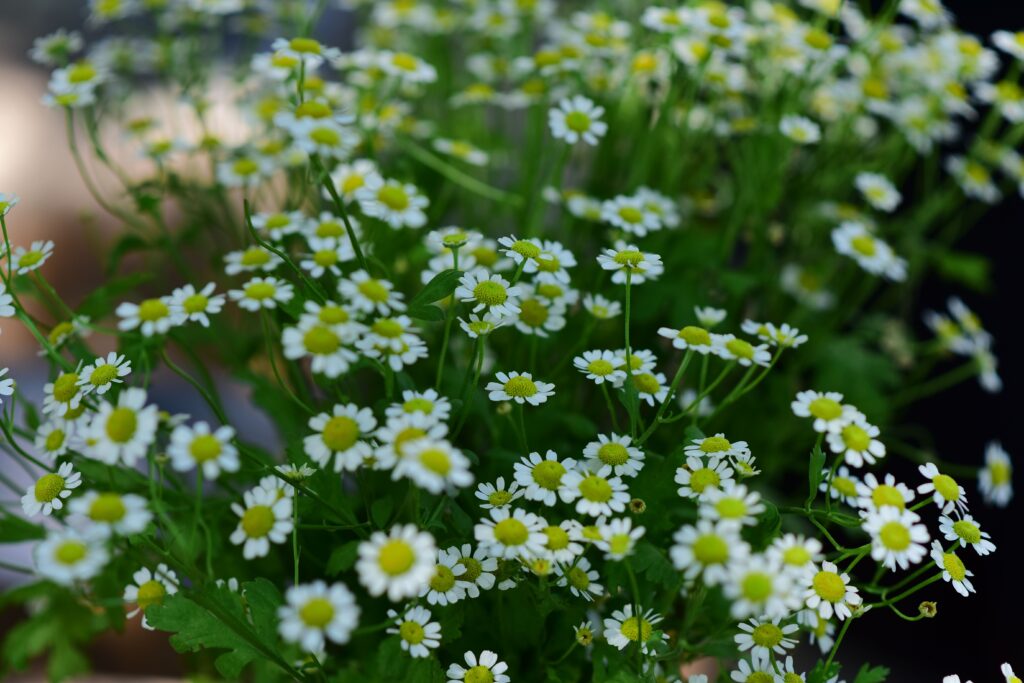
One of the most well-known soothing herbs, it is typically planted for its tiny, daisy-like flowers rather than its leaves. The plant itself thrives in a bright container with consistent watering, and dried chamomile flowers make a popular, gentle nighttime drink.
11. Lemon Balm
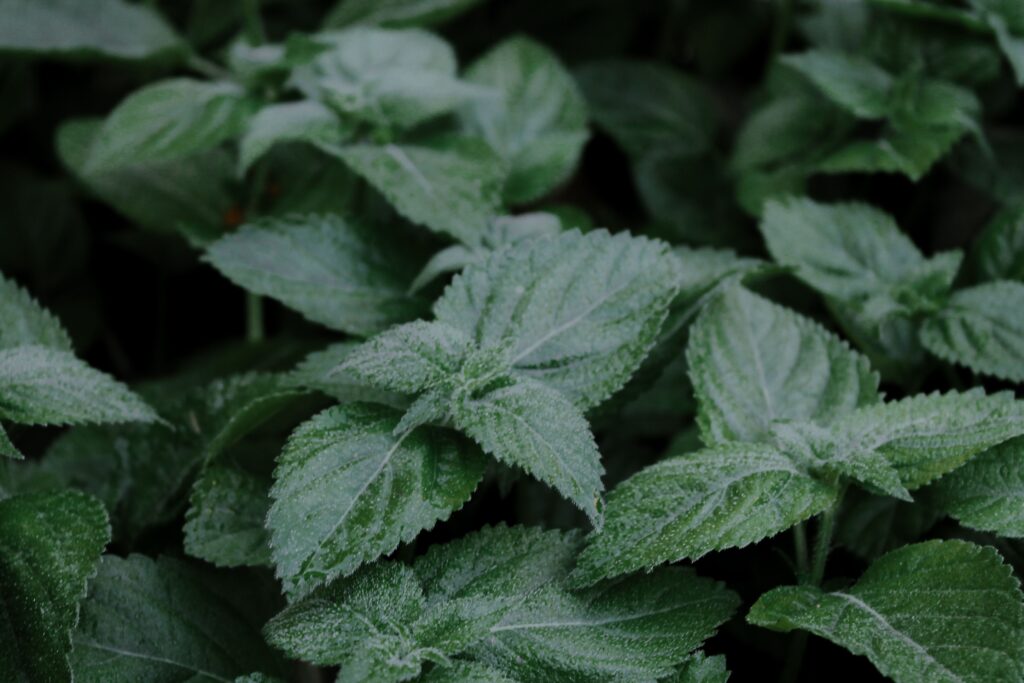
A mild, citrus-like member of the mint family. Similar to conventional mint, the plant spreads easily once planted, making lemon balm tea a popular option for those seeking something soothing without caffeine.
12. holy basil
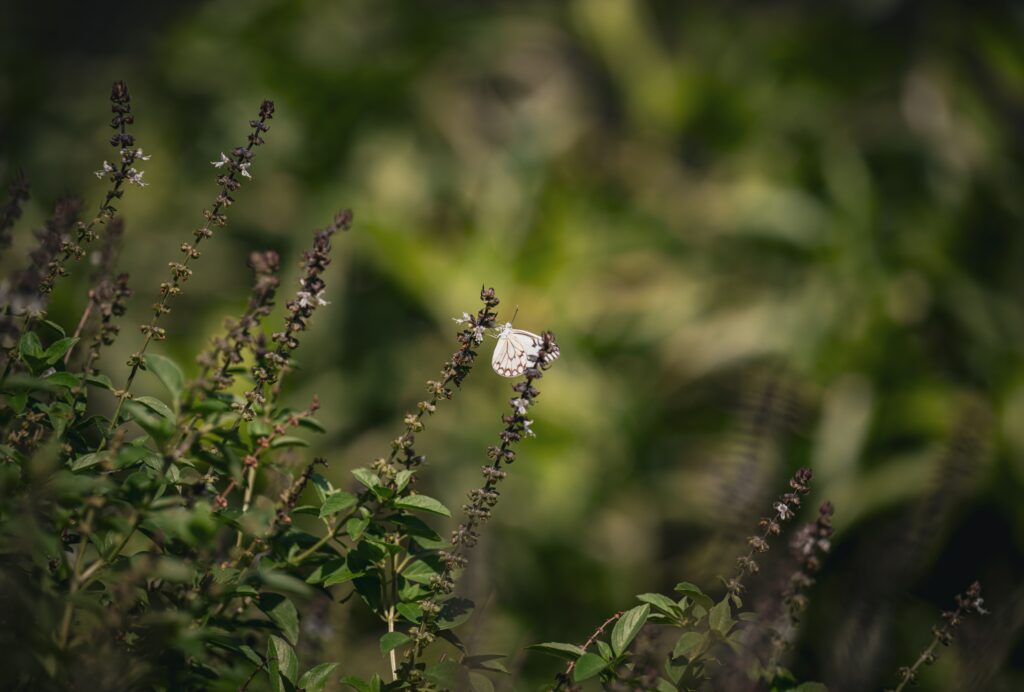
Unlike culinary basil, holy basil is grown mostly for tea and traditional wellness rather than cooking. It has been a key component of Ayurvedic medicine for generations and thrives inside with steady light and warmth.
13.Peppermint
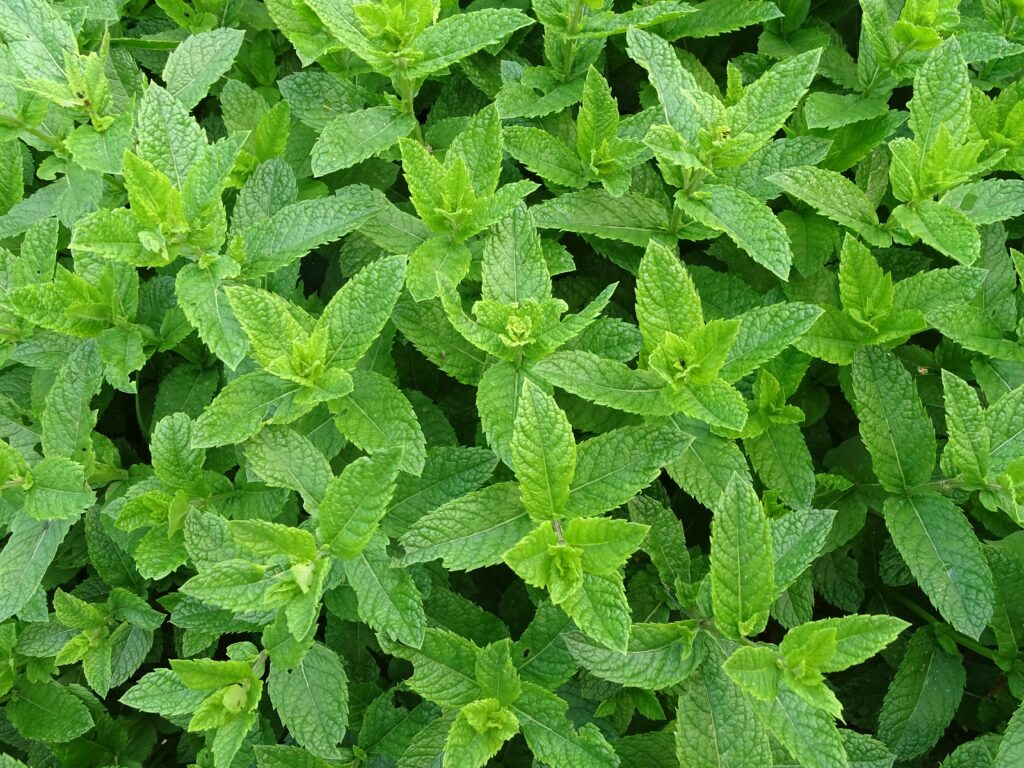
It tastes crisper and more refreshing than ordinary garden mint. Like other mints, peppermint tea is frequently used to relieve digestive discomfort. Because of its vigorous growth, it needs a special pot to prevent it from overpowering nearby plants.
14. Calendula
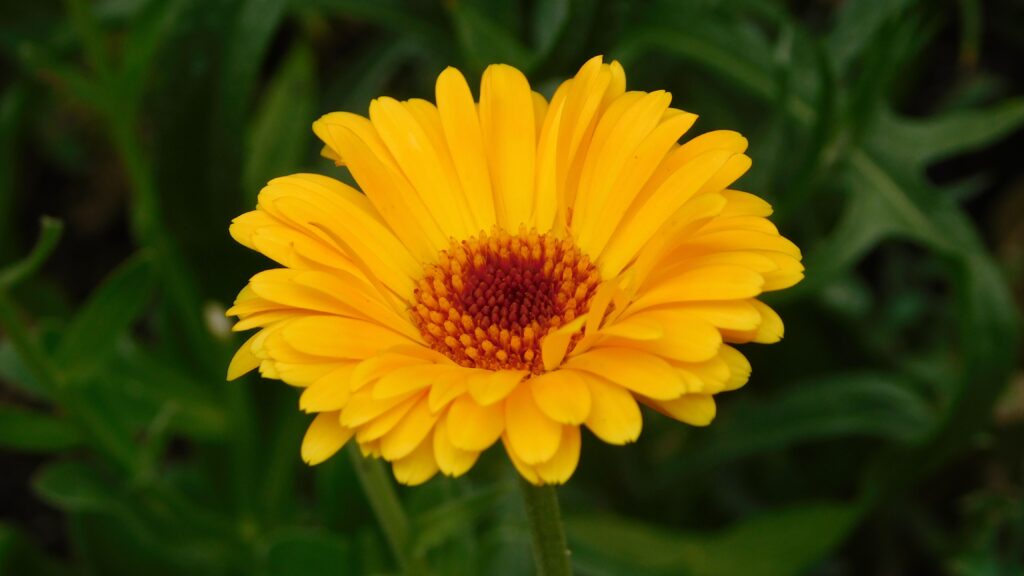
It is grown for its bright orange-yellow petals, which are steeped for tea and used in handmade skin salves and balms. For calendula to flourish inside, it requires a sufficient amount of direct light.
15. Catnip
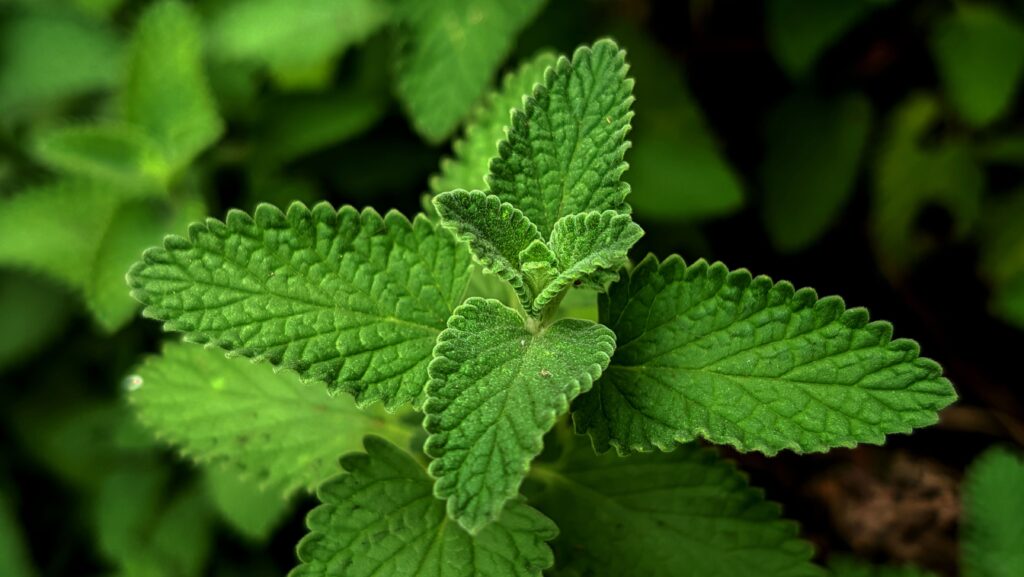
Catnip tea is well recognized for its effects on cats, but it has also been used traditionally as a gentle, soothing evening beverage for humans. It can withstand a variety of light conditions and grows readily indoors.
16. Stevia
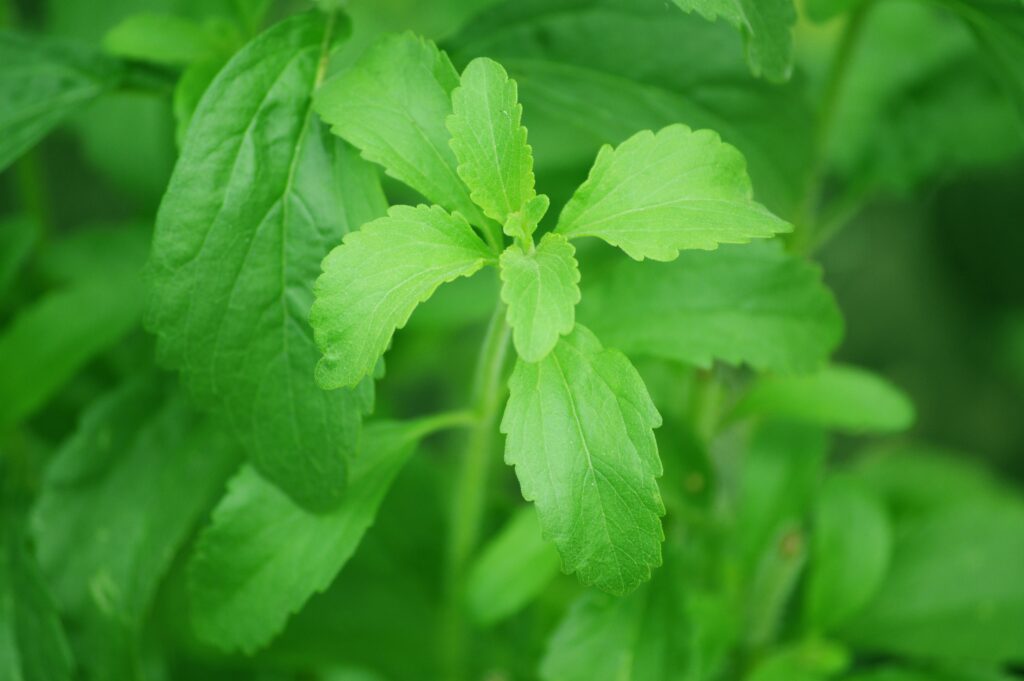
cultivated for its natural, calorie-free sweetness rather than for its unique flavor. The plant flourishes in a bright indoor location with frequent watering, and a few leaves steeped in tea or crumbled into a dish can be used in place of sugar.
17. Echinacea
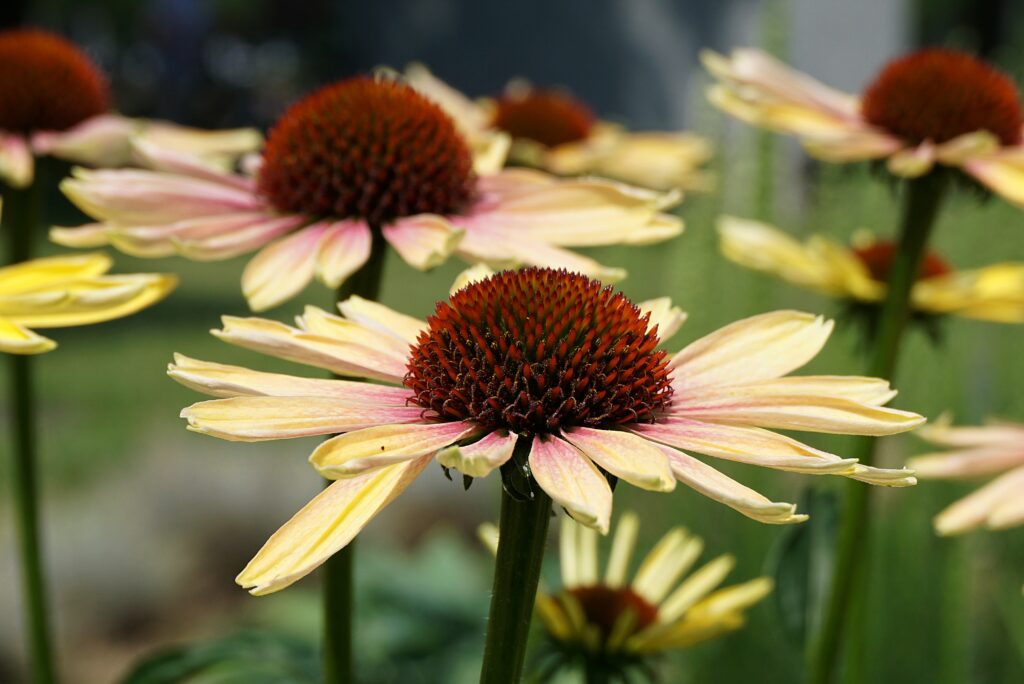
Although a compact variation can be grown in a big indoor container with ample of light, it is more frequently cultivated outdoors as a garden perennial. Its roots and blossoms, which are typically made into a tincture or tea, have long been used traditionally during the cold and flu season.
18. Valerian
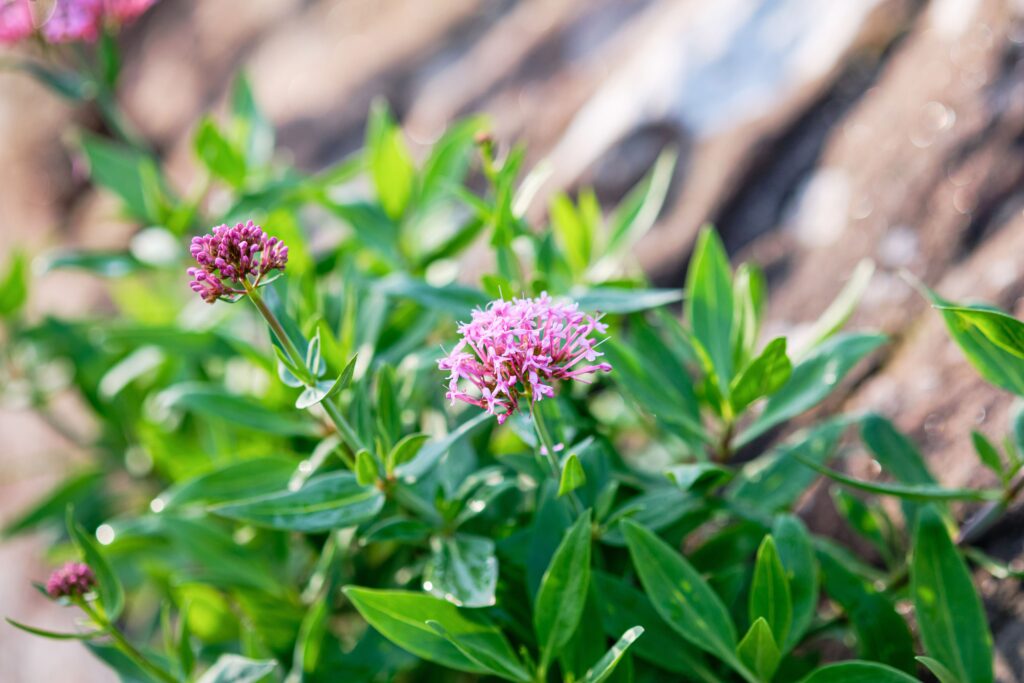
Grown mostly for its root, which has a long history of being used as a natural sleep aid when made into a tincture or tea. It’s a unique addition if you’re developing a wellness-focused herb shelf, but it’s a slower, more demanding grower than most on our list, requiring a deep pot and constant care.
19. Passionflower
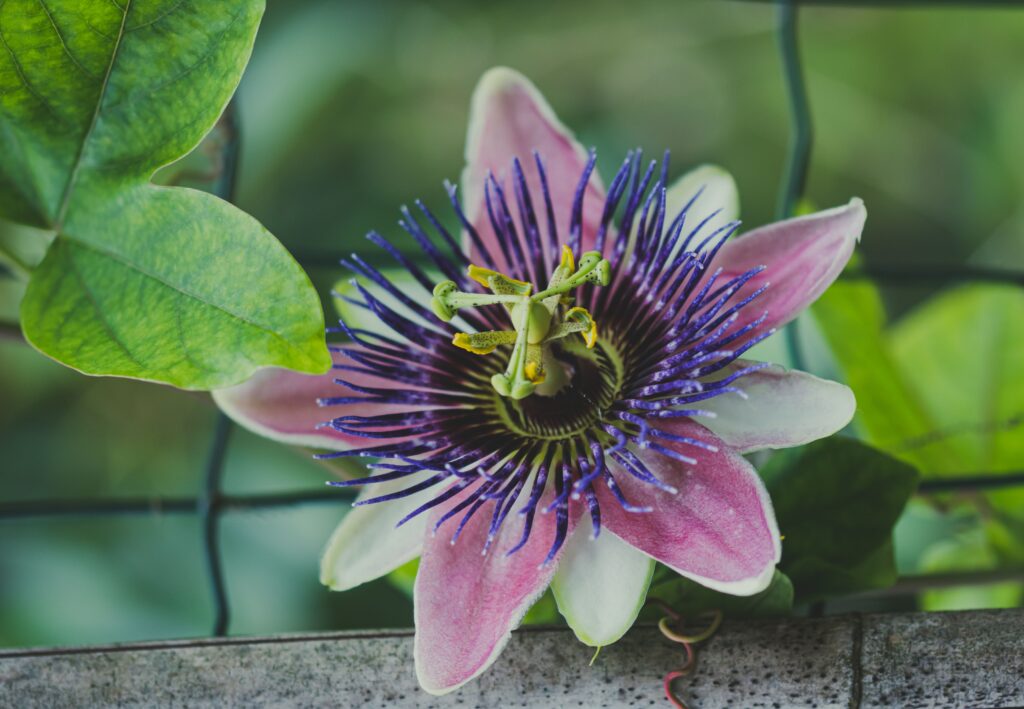
Passionflower, a flowering plant with beautiful, elaborate blossoms, is traditionally used as a tea that is thought to promote sleep and reduce restlessness. It thrives in many hours of bright light indoors and requires a trellis or other support to climb.
20. Feverfew
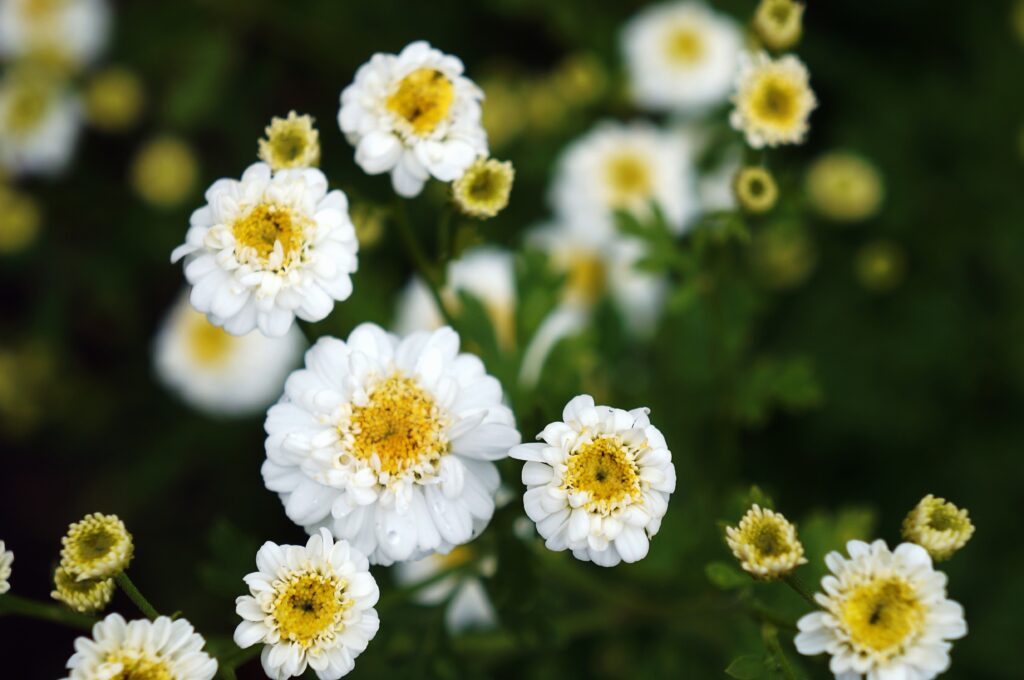
A small, daisy-like plant that has long been used in traditional medicine to relieve periodic headaches. It is frequently eaten or brewed as tea. It’s a simple, little grower that works nicely with calendula or chamomile on a light windowsill.
How to Successfully Grow Herbs Indoors
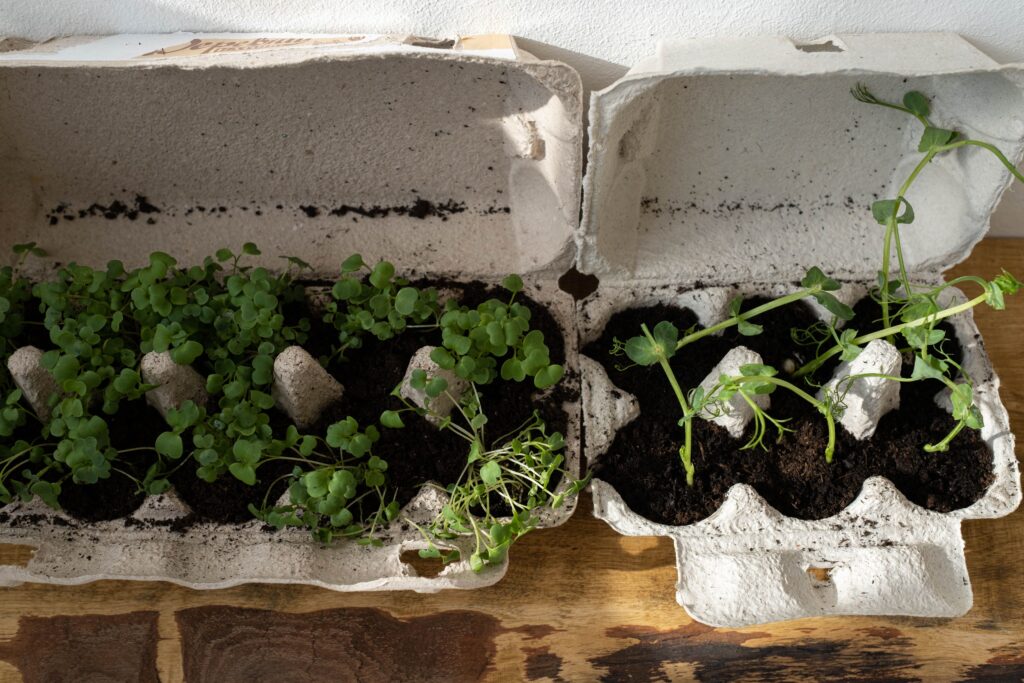
Selecting healthy herbs is crucial, but maintaining their health requires the proper growing environment.
Most of the above indoor herbs have similar basic requirements:
- at least four to six hours of light each day, either from a small grow lamp or a bright window
- a pot with drainage and potting mix that drains effectively
- Avoid overwatering. Do not allow any of these to stand in water that is stagnant, which is the most common way indoor herbs are lost, and water most of them when the top inch of soil feels dry.
- Give herbs plenty space. Instead of being combined with slower-growing herbs like sage or valerian, the mints (peppermint, lemon balm, and catnip) grow best in their own container because they tend to spread quickly. Compared to the other herbs on the list, tall or deeply rooted herbs like fennel, lemongrass, and valerian require a larger, deeper pot.
Best Indoor Herbs for Cooking

If cooking is your main reason for creating an indoor herb garden, consider choosing herbs based on the foods you prepare most often.
For Italian, French, European, and North American-style cooking
Basil, oregano, thyme, Catnip , rosemary, Calendula, and marjoram are excellent choices.
For Asian, African-inspired dishes
Cilantro, lemongrass, Passionflower, holy basil, mint, Calendula, and dill can be useful additions.
For soups and stews
Parsley, thyme, rosemary, sage, Chamomile, oregano, and bay laurel are practical choices.
For tea and refreshing drinks
Mint, lemon balm, lemongrass, lavender, valerian, echinacea, passionflower, feverfew, and stevia can provide interesting options.
This approach prevents you from growing herbs simply because they look attractive. Instead, your indoor garden becomes a practical source of fresh ingredients.
Best Indoor Herbs for Wellness
Fresh herbs can add taste, variety, and organic plant compounds to regular meals. Meals can be made more interesting by using herbs instead of just salt or heavy sauces.
The nutritional value of the various naturally occurring chemicals found in many herbs varies according on the herb and the method of consumption.
It’s essential to maintain reasonable standards, though. A well-balanced diet, expert medical advice, and prescription treatments cannot be replaced by culinary herbs.
Enjoying herbs for their fresh flavor, scent, greenery, and culinary diversity is the simplest way to approach everyday gardening.
Frequently Asked Questions

Which herbs help relaxation and sleep?
Among the most popular herbs for relaxing are chamomile, lavender, valerian, lemon balm, and passionflower, which are usually made as tea in the evening.
Is it possible to grow chamomile indoors?
Certainly. Chamomile thrives in a container on a sunny windowsill and requires regular watering and bright light, but it flowers more consistently in strong, steady light.
Which herbs work best for tea and cooking?
In addition to being useful in spicy cooking, mint, basil, rosemary, sage, fennel, and marjoram can be steeped into a simple tea.
Is it okay to plant wellness herbs with cooking herbs?
In general, yes, although some, like the mints, spread quickly and, regardless of the purpose for which they are produced, are best kept in their own pots.
Final Thoughts
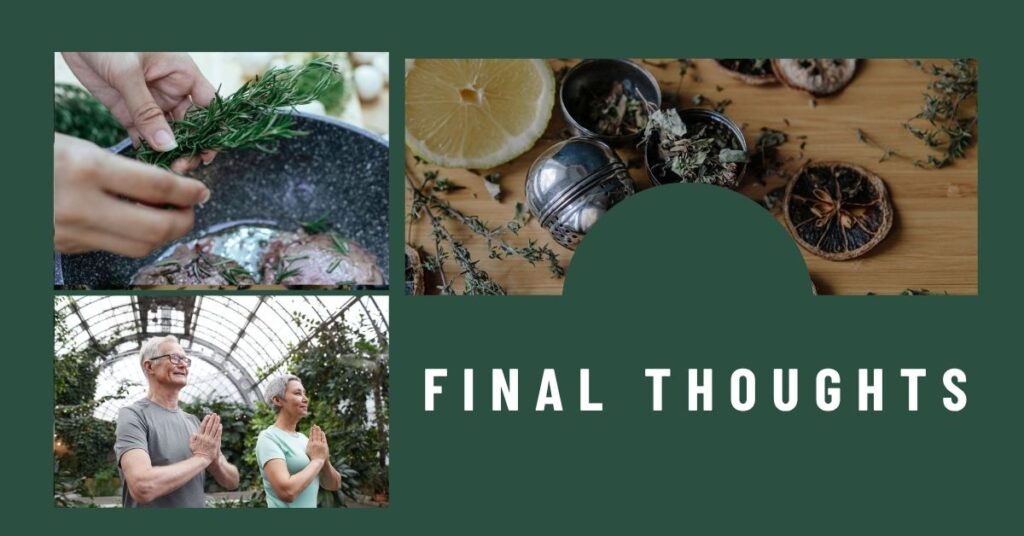
It’s not necessary for a windowsill full of herbs to be exclusively composed of lavender and chamomile or basil and thyme. You may create a little garden that truly deserves its location by combining a few wellness-focused herbs with a few cooking staples. This garden can be used for supper one evening and a soothing cup of tea the next. Organize the rest of your collection around the two or three items from each category that you reach for the most.
Looking for more indoor growing ideas? Check out our guides on , [space-saving mini herb garden ideas] ( https://minigardenideas.com/20-space-saving-mini-herb-garden-ideas-for-apartment-living/ ) and [indoor garden ideas for small spaces] , ( https://minigardenideas.com/15-indoor-garden-ideas-for-small-spaces/ ) for more ways to grow at home.