
No garden. No balcony. Not even a windowsill big enough for a proper plant shelf. If that is the case, a tabletop garden could be the simplest way to get your hands dirty without having any outdoor space at all.
A tabletop garden is exactly what it sounds like: a small garden that grows on a table rather than in the ground. Imagine a small zen sand garden on your desk or a shallow tray of succulents on your coffee table. It’s portable, affordable, and forgiving enough that it won’t cost you much if you lose on your first try.
Here are 20 Tabletop Garden Ideas for small spaces & beginner choices to try, grouped based on style, so you can choose the one that best suits your area and the level of maintenance you truly prefer to manage.
What Is a Tabletop Garden?
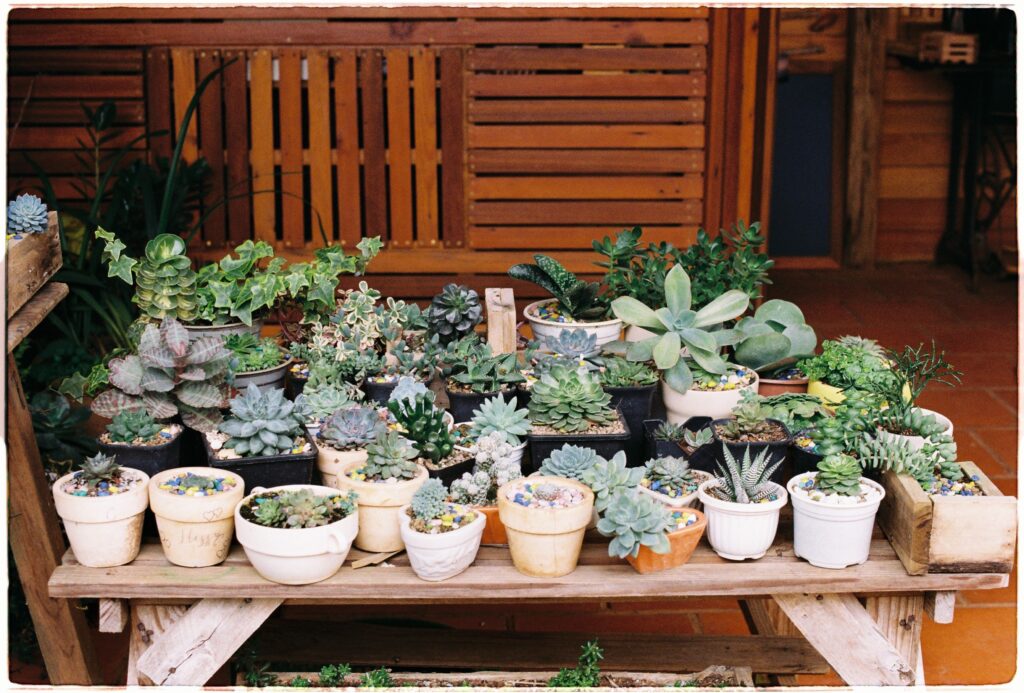
A tabletop garden is a small planting arrangement designed to be set on a level surface in a shallow dish, tray, or bowl. A tabletop garden is a single, self-contained landscape made up of plants, soil, and typically a few decorative features like small stones or moss, as opposed to a complete houseplant collection spread over a room.
It is more of a showpiece than a practical garden. In most cases, you’re not cultivating food. You’re constructing a little, attractive structure.
Why Give It a Try?
Obviously, you don’t require outdoor space, but most beginners are attracted to it because it’s inexpensive and low-risk. If you already have a bowl or tray in a cabinet, nearly all of the setups cost less than $20. Additionally, a mistake stays insignificant because everything is small. You lose one $4 plant if you kill a succulent in a tabletop tray, not a whole garden bed that you built over the weekend.
This is a good option if you’ve already tried and failed with larger houseplants.
20 Tabletop Garden Ideas to Try
Succulent Tray Gardens
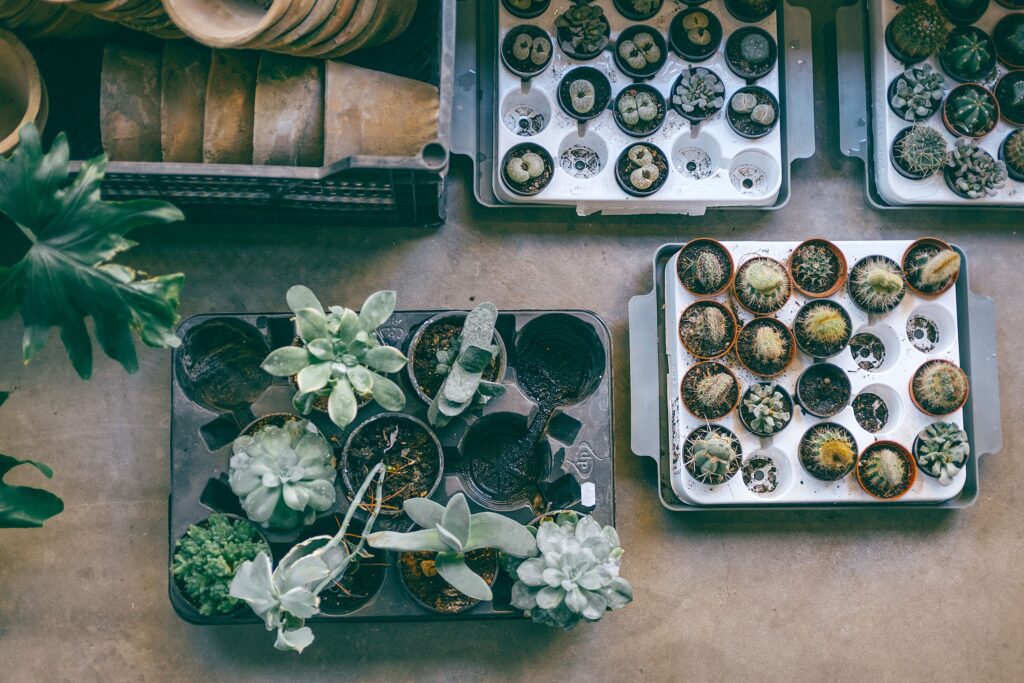
1. Classical mixed succulent tray: One shallow, wide dish with three or four different flavorful types. Water only until the soil is completely dry, about every one to two weeks, and use bright, indirect light.
2. Succulent cluster with a single species: Use many of the same succulent (echeveria works nicely) in various sizes rather than combining different kinds. On a coffee table, it reads more deliberately and cleanly.
3. A succulent garden with white pebbles Instead of leaving the soil empty, cover it with white or light gray pebbles. hides the dirt line and draws focus to the greens.
4. Succulents in an antique tin Instead of purchasing a pot, repurpose an old tin or metal container. Simply make drainage holes in the bottom first.
5. Layered-height arrangement of succulents: Combine low, spreading succulents with tall, upright ones to create visual depth rather than a flat tray.
Zen & Sand Gardens
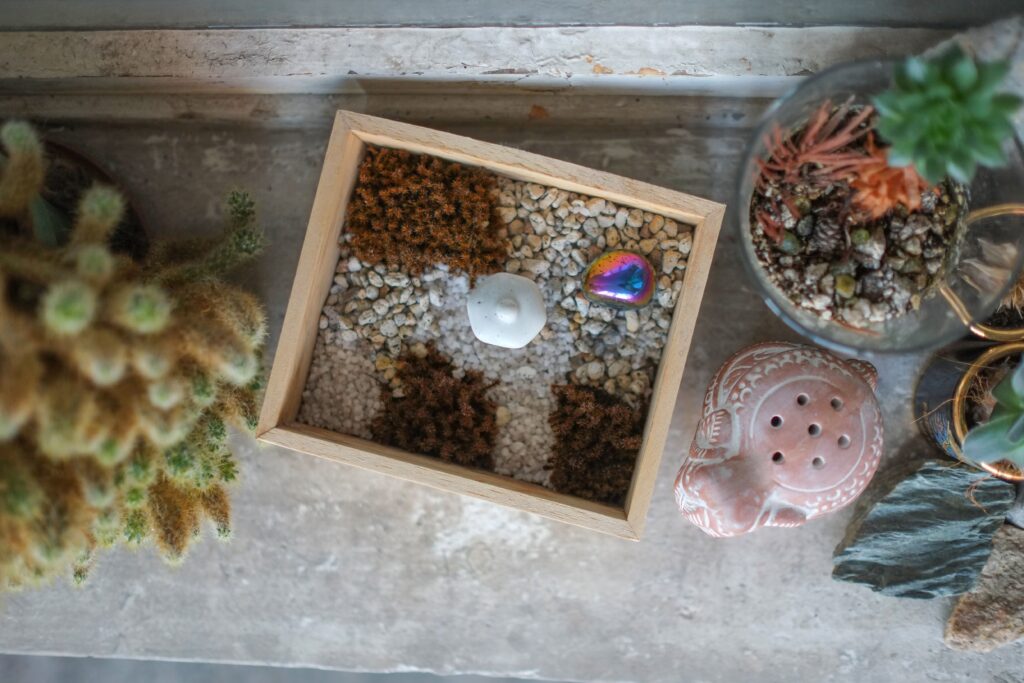
6. Classic Zen sand tray: Fine sand, a couple of smooth stones, and a tiny wooden rake. Every time you need a five-minute reset, rake the sand into shapes.
7. A single air plant in a Zen garden. Place one air plant in the middle of the stones. Air plants go well with a sand-based system because they don’t require soil.
8. Zen garden with black sand: For a more striking, trendy appearance, use black sand instead of ordinary sand. Under the surface, the same low-maintenance arrangement.
9. A zen garden the size of a work surface, a scaled-down version that is four or five inches broad and can be placed next to a keyboard without taking up actual desk space.
Terrarium-Style Gardens
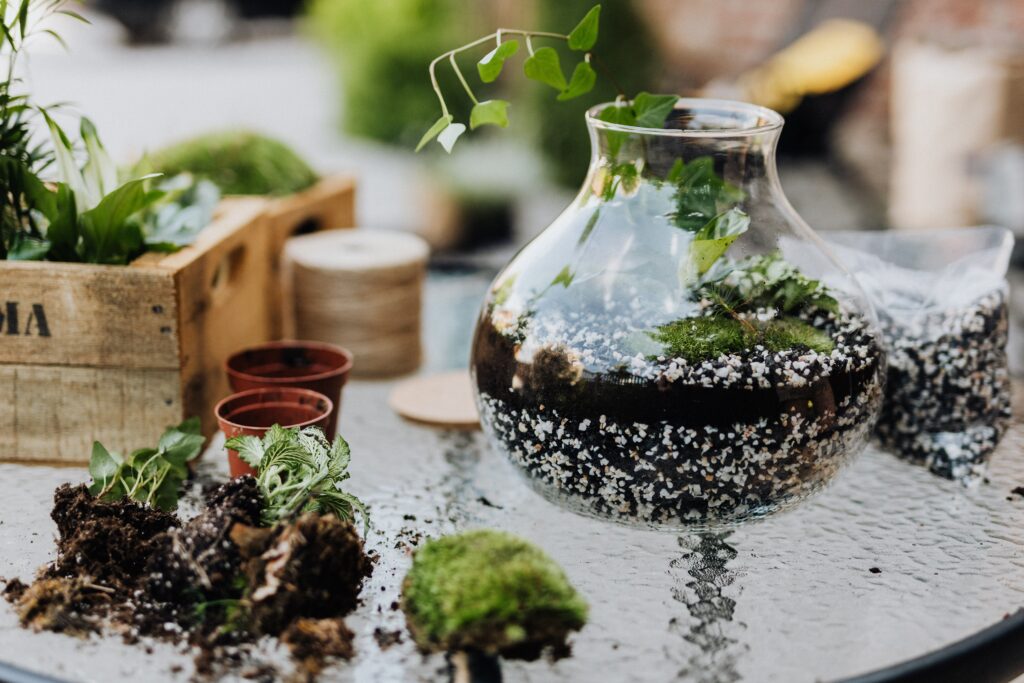
10. Moss and ferns in an open terrarium: Moss and a little fern are planted in an open-topped glass bowl or jar. Instead of frequent watering, it requires occasional sprinkling.
11. A closed terrarium, a glass container that is sealed and generates its own humidity cycle. It can survive for up to weeks without any watering once it is in a state of equilibrium.
12. Fittonia terrarium: The nerve plant, or Fittonia, thrives in the humid conditions of a terrarium and boasts eye-catching veined leaves.
13. Soil and sand layered terrarium: Layers of dirt, charcoal, and sand are visible through clear glass, and it looks nice even before anything is planted in it.
Setups for Fairy Gardens
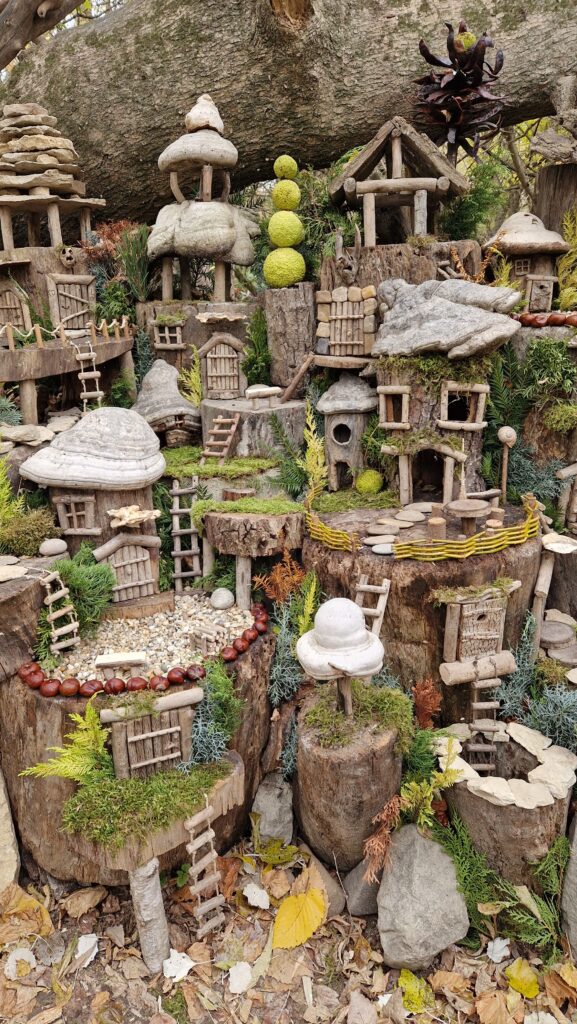
14. Traditional fairy garden tray: a shallow tray featuring a small cottage, a gravel walkway, and low-growing plants that resemble baby tears in place of grass.
15. Fairy garden in a teacup:: A scaled-down version that may be placed on a desk or in a child’s room and is constructed in a single giant teacup or mug.
16. Woodland fairy garden: For a more organic, forest-floor appearance, use bark fragments, moss, and tiny pinecones in place of colorful decorations.
Moss Gardens
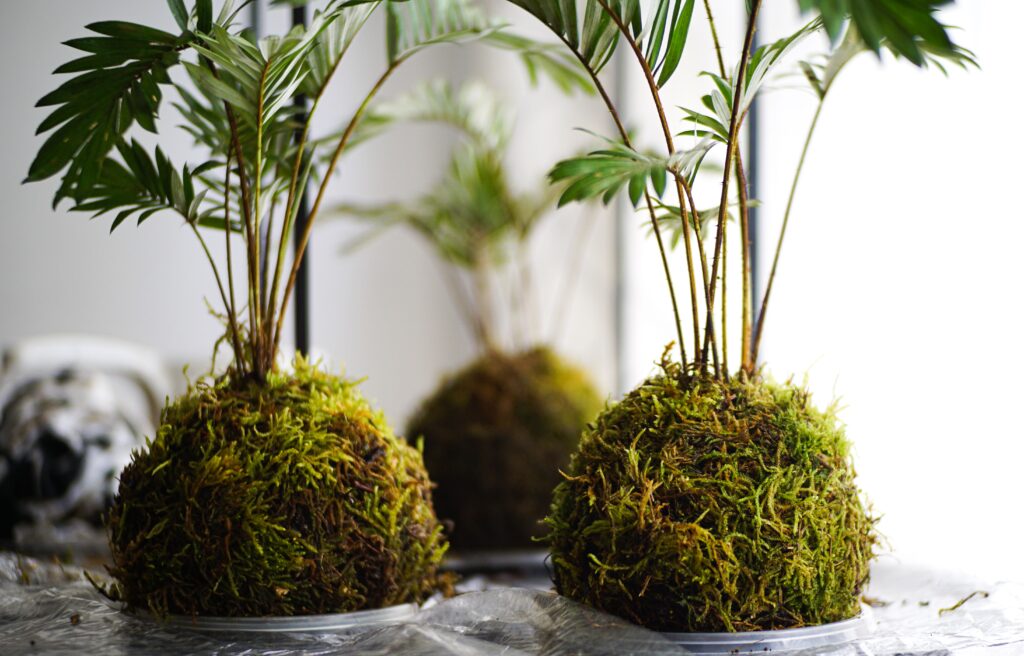
17. A basic moss dish: A small dish with moss laid on top of a layer of soil. Tabletop planting is about as near to being unbreakable as it gets.
18. Rock and moss arrangement A few tiny stones set among mossy patches to create the illusion of a small landscape.
Herb Trays
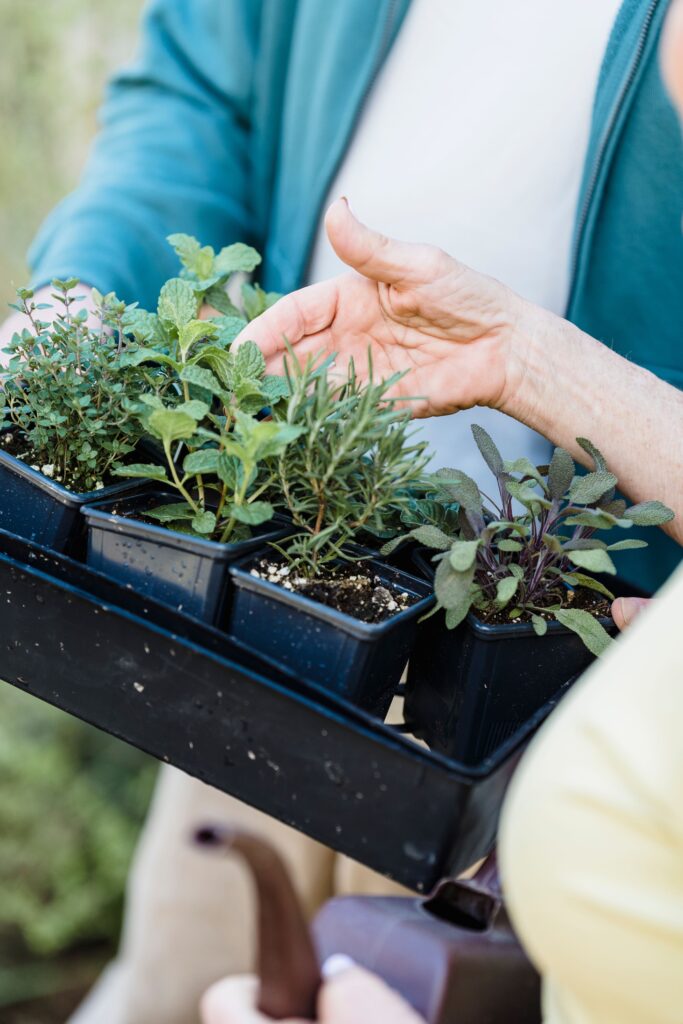
19. Small kitchen herb tray: Place two or three small pots of basil, mint, or thyme next to a kitchen window. However, more decorative than a complete cooking supply, it is still practical in an emergency.
20. A tray of herbs with delicious blooms: Add some nasturtium or pansy to a small pot with the herbs for both color and use.
What You’ll Need to Begin
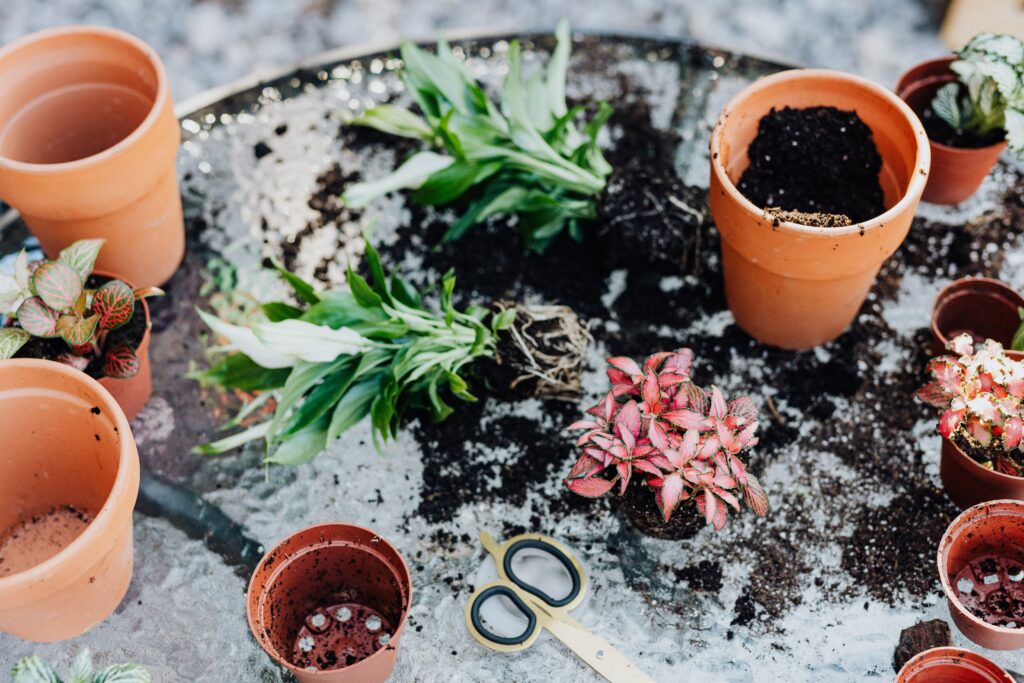
- A shallow tray or container (with drainage, or a layer of pebbles if not)
- Potting soil that is appropriate for the type of planting
- Compact plants that fit inside the container
- If you want, decorative elements like stones, moss, and small figures
- If you plan to use moss or a terrarium, a spray bottle for misting
Most of this is affordable at any garden center, and you probably already have a bowl or tray that would be suitable.
Care Advice

Most beginners don’t realize how important light is. Even “low light” plants typically prefer indirect light instead of a dark part of the room. Near a window, just out of direct sunlight, is ideal for nearly all of the items on this list.
The most common error that people make is overwatering. It’s surprising how long little containers retain moisture based only on their surface. If you’re unsure, postpone watering until another day.
Additionally, give the tray a quarter rotation once a week or so if it is placed next to a window. Otherwise, instead of growing uniformly, everything ends up tilting toward the light.
Frequently Asked Questions

What is the frequency of watering a tabletop garden?
Based on the plants. Succulents require watering approximately once every two weeks. Terrariums and moss require much less—sometimes only the occasional shower. Instead of following a set timetable, check the soil before watering.
Can I substitute artificial plants?
You can, and it’s a good choice if all you want is the image without any maintenance. From a few feet away, it will resemble genuine plants, but it won’t provide the same stress-relieving or air-purifying effects.
Is direct sunlight required for tabletop gardens?
The majority don’t. Most of the plants utilized in these arrangements benefit from bright, indirect light. Smaller plants near windows can potentially be damaged by long-term exposure to direct sunlight.
What is the lifespan of tabletop gardens?
A succulent or moss tray can survive months or even years with simple maintenance. Once balanced, terrariums can last even longer with little maintenance.
Final Thoughts
You don’t need a yard, a balcony, or a lot of free time to grow things at home. You only need one small container and an afternoon to create a tabletop garden. Whether it’s a succulent tray you’ll reorganize every season or a low-maintenance moss dish, start with the style that best fits your maintenance level. Once you’ve learned the basics, it’s simple to build another, then a third, until half of your flat surfaces are covered with green.
Looking for more small-space growing ideas? Check out our guides on balcony flower gardens and space-saving herb gardens for other ways to grow without a yard.