
An apartment, bedroom, office, or small living area can seem clean, welcoming, and connected to nature with the help of indoor plants. However, even low-maintenance houseplants can have problems. Common indicators that a plant’s growing conditions need to be addressed include yellow leaves, brown tips, drooping leaves, pests, poor development, and root rot.
The good news is that once the root cause is found, many indoor plant problems can be fixed. Treating each symptom differently is important. For example, overwatering may cause yellow leaves, whereas dry air, irregular watering, or mineral accumulation may cause brown leaf tips.
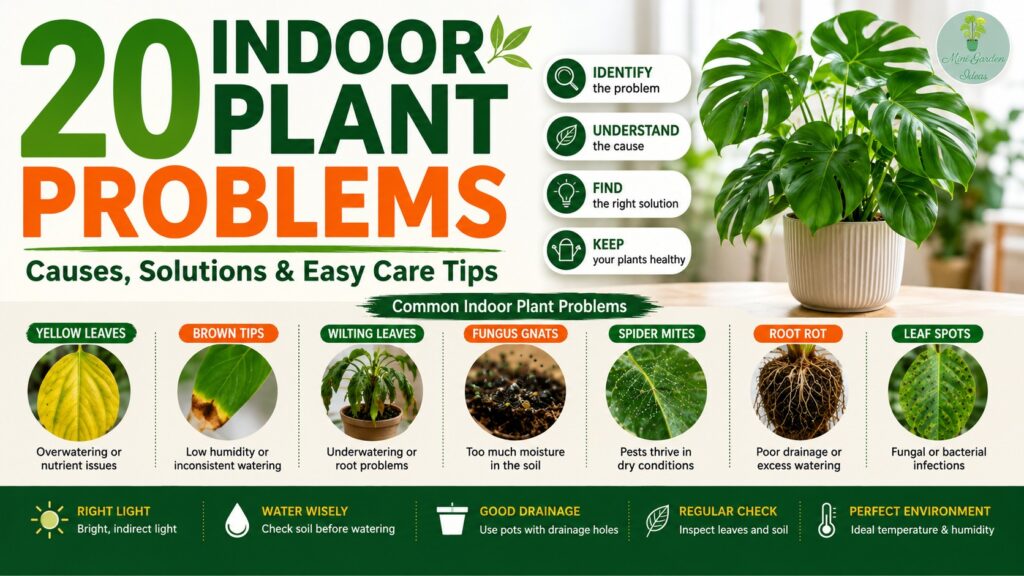
This guide outlines 20 common indoor plant problems, explains their likely causes, and provides simple solutions that beginners can follow :
In short: Why Are My Indoor Plants Having Problems?
The most prevalent issues with indoor plants are typically associated with watering, light, drainage, humidity, temperature, pests, or soil conditions. Examine the soil moisture, light availability, pot drainage, and leaves for signs of disease or insects before modifying your plant’s schedule.
Identify the symptom → assess the growing conditions → address the likely cause → allow the plant to heal up.
Avoid making many significant changes at once. It’s easier to figure out what is good for your plant when you make small changes.
Why Do Indoor Plants Have Problems?
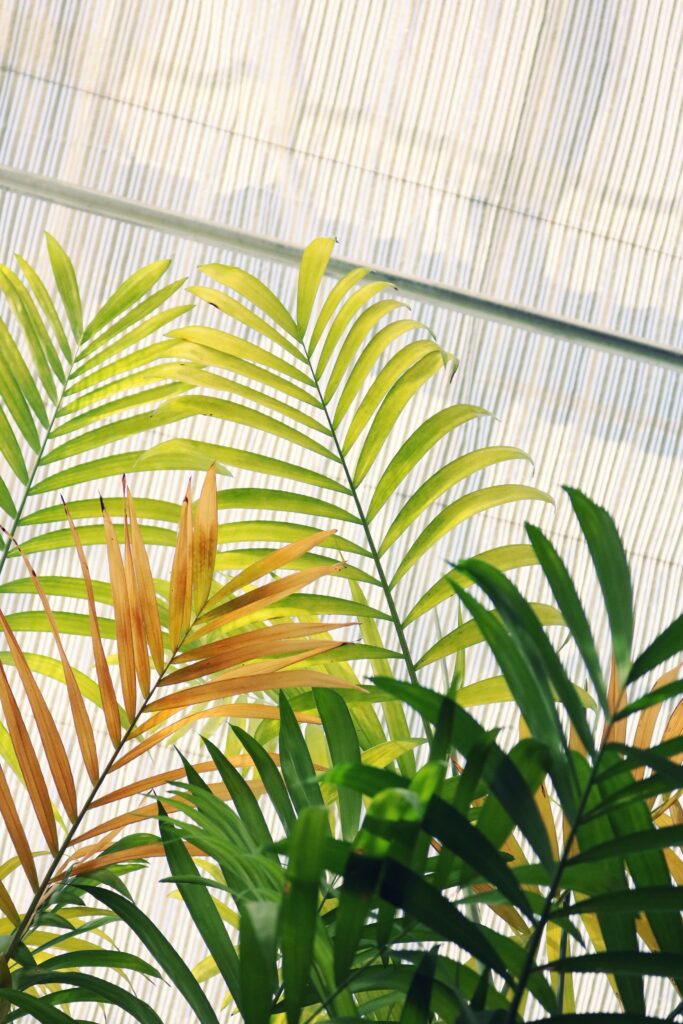
Plants in the house, in comparison to outside plants, inhabit a relatively controlled environment. Conditions indoors, however, can still differ considerably.
Common causes of indoor plant problems include:
- Watering excessively
- Permitting the dirt to dry up completely
- Poor drainage
- Not enough light
- Too much direct sunlight
- Dry indoor air
- Sudden changes in temperature
- Inadequate nutrition
- Pests
- The wrong size of pot
- Unsuitable or compacted soilA key component of effective indoor gardening is learning to identify these circumstances.
20 Indoor Plant Problems and How to Fix Them
1. Yellow leaves
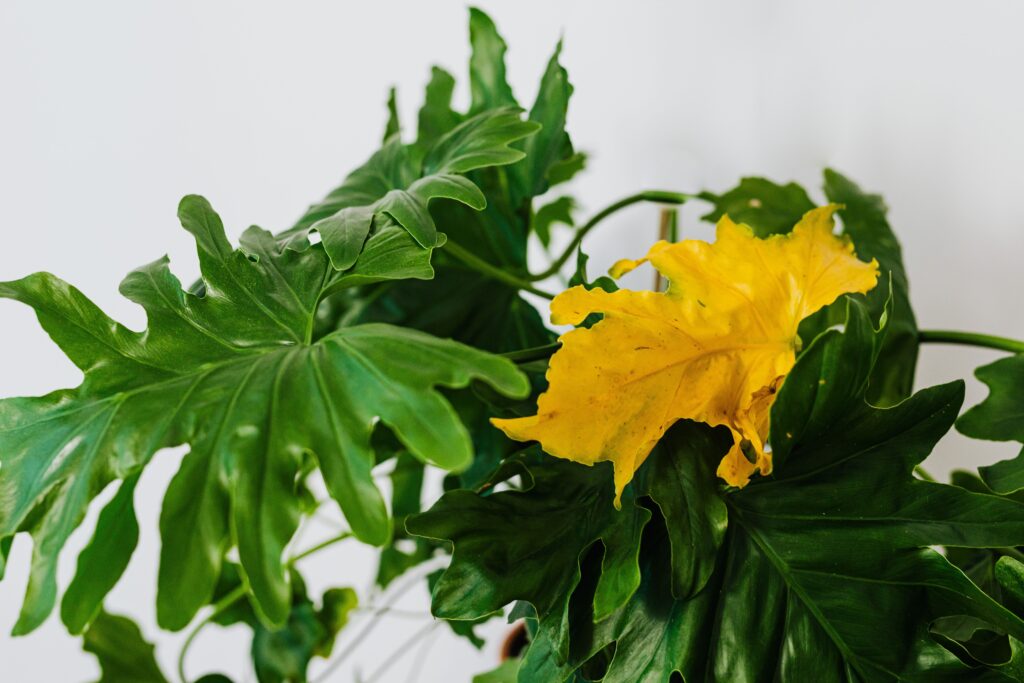
One of the most clear problems with indoor plants is yellow leaves.
Possible Causes
- Excessive watering
- Inadequate drainage
- The aging process of older leaves
- Insufficient light
- Nutrient issues
Simple Fix
Instead of adding more water right away, inspect the soil first. Make sure the container has drainage holes and let it dry properly in between waterings if it stays wet for an extended period of time.
Natural leaf aging may be the cause if the plant is growing healthy new growth and only one or two older leaves are yellow.
Prevention
Avoid adhering to a strict watering plan and routinely check the moisture content of the soil.
2. Brown Leaf Tips
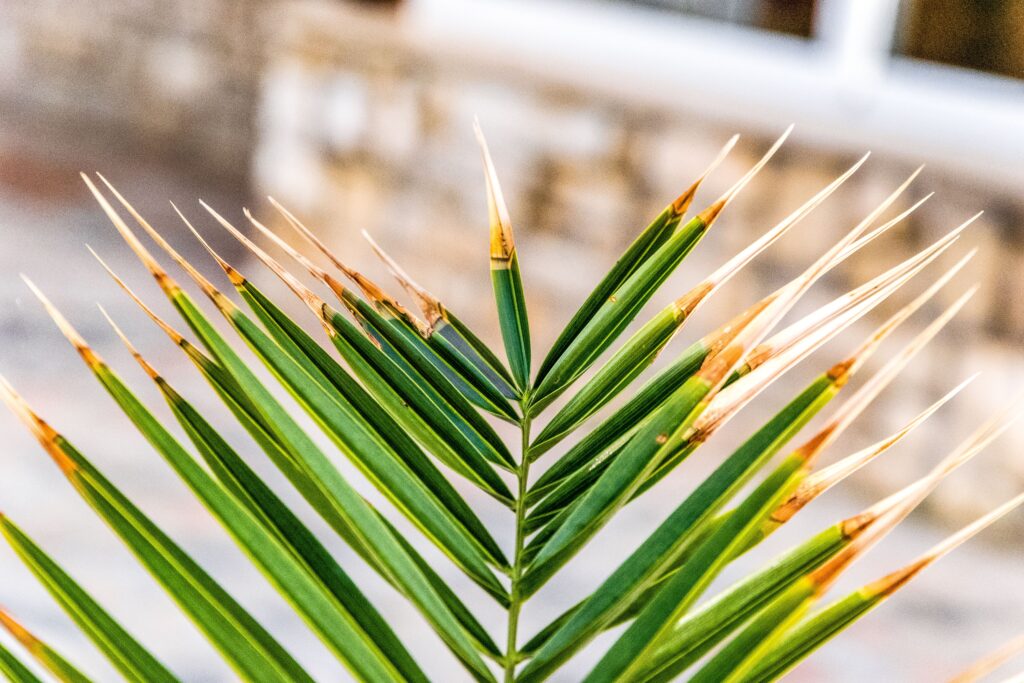
A healthy plant may appear unhealthy if its leaf tips are brown or crispy.
Potential Causes
- Dry air inside
- Watering irregularly
- Too much salt in fertilizer
- Stress in the environment
Easy Solution
Keep up a regular watering schedule and make sure the space isn’t overly dry. Certain plants may benefit from proper soil flushing if fertilizer has accumulated in the soil.
If you’d like, trim any damaged tips with clean scissors, but keep in mind that the tissue won’t become green again.
3. Wilting or drooping leaves
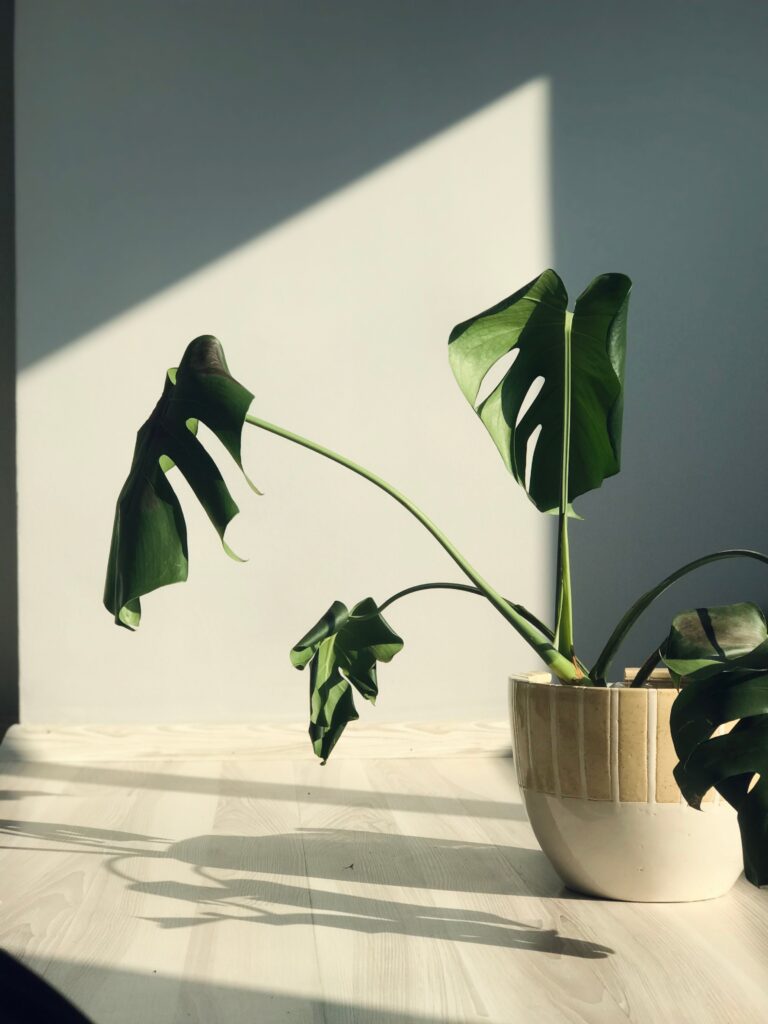
Watering a drooping plant isn’t always the solution, even if it could be thirsty.
Possible Causes
- Submerging
- Excessive watering
- Damage to roots
- Stress caused by temperature
Easy Solution
First, examine the soil. If the soil is extremely dry, give it a good watering and let the extra water drain. Before watering again, look into drainage and potential root issues if the soil is moist and the plant is still drooping.
4. Rotting roots
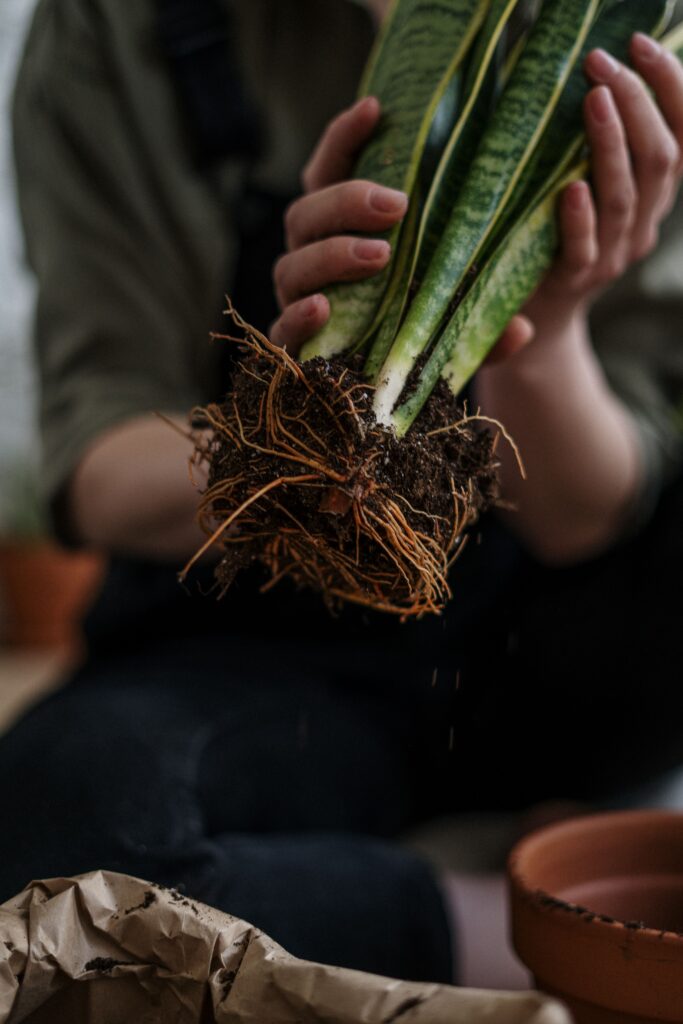
When roots stay wet too long, it can lead to root rot.
Warning Signs
- Wilting that continues in spite of moist soil
- Yellowing leaves
- Damaged or soft roots
- The smell of unpleasant soil
Easy Solution
Examine the roots after carefully removing the plant from its container. While badly damaged roots may feel mushy or spongy, healthy roots often feel hard.
Repot the plant in new, well-draining growing material after using clean equipment to remove severely damaged roots. Make use of a container with holes for drainage.
Prevention: Don’t keep the soil wet all the time.
5. Watering too much
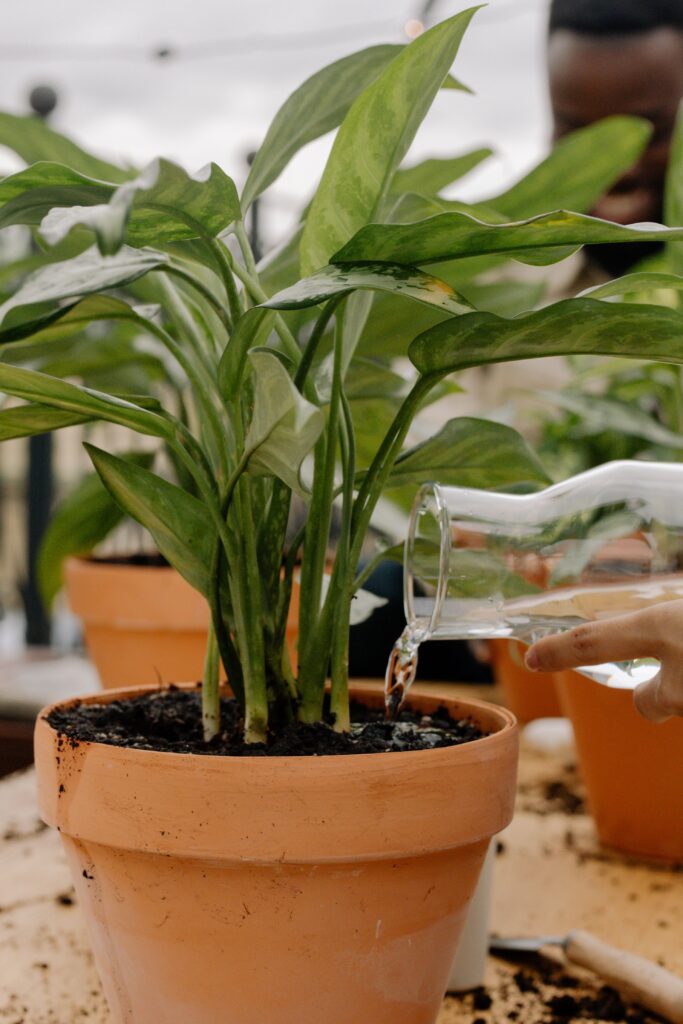
One of the most frequent errors made by beginner indoor gardeners is overwatering.
Indications of Excessive Watering
- Yellow foliage
- Soil that is always wet
- Wilting in spite of moist soil
- Fungal gnats
- Root issues
Easy Solution
Just because it’s a certain day of the week doesn’t mean you should water. Examine the soil and the specific requirements of the plant first.
Allow the growth medium to dry to the proper level for that specific plant and, if needed, improve drainage.
6. Less Watering
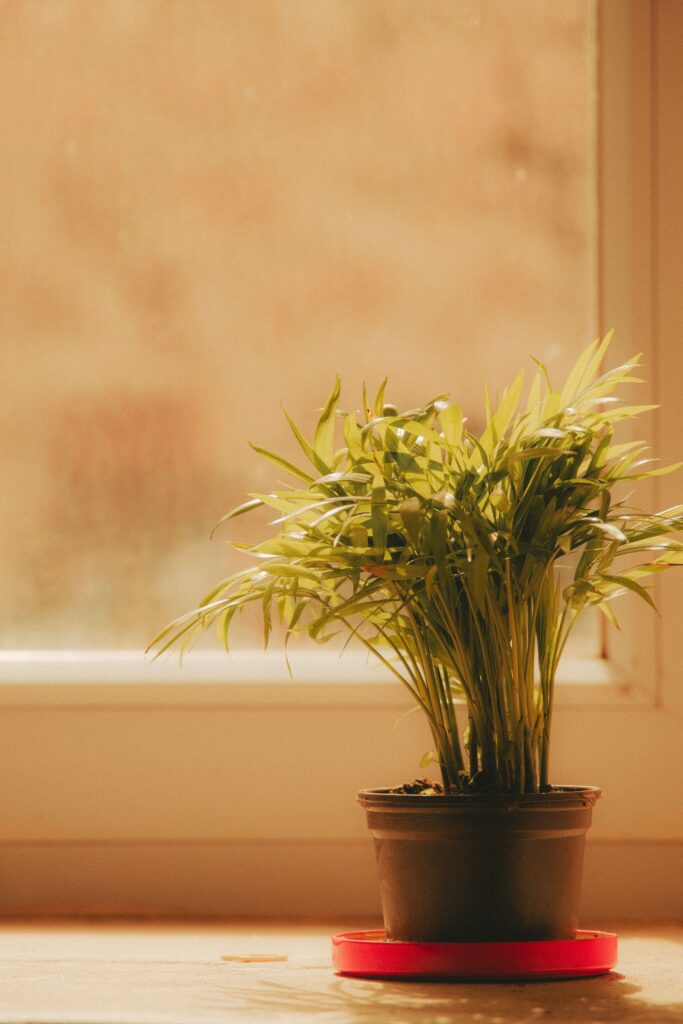
Repetitive exposure to high levels of moisture can also be harmful to plants.
Common Sign
- Crispy, dry leaves
- Drooping leaves
- A very dry potting mixture
- Browning at the edges of leaves
- slow growth
Solution
Water thoroughly to ensure the root zone is well-moistened if the soil has become excessively dry and has torn away from the container. Next, create a more regular care schedule.
Keep in mind that the type of plant, container size, temperature, humidity, and light all affect how often you should water it.
7. Stretched or Lanky Growth
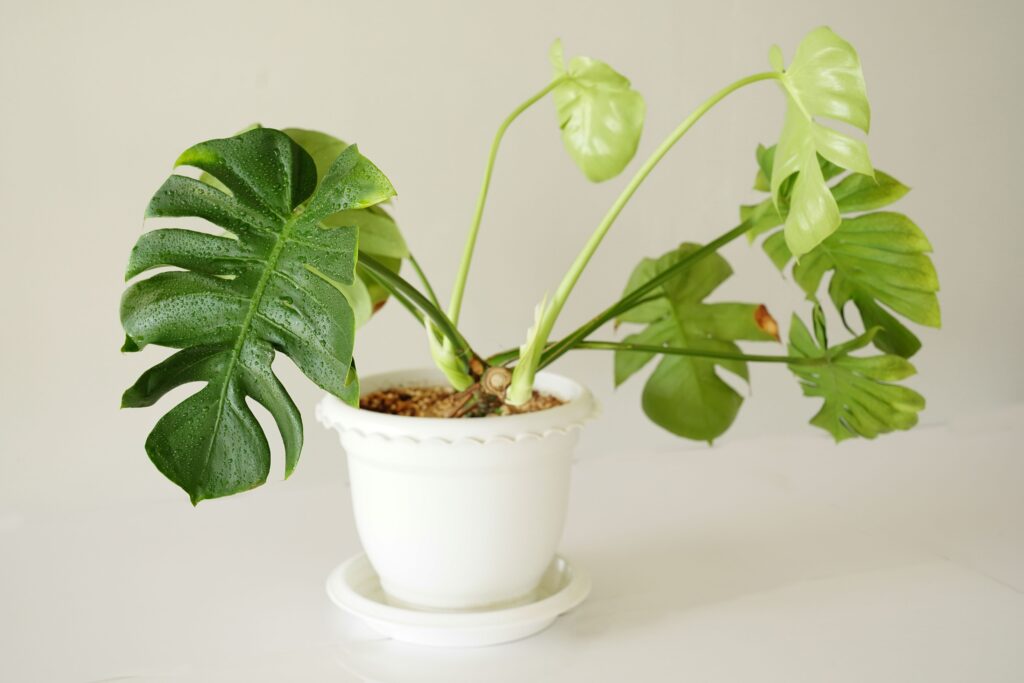
Are the leaves on your plant spaced far apart on lengthy stems?
This frequently indicates that it is looking for additional light.
Solution
When suitable for the species, move the plant to an area with better light, such as bright indirect light. To keep growth more balanced, rotate the container from time to time.
Pruning may promote a broader appearance if the plant has become overly lanky.
8.Stunted or Slow Growth
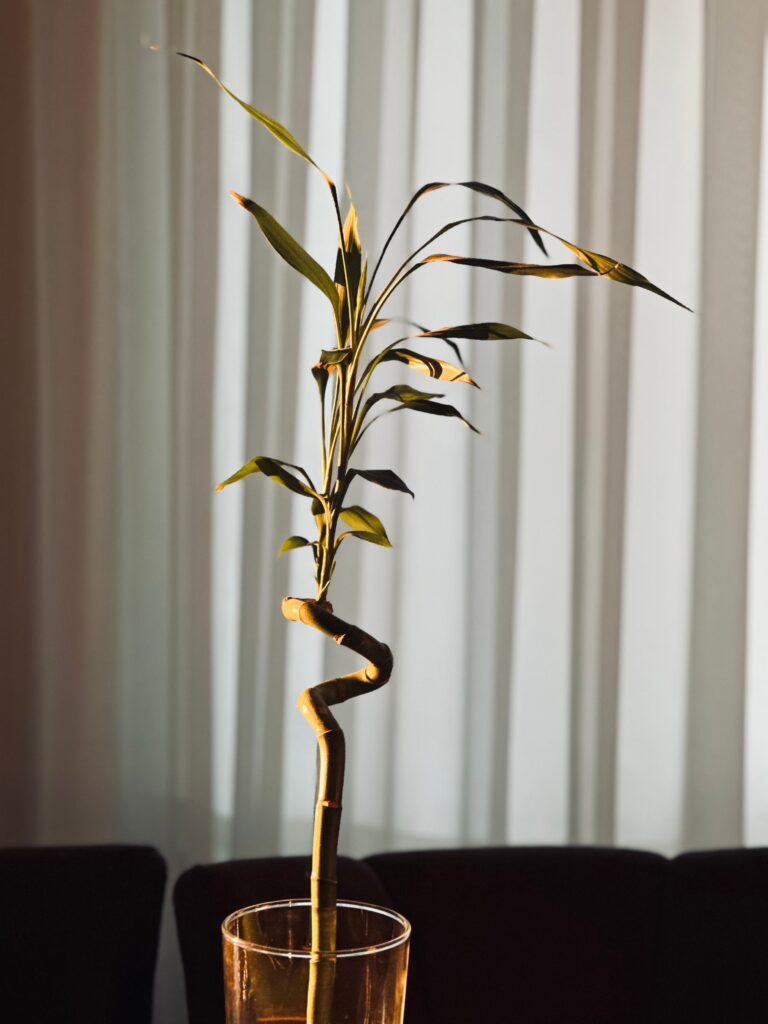
Slow development isn’t always an issue. Many indoor plants grow slowly by nature, especially in colder or darker climates.
Possible Causes
- Not enough light
- Low temperatures
- Deficiencies in nutrients
- Root-bound conditions
- Natural seasonal dormancy
Solution
Verify whether the plant gets enough light and whether its roots are larger than the container. Only fertilize when the plant and season call for it.
Don’t try to encourage growth by using a lot of fertilizer.
9. Too Much Leaf Drop
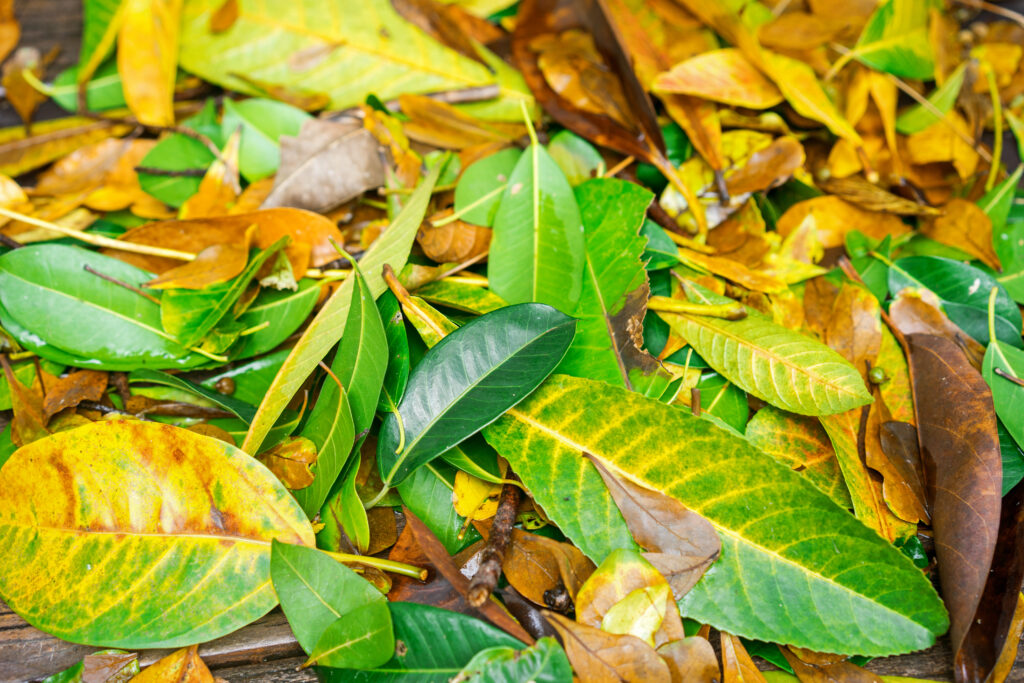
While occasional leaf loss may be quite normal, fast or severe leaf loss needs to be addressed.
Potential Causes
- Abrupt shifts in location
- Variations in temperature
- Low lighting
- Problems with watering
- A pest infestation
Solution
Keep the plant away from abrupt temperature fluctuations, heating vents, and strong winds. Examine the lighting and watering conditions, and look closely for pests in the leaves.
10. Curling Leaves
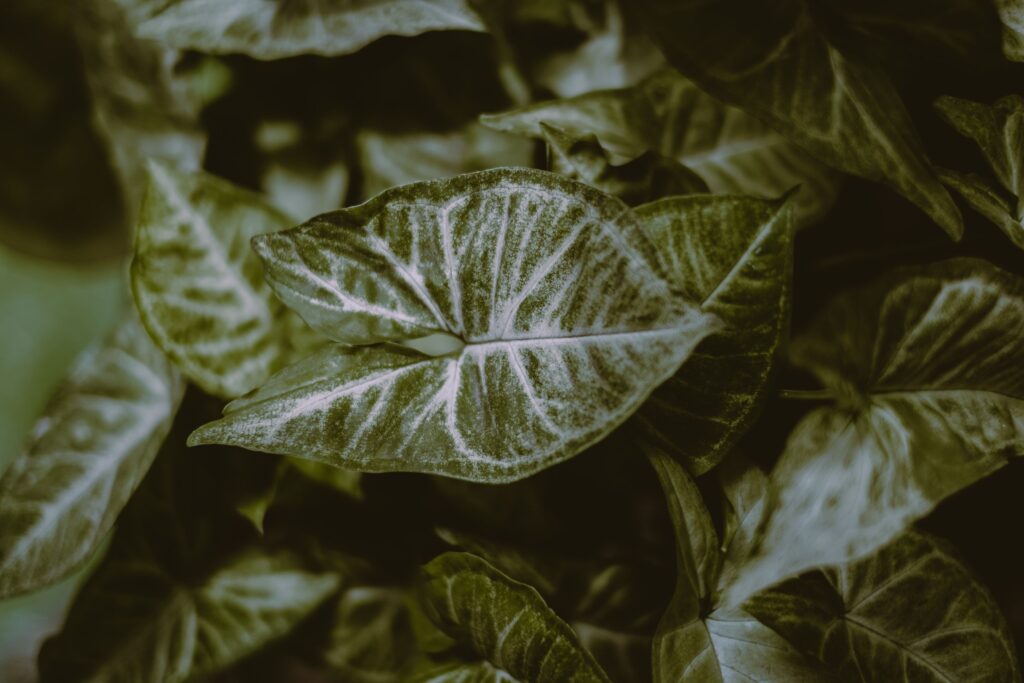
Leaves that curl may be a sign of environmental stress.
Potential Causes
- Stress related to water
- Too much heat
- Dry air
- The presence of pests
- Excessive exposure to sunlight
Solution
Look for bugs on both sides of the leaves and stems. Examine the soil’s moisture content and take into account whether the plant is getting too much heat or direct sunlight.
Instead of handling curled leaves as an isolated issue, address the root cause.
11. White Soil Fungus
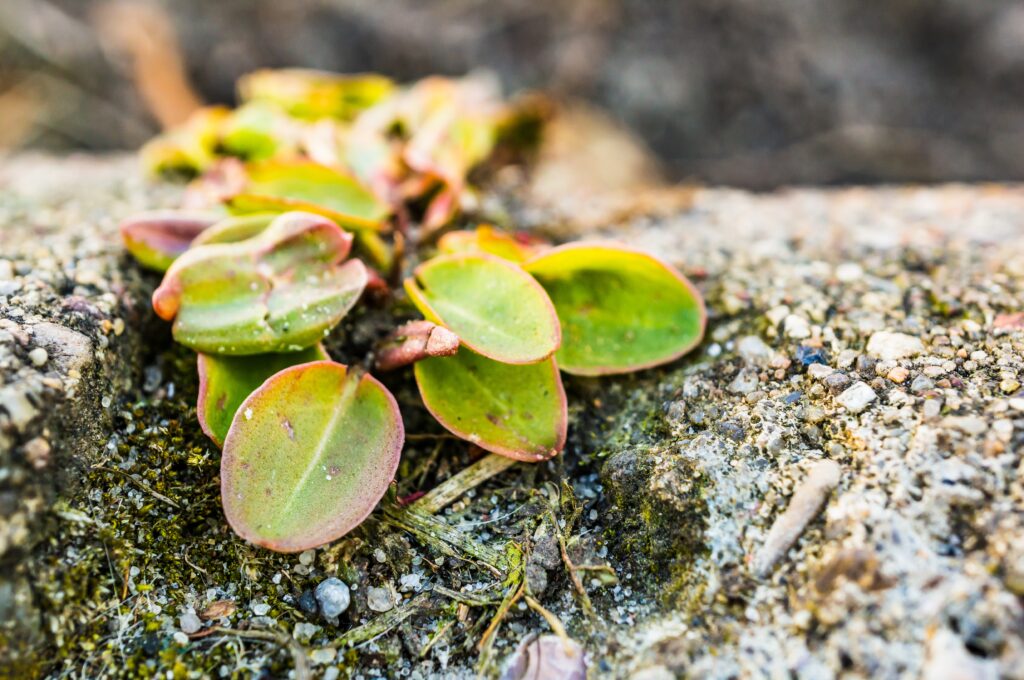
In constantly moist conditions, potting soil may occasionally develop a white, fuzzy covering on its surface.
Possible Causes
- Prolonged moisture
- Insufficient airflow
- Organic matter decomposing on the soil’s surface
Solution
Enhance air circulation surrounding the plant and let the surface dry properly. If required, remove any badly impacted surface material.
Above all, evaluate your watering practices.
12. Fungal Gnats
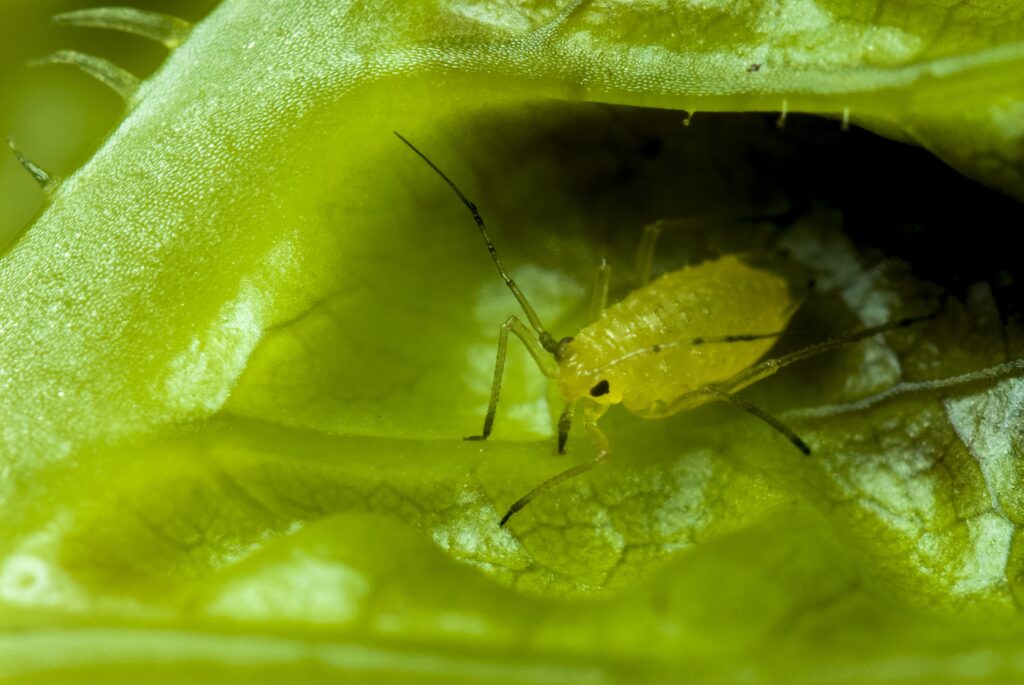
Fungus gnats are frequently small flying insects found near indoor plants.
They are particularly common when potting soil is continuously moist.
How to Minimize Them
- Do not keep the soil wet all the time.
- Between waterings, let the soil dry to the proper level.
- Decomposing plant matter should be removed.
- Use yellow sticky traps to keep an eye on mature insects.
If the issue continues, think about a suitable solution for the particular plant and growing environment.
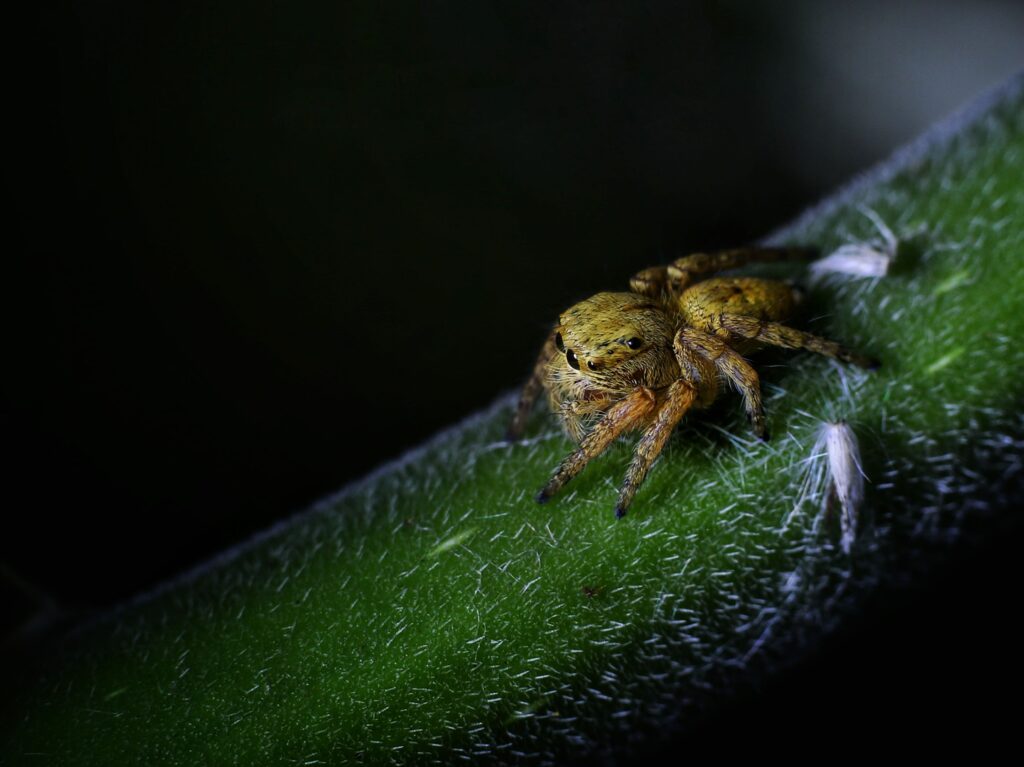
13. Spider Mites
Spider mites are microscopic pests that can weaken plants and create stippling and dark spots.
Signs
- Tiny, pale patches on foliage
- Fine webbing in cases of severe infestation
- Stress or dullness in the leaves
Soloution
Affected plants should be kept apart from other houseplants. Regularly check the plant and clean the foliage. When necessary, use horticultural or insecticidal products in accordance with their labels.
The control of pests is greatly facilitated by early discovery.
14. Mealybugs
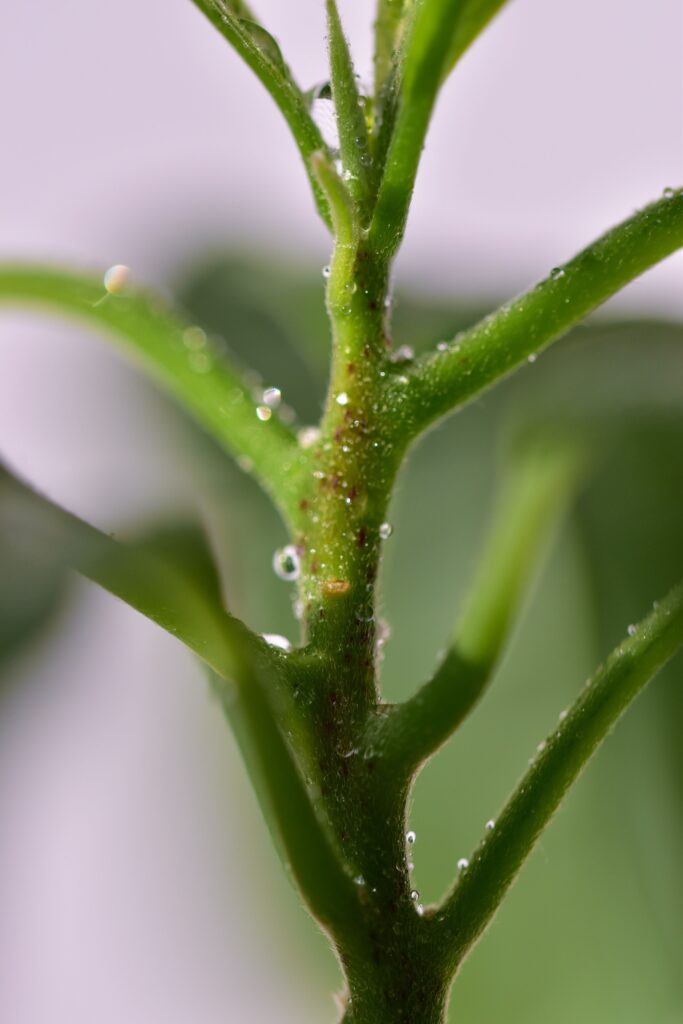
Mealybugs frequently create tiny, white, cotton-like clusters around leaf joints, stems, and other sheltered locations.
Solution
Carefully remove any visible insects and isolate the afflicted plant. Because hidden insects or recently hatched pests might cause the issue to recur, keep checking the plant on a frequent basis.
Use an appropriate treatment for larger infestations in accordance with the directions on the label.
15. Aphids
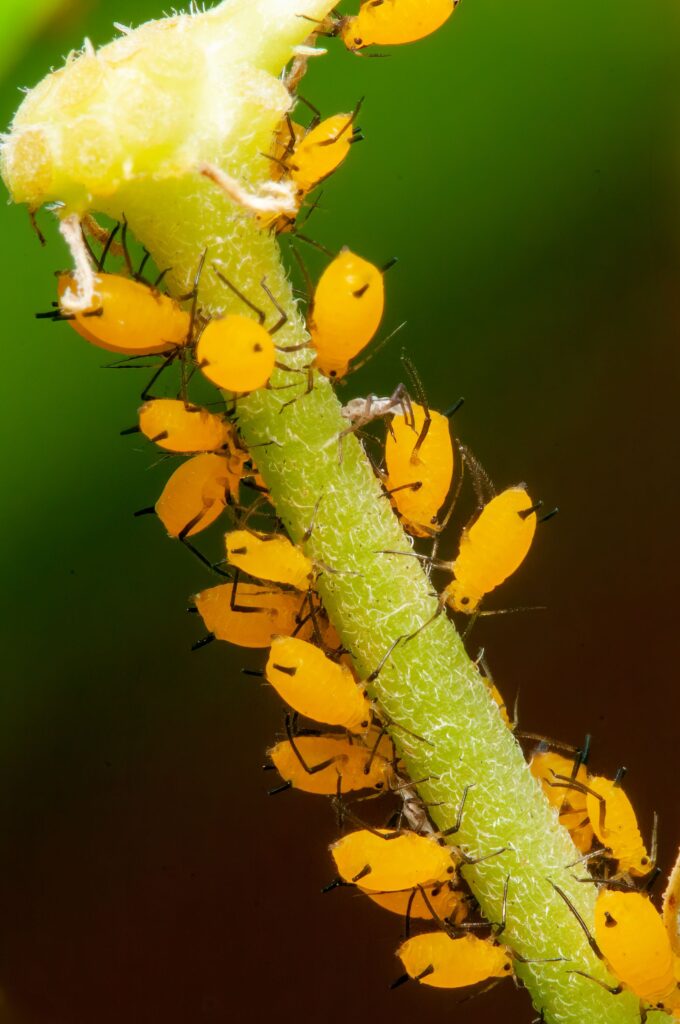
Aphids are tiny insects that may gather on the undersides of leaves, stems, and young growth.
Signs
- New growth distortion
- Sticky residue
- Groups of tiny insects
- Weak or curled foliage
Solution
Regularly check fresh growth. Some aphids may be removed from robust plants by a light water stream. An effective insect-control solution might be taken into consideration for persistent infestations.
16. Insect Scale
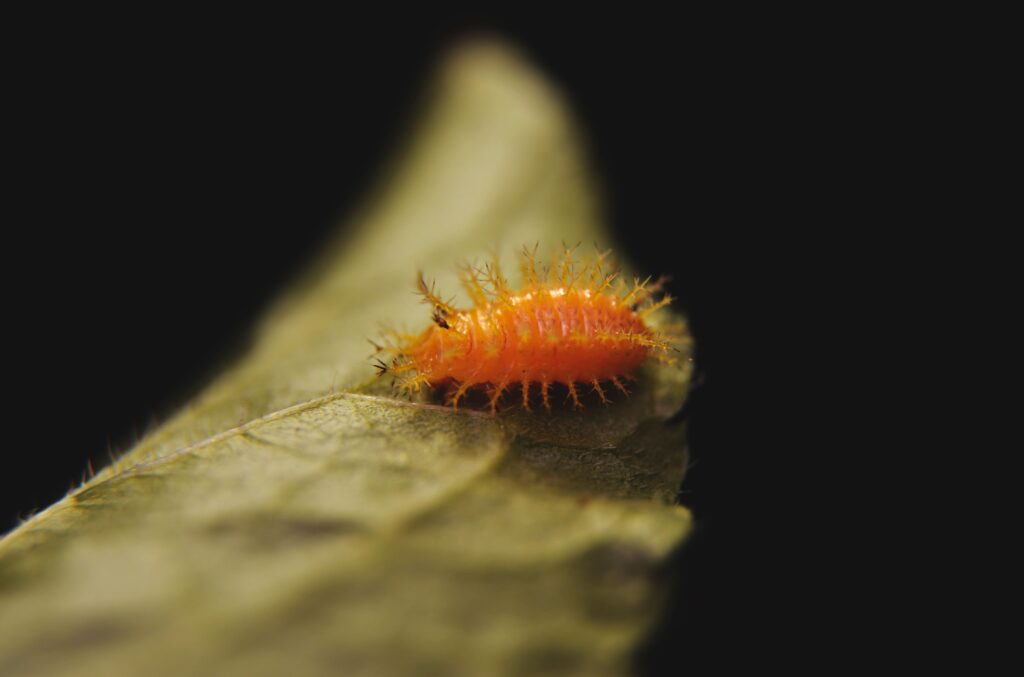
Scale insects can resemble tiny, waxy, brown, or tan lumps that are affixed to leaves and stems.
Solution
Examine the undersides of leaves and stems closely. When possible, remove any visible scale and separate the afflicted plants.
A suitable horticultural product may need to be used repeatedly to address persistent infestations.
17. Leaves Burned by the Sun
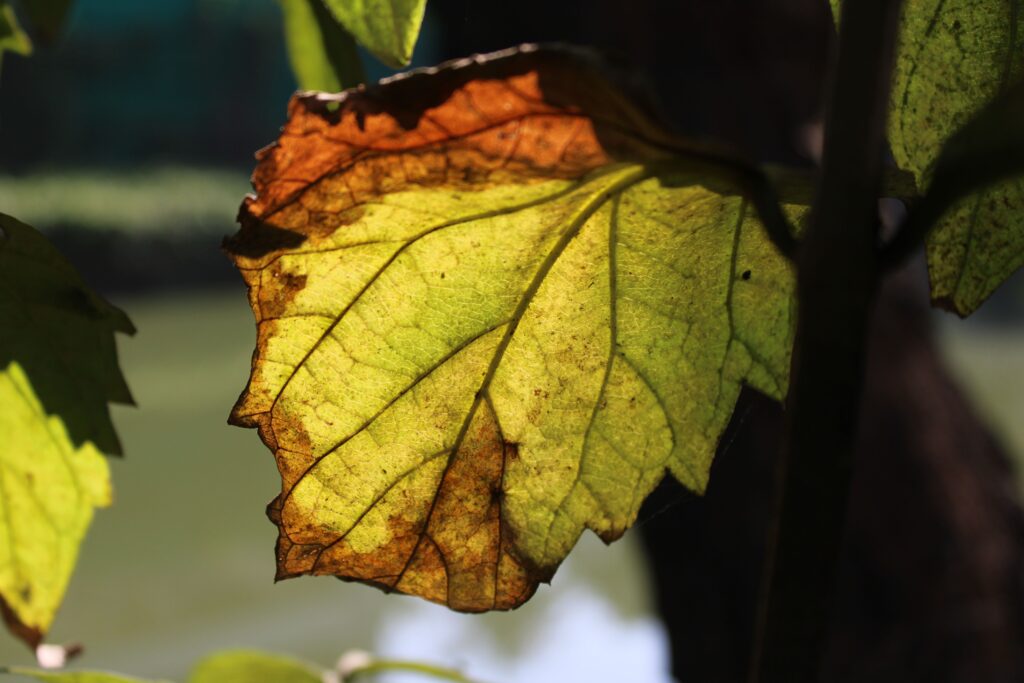
Not all indoor plants require direct sunshine.
Leaves that are suddenly exposed to intense sunlight may develop brown, bleached, or pale spots.
Solution
Sensitive plants should be moved out of direct sunlight or acclimated to brighter environments gradually.
Instead of exposing a plant to intense sunlight right away, move it gradually from a darker spot to a bright window.
18. Inadequate Nutrients
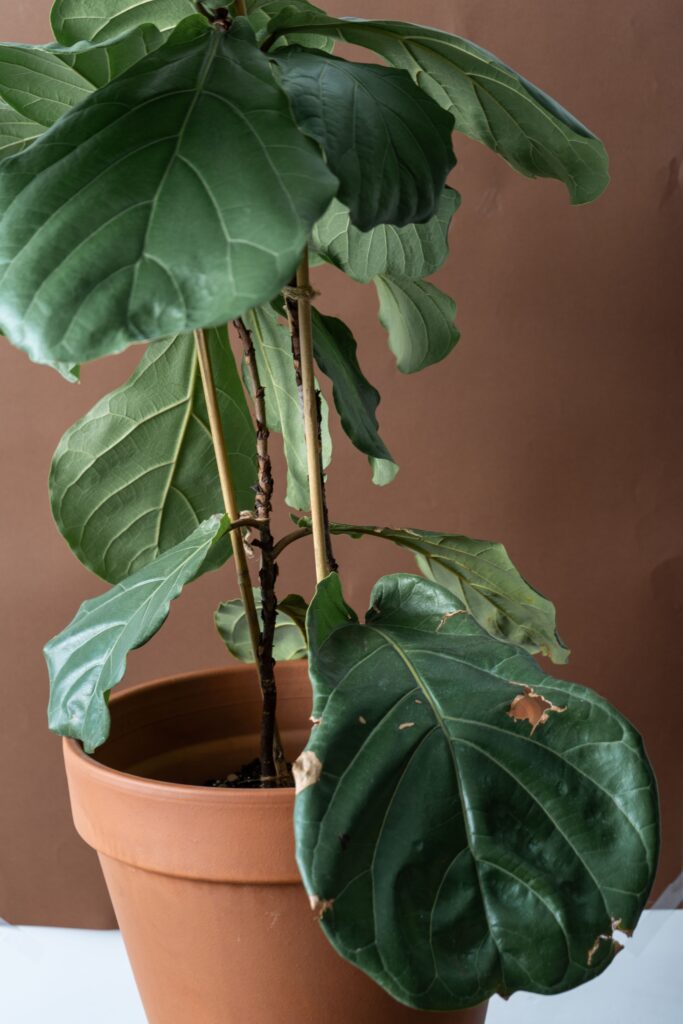
Depending on the plant and growing conditions, indoor plants kept in the same potting mix for a long time may eventually need more nutrients.
Possible Signs
- Yellow or pale foliage
- Inadequate growth
- Small fresh leaves
Nutrient issues, however, can resemble issues with lighting or watering
Solution
First, examine the soil, roots, light, and watering. Use an appropriate balanced fertilizer in accordance with the product directions if nourishment is actually required.
Because too much fertilizer might harm roots, avoid applying too much of it.
19. Plants Tied to Their Roots
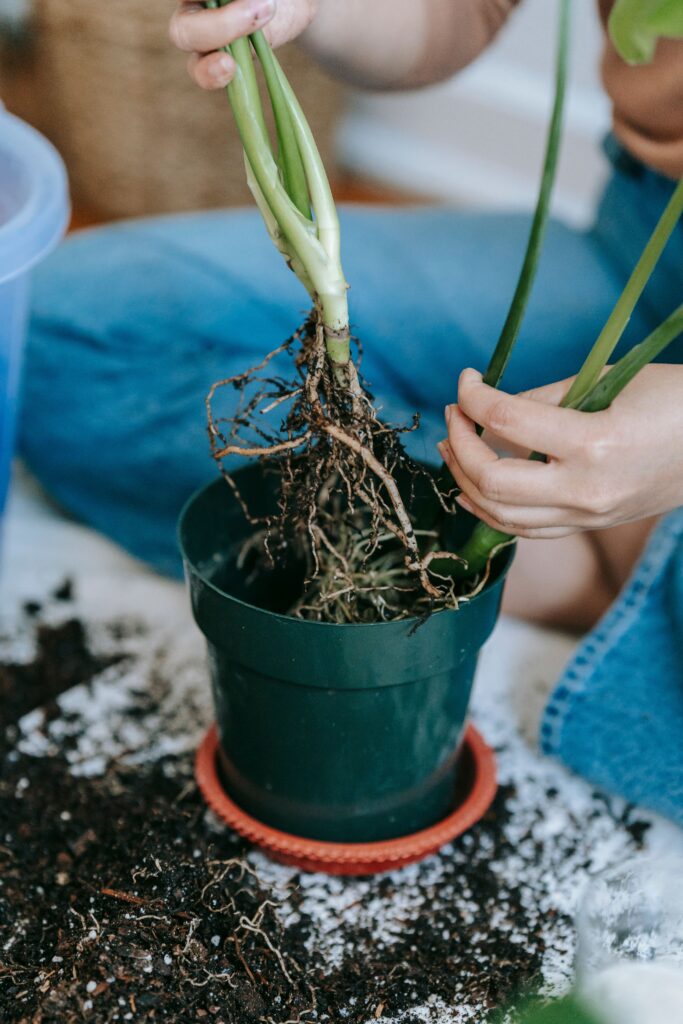
At some point, a plant may outgrow its container.
Signs
- Roots surrounding the pot’s interior
- Roots growing out of drainage holes
- Unusually rapid drying of the soil
- Despite proper care, growth is slowing
Solution
If the plant is truly root-bound, transfer it to a little larger pot filled with new, appropriate growing material.
Don’t jump into a very big pot. An too large container may retain too much moisture around the roots.
20. Spots on Leaves
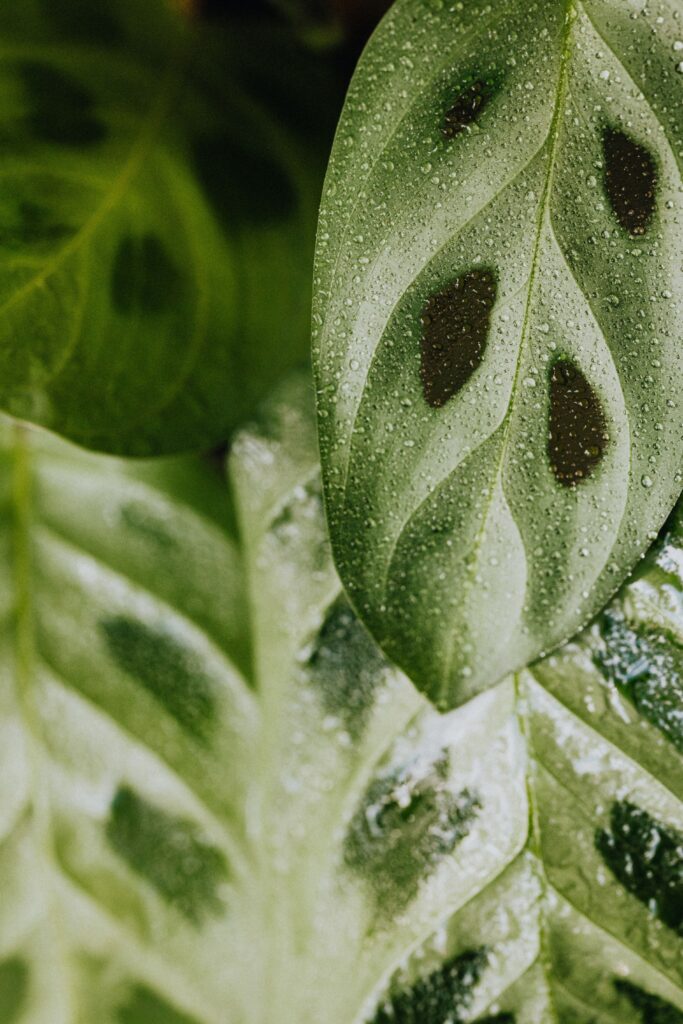
There are various reasons for spots that are brown, black, yellow, or uneven.
Possible Causes
- Bacterial or fungal problems
- Water sitting on plants
- Damage from pests
- Physical harm
- Stress from the environment
Solution
Enhance air circulation around the plant and use clean tools to remove severely damaged leaves. When a disease is detected, keep afflicted plants far from healthy plants and avoid needless overhead watering.
Before selecting a remedy, pay close attention to the pattern because leaf spots can have a variety of causes.
Quick Diagnosis Table for Indoor Plant Problems
| Problem | Common Cause | First Step |
|---|---|---|
| Yellow leaves | Watering, light, aging | Check soil moisture |
| Brown tips | Dry air, watering, salts | Check humidity and watering |
| Drooping leaves | Water stress | Check soil before watering |
| Root rot | Excess moisture | Inspect roots and drainage |
| Overwatering | Frequent watering | Let soil dry appropriately |
| Underwatering | Soil too dry | Rehydrate thoroughly |
| Leggy growth | Insufficient light | Improve suitable lighting |
| Slow growth | Light, temperature, roots | Check growing conditions |
| Leaf drop | Environmental stress | Review recent changes |
| Curling leaves | Water, heat, pests | Inspect leaves and soil |
| White soil mold | Excess moisture | Improve watering and airflow |
| Fungus gnats | Damp soil | Reduce excess moisture |
| Spider mites | Pest infestation | Inspect undersides of leaves |
| Mealybugs | Pest infestation | Isolate and remove pests |
| Aphids | Pest infestation | Inspect new growth |
| Scale | Pest infestation | Check stems and leaves |
| Sunburn | Excessive direct light | Reduce harsh exposure |
| Nutrient deficiency | Limited nutrients | Review care before fertilizing |
| Root-bound plant | Crowded roots | Inspect and repot if needed |
| Leaf spots | Disease, pests, stress | Isolate and inspect |
How to Avoid Indoor Plant Problems
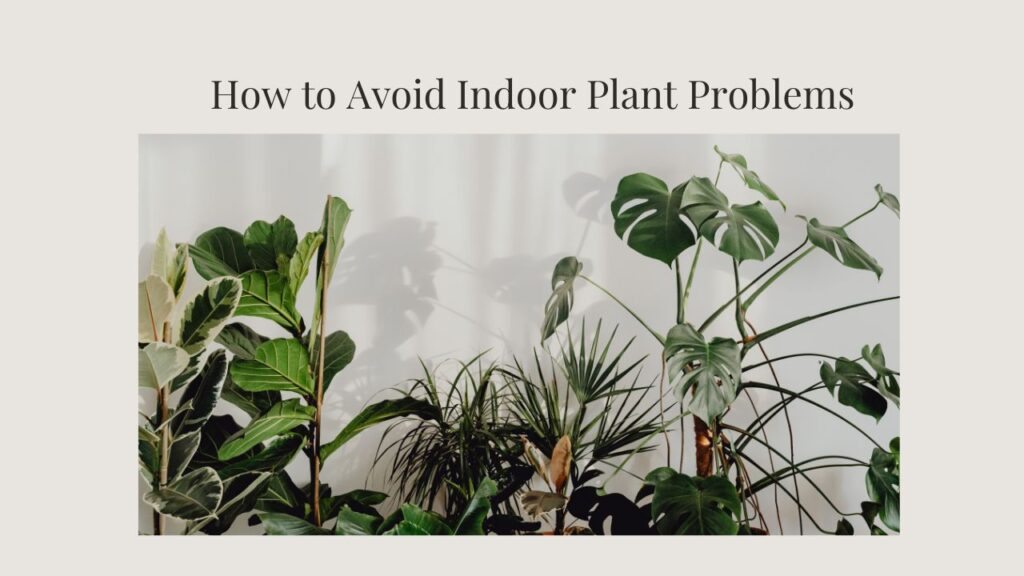
Frequent issues with houseplants can be avoided with a basic preventative program.
1. Examine the soil before applying water.
Don’t rely on a set watering schedule. Examine the growing medium and learn about each plant’s preferred level of water content.
2. Provide Sufficient Light
Find out if your plant likes bright, medium, or low indirect light. When a plant is positioned incorrectly, it may eventually experience stress.
3. Make Use of Drainage Containers
Drainage holes are crucial for plants that are sensitive to damp roots because they let extra water out.
4. Examine Plants Every Week
Look for insects or strange changes under leaves, around stems, and close to new growth.
5. Separate New Plants
The chance of introducing pests can be decreased if you bring a new houseplant home and keep it apart from your current collection for a while.
6.Clean the Leaves
Dust can build up on broad leaves. The appearance of leaves can be enhanced and pests and other issues can be more easily identified by gently washing it.
Tips for Beginners in Indoor Plant Care
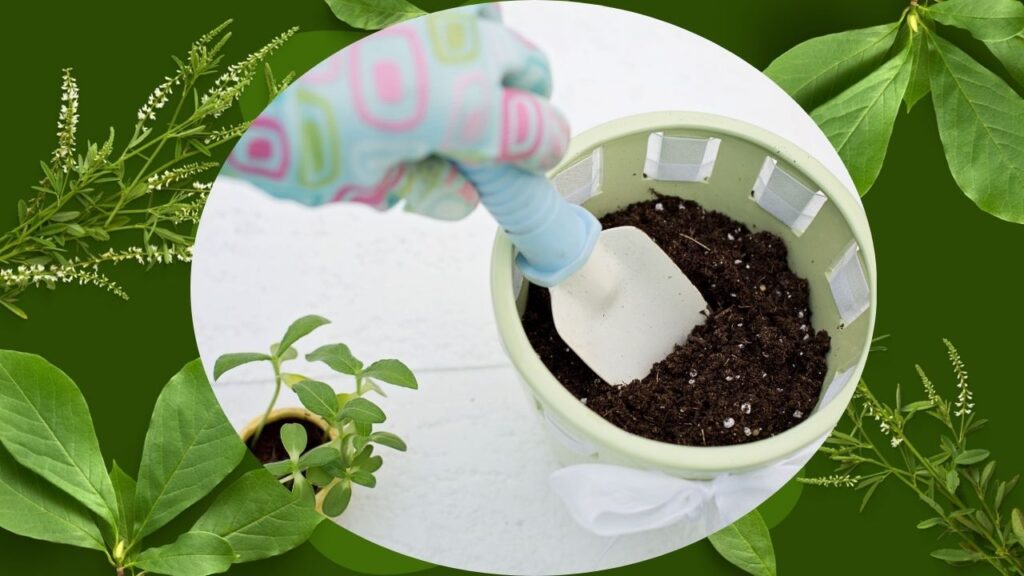
Don’t attempt to establish a complex maintenance schedule if you’re new to indoor gardening.
Begin with these easy routines:
1. Select plants that are appropriate for the light you have.
2. Use pots with holes for drainage.
3. Before watering, check the soil’s moisture content.
4. Discover each plant’s inherent requirements.
5. Don’t use too much fertilizer.
6. Avoid placing plants near strong winds.
7. Regularly check the leaves.
8. Allow plants that are under stress to recover.
Keep in mind that greater treatment isn’t always the result of more care. Excessive fertilizer, overwatering, and frequent plant movement can all lead to further stress.
Common Mistakes in Indoor Plant Care to Avoid
By avoiding a few typical mistakes, many issues with indoor plants can be avoided:
1.Watering based on a set timetable rather than inspecting the soil
2.Using drainage-hole-free containers
3. Bringing plants suddenly into the sunshine
4. Excessive fertilizer application
5. Ignoring bugs until they become a serious problem
6. Maintaining consistent moisture in potting soil
7. Repotting plants more than necessary
8. Assuming that each yellow leaf indicates that the plant needs fertilizer
Frequently Asked Questions

Which indoor plant issue is most common?
One of the most frequent concerns indoor gardeners encounter is watering. Symptoms like yellowing, wilting, and poor development can be brought on by both extended dryness and overwatering.
Why are the leaves of my indoor plants going yellow?
Excessive moisture, inadequate light, natural aging, and nutritional problems are some of the causes of yellow leaves. Before making any changes, examine the soil and general growing conditions.
How can I tell if my indoor plant is getting too much water?
Consistently moist soil, yellowing leaves, persistent wilting in spite of wet soil, and potential root damage should all be looked for. If these symptoms coexist, examine the drainage system and roots.
How can a dying indoor plant be saved?
Instead of making all the changes at once, first identify the issue. Look for insects in the leaves, light, temperature, roots, and soil moisture. Fix the most likely underlying issue and allow the plant to recover.
Why are the tips of the leaves on my indoor plant brown?
Dry air, irregular watering, fertilizer salt accumulation, or environmental stress can all be linked to brown tips. Before making any alterations, find out what the plant needs to grow.
How frequently should plants be watered indoors?
For every houseplant, there isn’t a single watering schedule that works. Plant species, pot size, soil, temperature, humidity, and light all affect how much water a plant needs. Prior to irrigation, inspect the soil.
Final Remarks
Indoor plant problems can be frustrating, particularly if you’re not sure what the plant is trying to tell you. Before acting, it is best to examine the symptoms and check into the developing problems.
While pests frequently leave obvious signs on leaves and stems, yellow leaves may indicate problems with lighting or moisture. Ignoring moist soil can lead to major issues like root rot, but early discovery can greatly facilitate recovery.
Start with a few plants that require little maintenance and become familiar with their specific requirements if you’re new to indoor gardening. Even in a little apartment, you can establish a healthy indoor garden with consistent monitoring, proper lighting, watering, drainage, and a little perseverance.