
Growing your own fresh vegetables doesn’t have to be out of the question if you live in an apartment and have a small space. You may have a flourishing vegetable garden in a small space if you have the right containers, a sunny patio or balcony, or even a bright windowsill. One of the simplest and most satisfying options for apartment residents to cultivate wholesome, organic fruit without a conventional backyard is container gardening.
Whether you’re a beginner or an experienced gardener, choosing the right vegetables is the key to success. Here are the 15 best vegetables to grow in containers for apartment living.
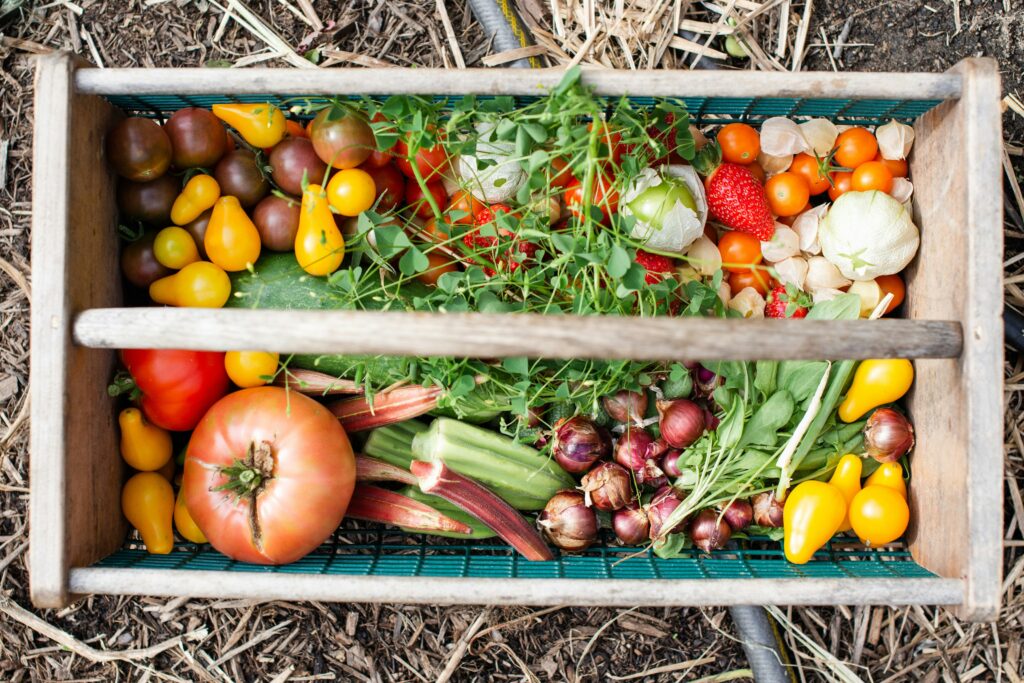
What Makes Container Gardening the Best Option for Apartments?
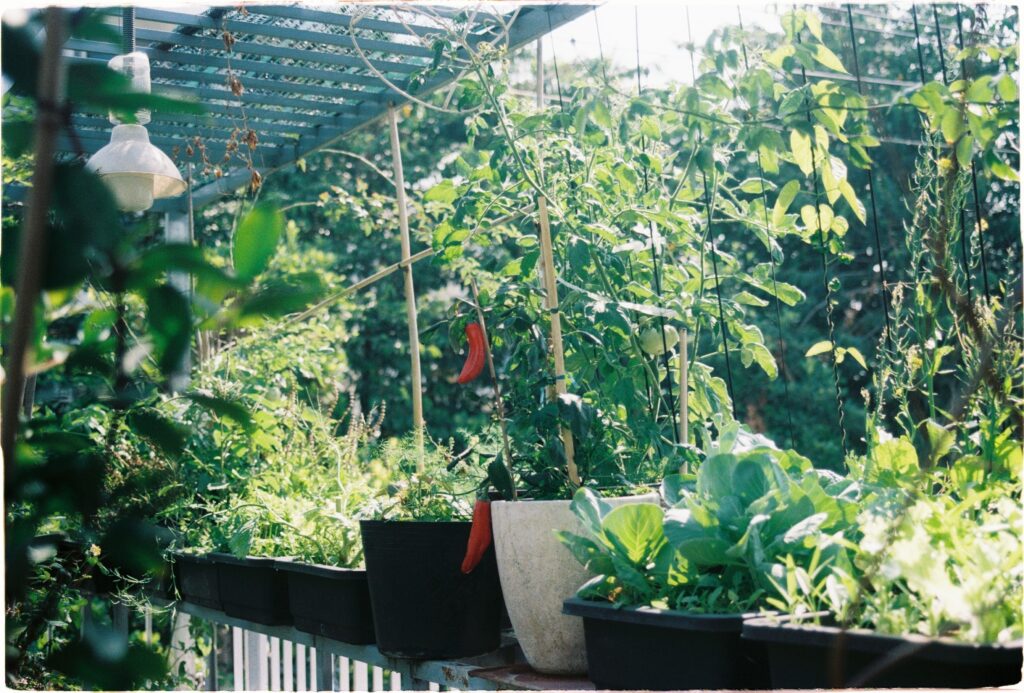
Containers are perfect for balconies and interior areas since they can be relocated to enhance sunshine exposure. It requires less room, improves soil quality control, and facilitates insect and watering operations.
Many vegetables grow well in pots and produce significant harvests throughout the growing season when given the right care.
Best Vegetables for Container Gardening
The best vegetables to grow in containers are listed in the comparison table below along with their sunlight requirements, suggested container size, growth difficulty, and average harvest time. It will assist you in selecting the appropriate veggies based on your growing experience and available area.
| Vegetable | Sunlight | Pot Size | Difficulty | Harvest Time |
|---|---|---|---|---|
| Tomatoes | 6–8 hrs | 12–18 in | Easy | 60–80 days |
| Lettuce | 4–6 hrs | 6–8 in | Very Easy | 30–45 days |
| Spinach | 4–6 hrs | 6–8 in | Easy | 35–50 days |
| Chili Peppers | 6–8 hrs | 10–12 in | Easy | 70–90 days |
| Radishes | 6 hrs | 6–8 in | Very Easy | 25–35 days |
| Green Onions | 4–6 hrs | 6–8 in | Very Easy | 30–60 days |
| Carrots | 6 hrs | 10–12 in | Moderate | 60–80 days |
| Cucumbers | 6–8 hrs | 12–18 in | Moderate | 55–70 days |
| Bush Beans | 6–8 hrs | 10–12 in | Easy | 50–60 days |
| Kale | 4–6 hrs | 8–10 in | Easy | 50–65 days |
| Eggplant | 6–8 hrs | 12–16 in | Moderate | 70–90 days |
| Peas | 4–6 hrs | 10 in | Easy | 55–70 days |
| Swiss Chard | 4–6 hrs | 8–10 in | Easy | 45–60 days |
| Garlic | 6 hrs | 10–12 in | Moderate | 7–9 months |
| Okra | 6–8 hrs | 12–16 in | Moderate | 50–65 days |
Start with tomatoes, lettuce, radishes, or green onions if you’re new to container gardening. With the right sunlight, consistent watering, and high-quality potting soil, these vegetables are easy to grow, adapt well to containers, and yield satisfying harvests.
1. Tomatoes
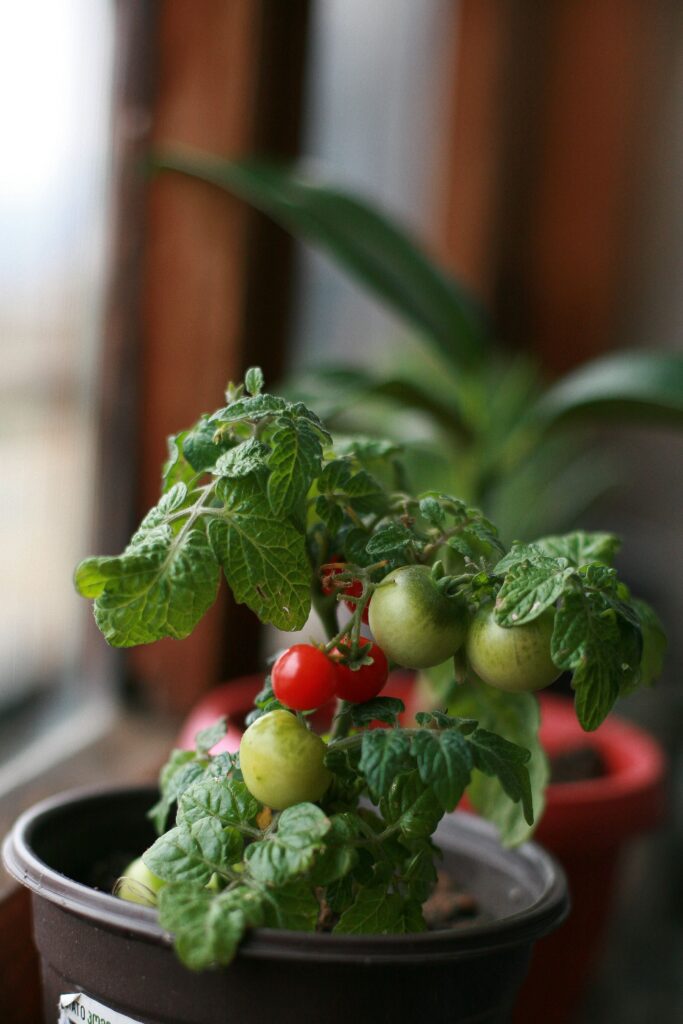
One of the most common vegetables grown in containers is tomatoes. Dwarf and cherry tomatoes grow particularly nicely in containers.
Growing Advice:
- Make use of a container that is at least 12 inches deep
.
- Set up in an area that gets six to eight hours of sunlight every day
.
- Use cages or posts to support plants.
2. Lettuce
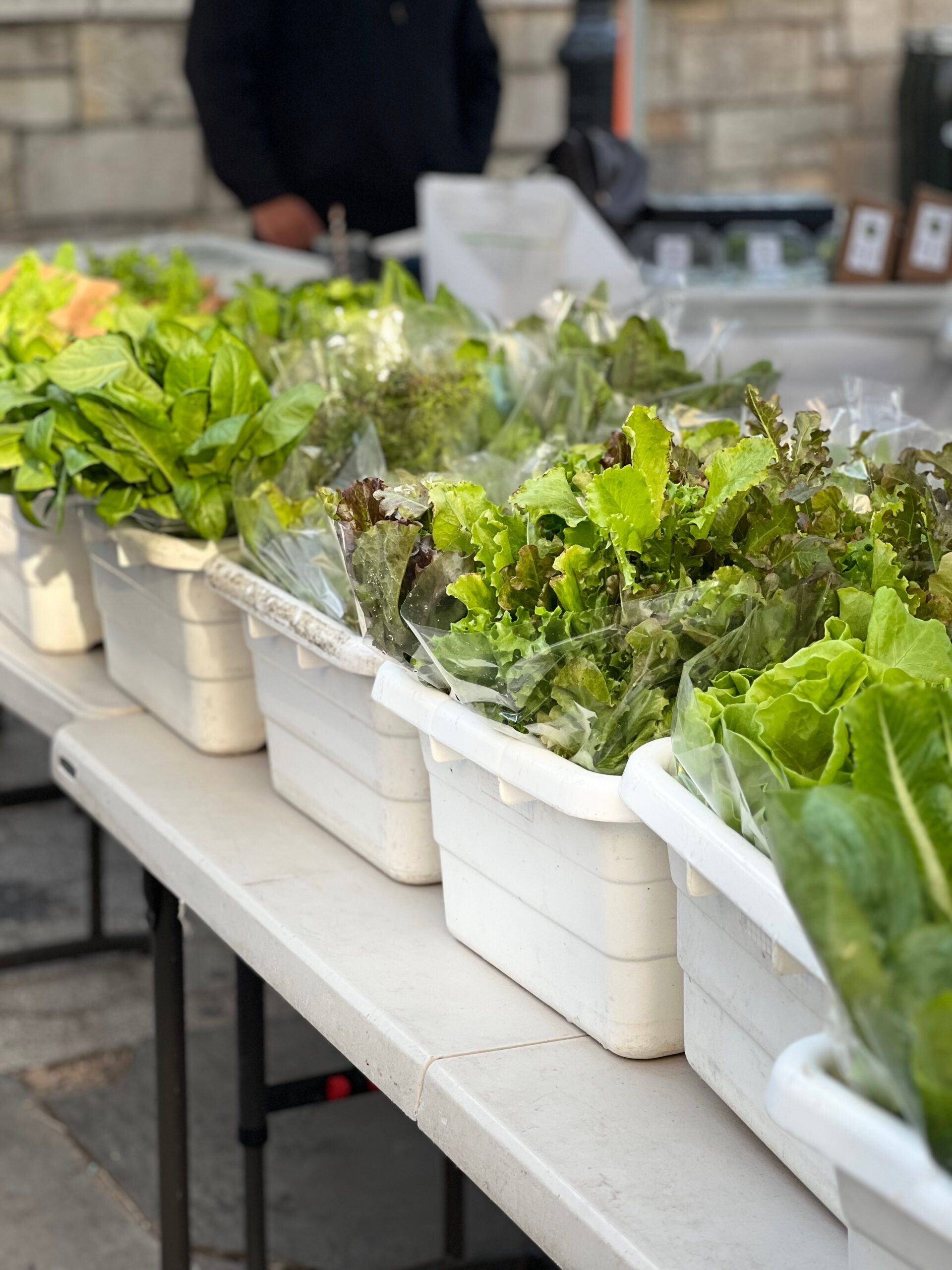
Lettuce needs relatively little space and grows quickly in containers.
Growing Advice:
- Grow in deep containers.
- Regularly harvest the outer leaves.
- Prefers partial sunlight and colder temps.
3. Spinach
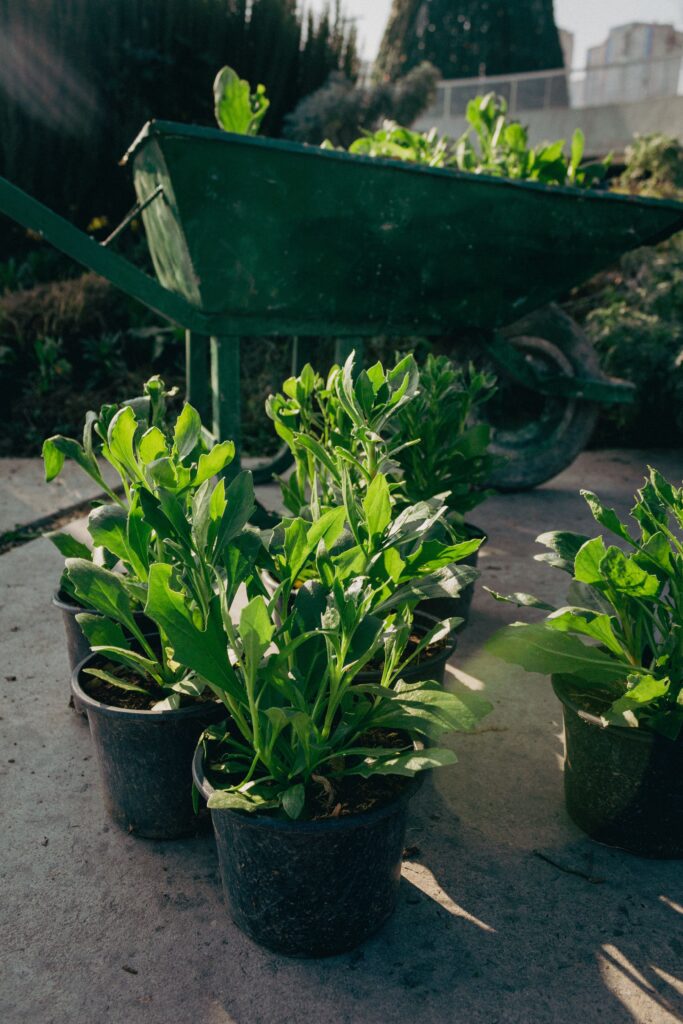
As it doesn’t need deep containers and grows quickly, spinach is perfect for apartment gardens.
Growing Advice:
- Maintain a stable moisture level in the soil.
- In hot weather, grow in partial shade.
- Continue harvesting greens to make fresh salads.
4. Chili peppers
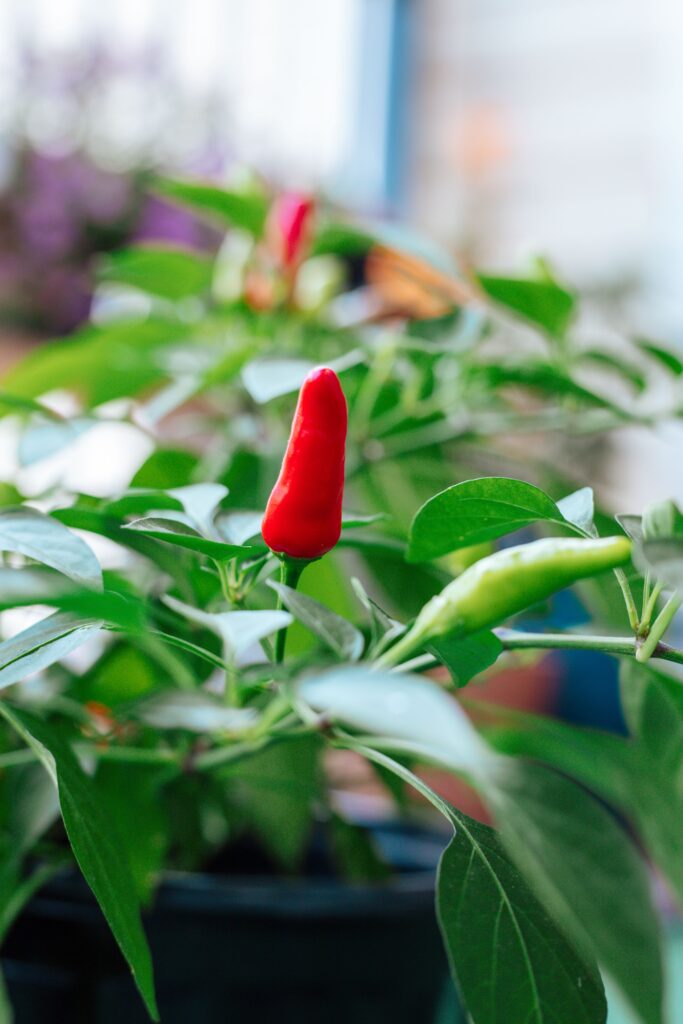
In containers, peppers are quite productive, petite, and colorful.
Growing Advice:
- Pick a spot with lots of sunlight
.
- Use a potting mix that drains properly
.
- Water frequently, but do not overwater.
5. Radishes
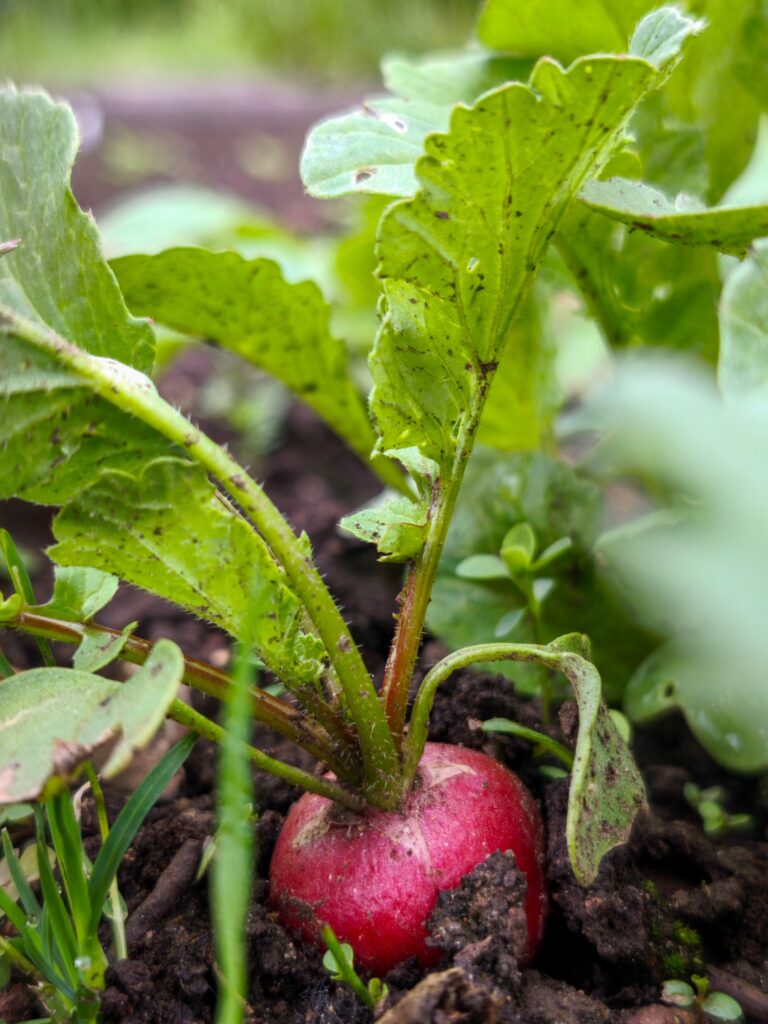
Because they grow quickly and require little care, radishes are ideal for beginners.
Growing Advice:
- Make use of containers that are at least 6 inches deep.
- After planting, harvest within three to five weeks
.
- To ensure consistent yields, plant seeds every several weeks.
6. Green Onions
One of the simplest vegetables to cultivate in small spaces is the green onion.
Growing Advice:
- Grow in shallow pots.
- Harvest frequently to encourage new growth.
- Suitable for windowsills and balconies.
7. Carrots
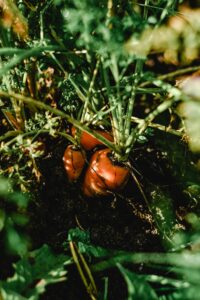
Many carrot varieties grow exceptionally well in containers.
Growing Advice
:
- To accommodate roots, use deep containers
.
- Maintain a soft, stone-free soil
.
- To avoid cracking, water frequently.
8. Cucumbers
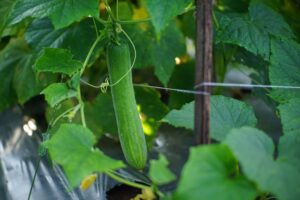
For apartment gardens, bush and compact cucumber types are great options.
Growing Advice:
- For support, provide a small trellis
.
- Make sure you get lots of sunlight
.
- Use a lot of water for growing fruit.
9. Beans
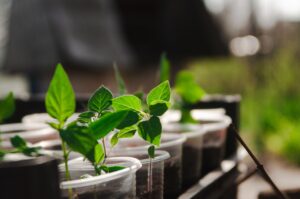
Bush beans are easy to cultivate, productive, and container-friendly.
Growing Advice:
- Instead of pole beans, select bush variety
.
- To promote more pods, harvest frequently.
- Make sure there is full sunshine.
10.Kale
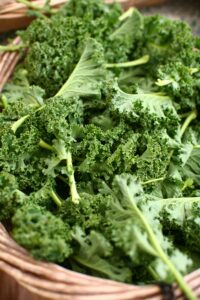
Kale is a nutrient-rich green vegetable that grows in containers for much of the year.
Growing Advice:
- First, harvest the outer leaves.
- Grow in temperatures that are moderate
.
Sustain a steady moisture level in the soil.
11. Eggplant
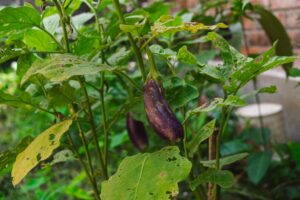
Container gardening works well with dwarf eggplant types.
Growth Advice:
- Make use of big containers
.
- Set up in a warm, sunny spot.
- When fruits are heavy, support branches.
12. Peas
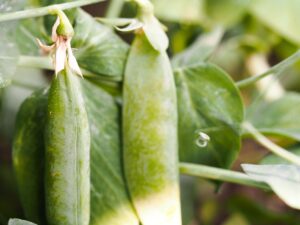
In colder months, peas can be efficiently cultivated in containers.
Growth Advice:
- Offer a small trellis
.
- Plant in the autumn or early spring.
.
- To ensure continual production, harvest frequently.
13. Swiss Chard
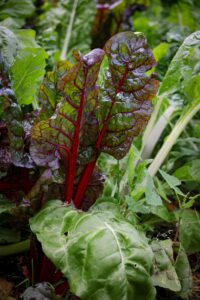
Swiss chard is visually appealing, fruitful, and simple to care for.
Growth Advice:
- Use medium-sized containers to grow.
- Continue harvesting leaves.
- Can tolerate partial shade.
14. Garlic
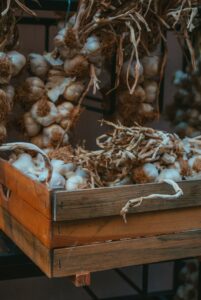
Garlic grows surprisingly well in containers, although it does require patience.
Growing Advice:
- In the fall, plant individual cloves.
- Make use of deep containers.
- Give bulbs a few months to mature.
15. Okra
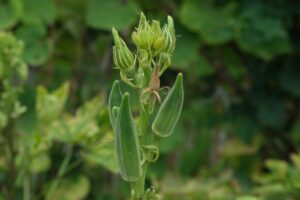
Okra is a fantastic choice for gardeners in warm climes,
Growing Advice:
- Select big containers.
- Make sure there is full sunshine
.
- When pods are young and soft, harvest them.
Important Tips for the Best Vegetables to Grow in Containers
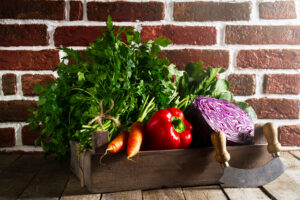
Select the Appropriate Containers
To avoid root rot, choose containers with drainage holes. Bigger containers promote healthier root systems and improved moisture retention.
Make use of high-quality potting mix
Don’t use ordinary garden soil. For vegetables grown in containers, a premium potting mix offers superior nutrition and drainage.
Water Regularly
Compared to garden beds, container plants dry out more quickly. Regularly check the moisture content, particularly in warmer weather.
Give Enough Sunlight
The majority of veggies need six hours or more of direct sunlight every day. Balconies facing south are frequently the best places.
Feed Your Plants
Regular fertilizing is beneficial for container-grown vegetables. Throughout the growing season, apply an organic fertilizer that is balanced.
Concluding Remarks
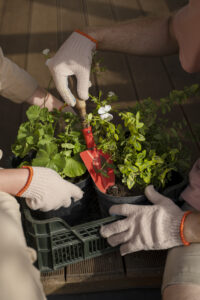
Even if you live in a small apartment or flat growing veggies in containers is a useful and satisfying way to enjoy fresh produce. Many crops, like lettuce, carrots, tomatoes, and peppers, grow well in pots and take up very little space.
You can turn a balcony, patio, or sunny spot into a fruitful little garden by choosing the correct crops, using high-quality containers, and giving them the right care. As your confidence builds, start with a few simple vegetables and grow more in your container garden. You will soon be gathering fresh vegetables from your apartment and living space , if you are persistent and patient.
Frequently Asked Questions (FAQs)
- What vegetables grow best in containers?
Some of the easiest vegetables to grow in containers include lettuce, radishes, green onions, spinach, tomatoes, and chili peppers. These vegetables require minimal maintenance and adapt well to small spaces.
- Can I grow vegetables in an apartment balcony?
Yes, many vegetables thrive on apartment balconies. Tomatoes, peppers, cucumbers, lettuce, and beans grow successfully in containers as long as they receive adequate sunlight and regular watering.
- How much sunlight do container vegetables need?
The majority of veggies require six to eight hours of direct sunlight each day. While fruiting crops like tomatoes and peppers need full sun, leafy greens like lettuce and spinach may withstand some shadow.
- What is the ideal container size for vegetable growing?
The veggie affects the ideal container size. While tomatoes, cucumbers, and eggplants require larger containers that are at least 12 to 18 inches deep, leafy greens can be grown in small pots.
- What is the best soil for container vegetable gardening?
A high-quality potting mix is best for container gardening. It provides proper drainage, aeration, and nutrients needed for healthy vegetable growth.
- How frequently should I water containers of vegetables?
Vegetables planted in containers typically need to be watered more frequently than those grown in gardens. Depending on the size of the container and the type of plant, you might need to water every day during warm weather.
- Which vegetables grow fastest in containers?
Radishes, lettuce, spinach, green onions, and bush beans are among the fastest-growing vegetables for small space container gardens. Some can be harvested within a few weeks of planting.
- Can I grow vegetables indoors in an apartment?
Yes, vegetables such as lettuce, spinach, green onions, herbs, and some compact tomato varieties can be grown indoors if they receive enough natural light or supplemental grow lights.
- What vegetables are best for small-space gardening?
Tomatoes, peppers, lettuce, spinach, radishes, carrots, and herbs are excellent choices for small-space gardening because they produce well in containers and limited areas.
- Is container gardening suitable for apartment living?
Yes, why not , One of the most useful gardening techniques for people who live in apartments is container gardening. It eliminates the need for a typical garden and lets you grow fresh flowers, veggies, and herbs on patios, balconies, and even bright inside places.